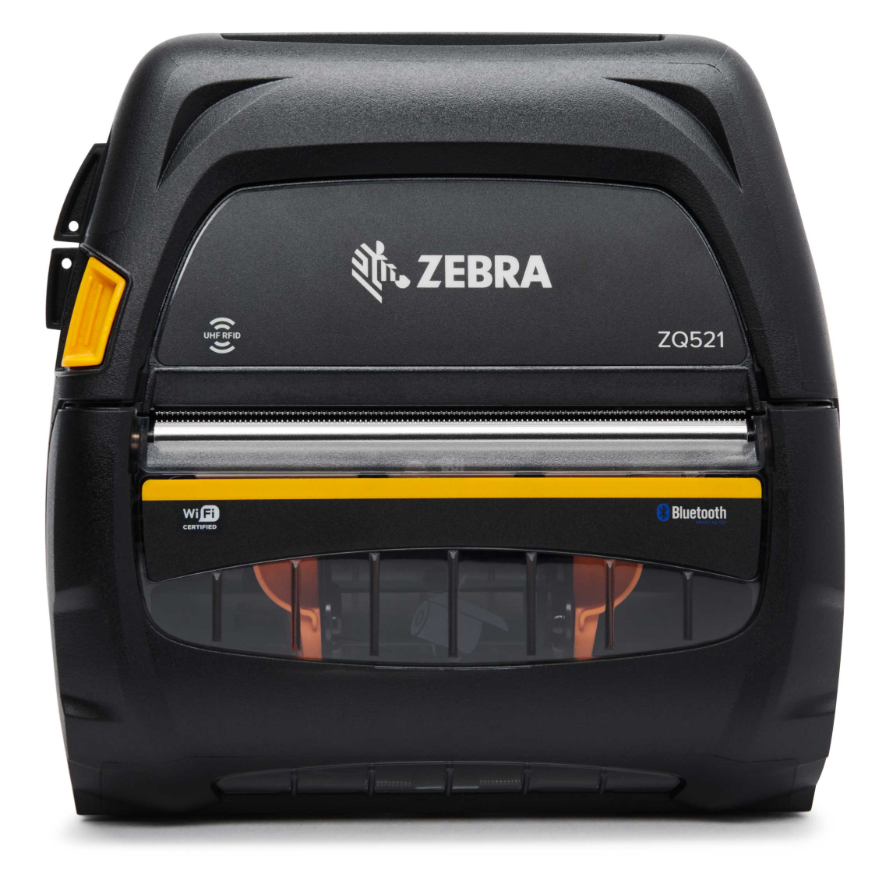
Why DPI Matters: The Direct Link Between Label Printer Resolution and Barcode Scannability300 dpi vs. 600 dpi Thermal Printheads: Physics of Dot Placement for Sub-2mm BarcodesA thermal label printer constructs a barcode by fusing discrete dots onto t...
VIEW MORE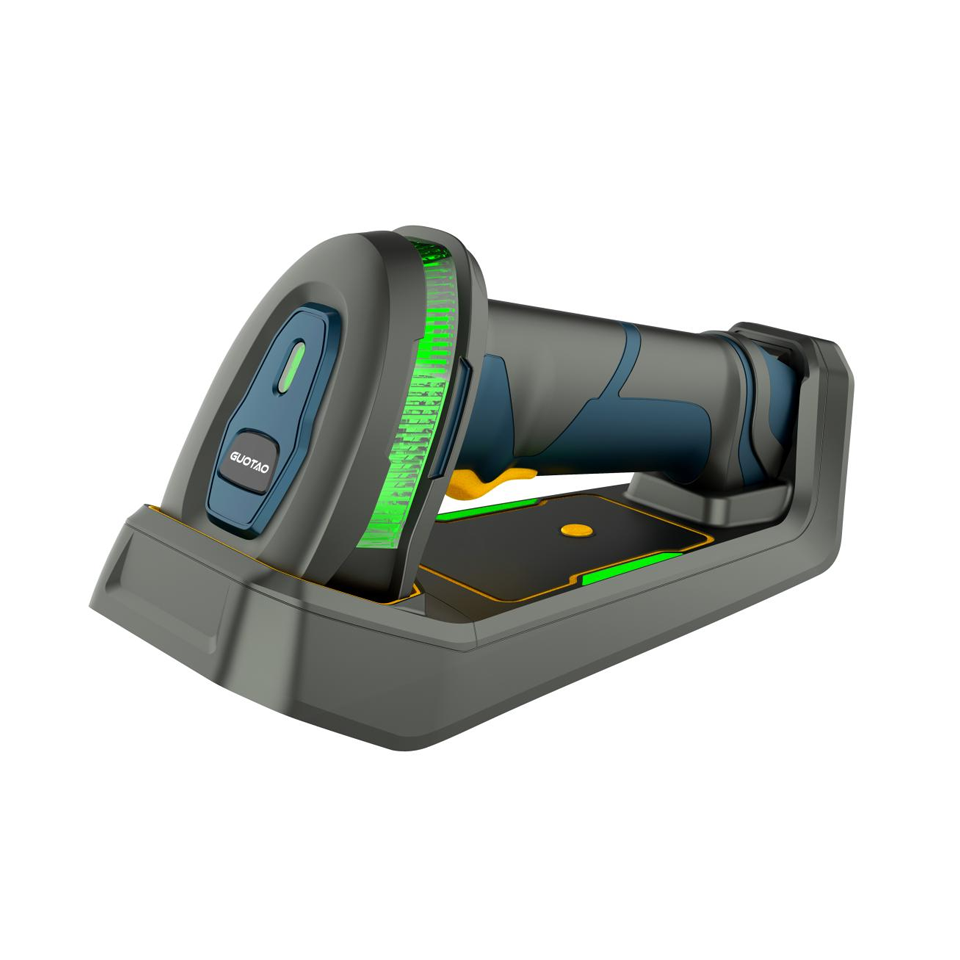
Retail-Optimized Barcode Scanner Solutions for High-Speed CheckoutRugged, Ergonomic Hardware Designed for Peak Retail ThroughputRetail checkout speed hinges on hardware built for endurance and ease of use. Modern scanners for high-traffic environment...
VIEW MORE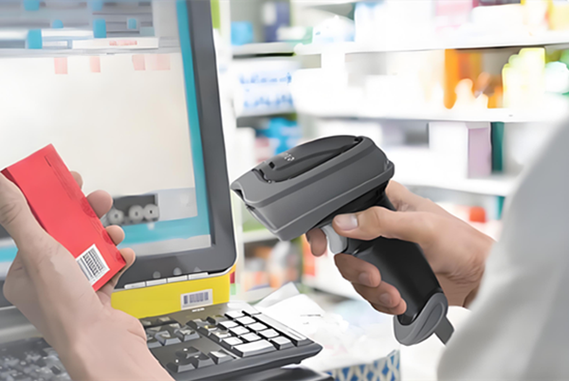
The Inventory Accuracy Crisis and Why Barcode Technology Is the Foundational Fix Manual inventory management remains a persistent source of costly errors in retail. Each misplaced item, mistyped quantity, or overlooked SKU compounds into stock disc...
VIEW MORE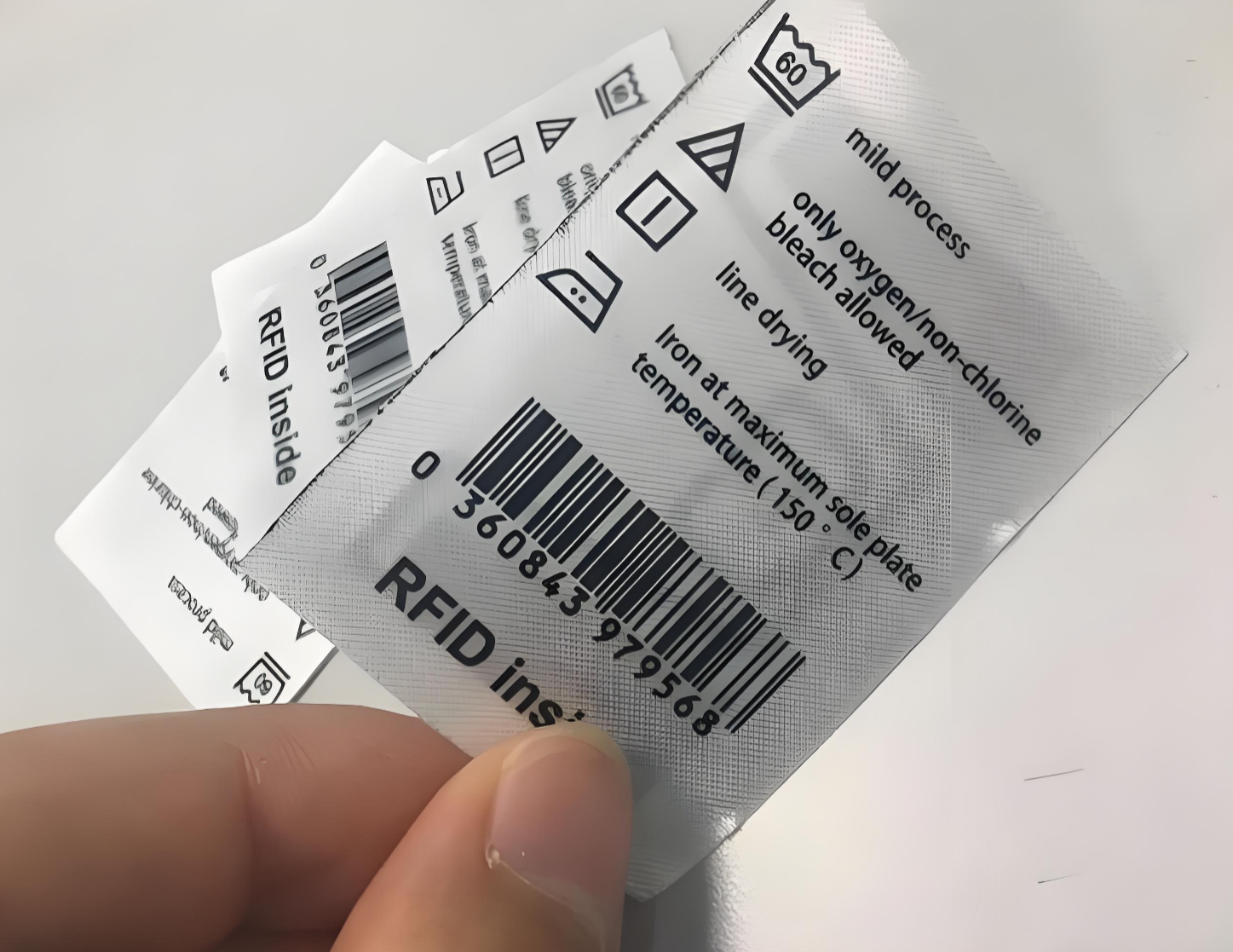
Scalable UHF RFID Architecture for High-Volume, Multi-SKU WarehousesA scalable UHF RFID system is essential for warehouses handling large volumes and thousands of distinct SKUs. It must support bulk scanning without requiring line-of-sight, enabling ...
VIEW MORE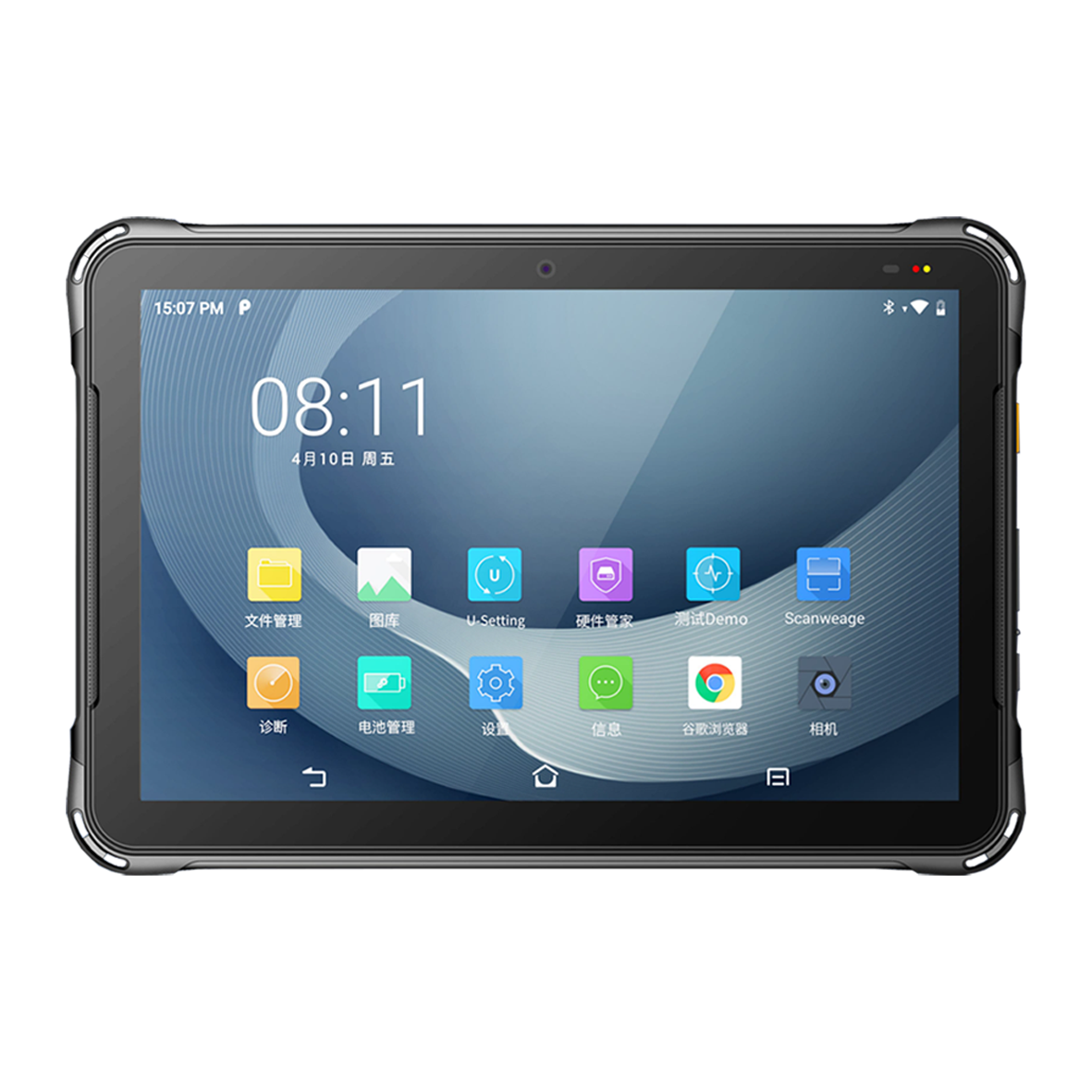
Rugged PDA Durability: Built for Warehouse and Field RealitiesIP68 and MIL-STD-810H Certification: Surviving Drops, Dust, Moisture, and Extreme TemperaturesRugged PDAs are engineered to operate reliably in the harshest logistics environments—from sub...
VIEW MORE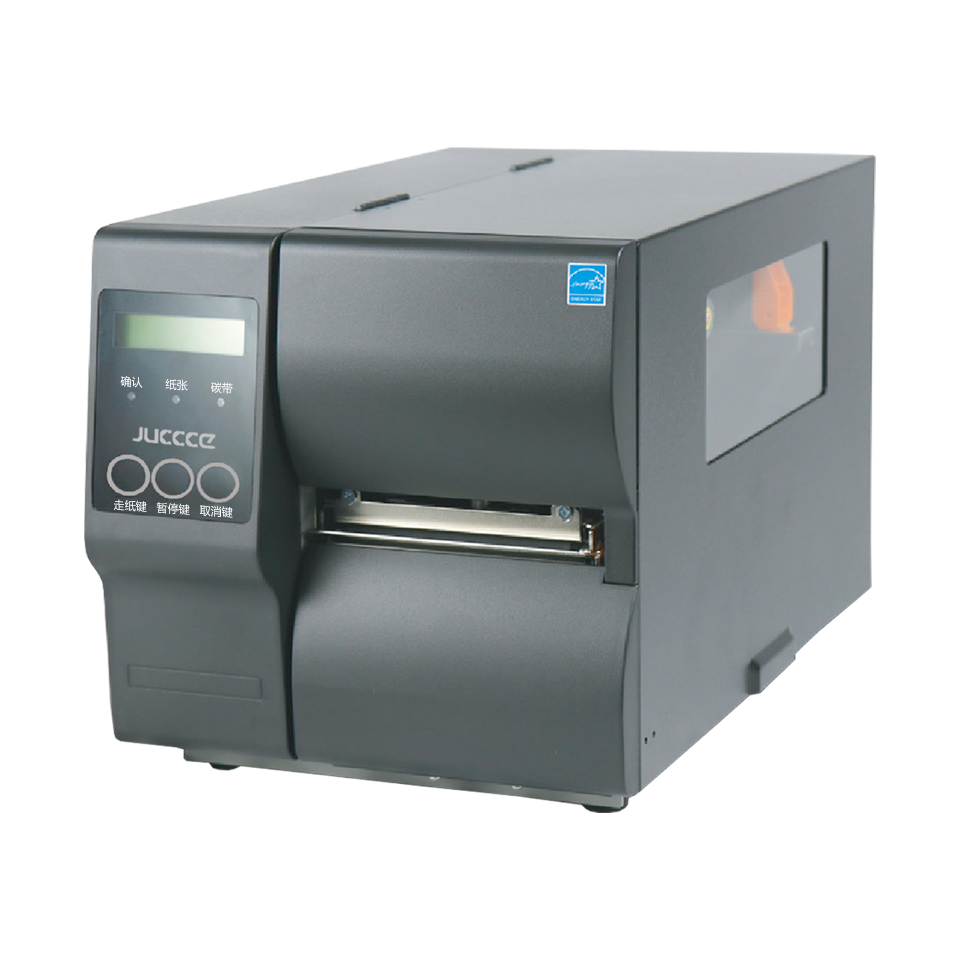
Why Retail Chains Need Dedicated Thermal Transfer Label Printers Modern retail environments require thermal-transfer label printers engineered for mass rollout, high-volume output, and seamless integration into multi-store workflows. Poor supply ch...
VIEW MORE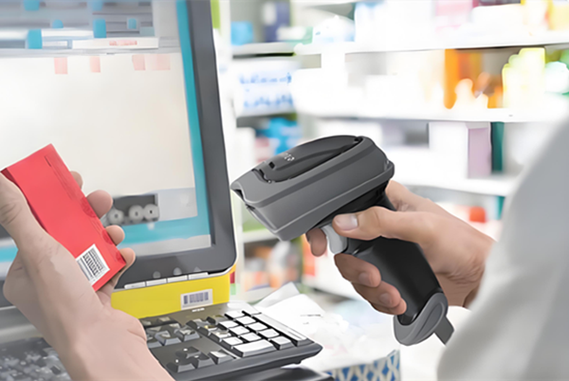
Environmental Durability: Key Industrial Barcode Scanner Requirements for Warehouse Conditions Warehouse environments push barcode scanning equipment to its physical limits. Operators cannot afford scanner failures during high-volume operations, wher...
VIEW MORE
Barcode Quality and Symbology: The Foundation of Reliable ScanningPrint contrast, quiet zone integrity, and common degradation causes (smudging, fading, creasing)High print contrast between bars and spaces is essential for accurate decoding—scanners ...
VIEW MORE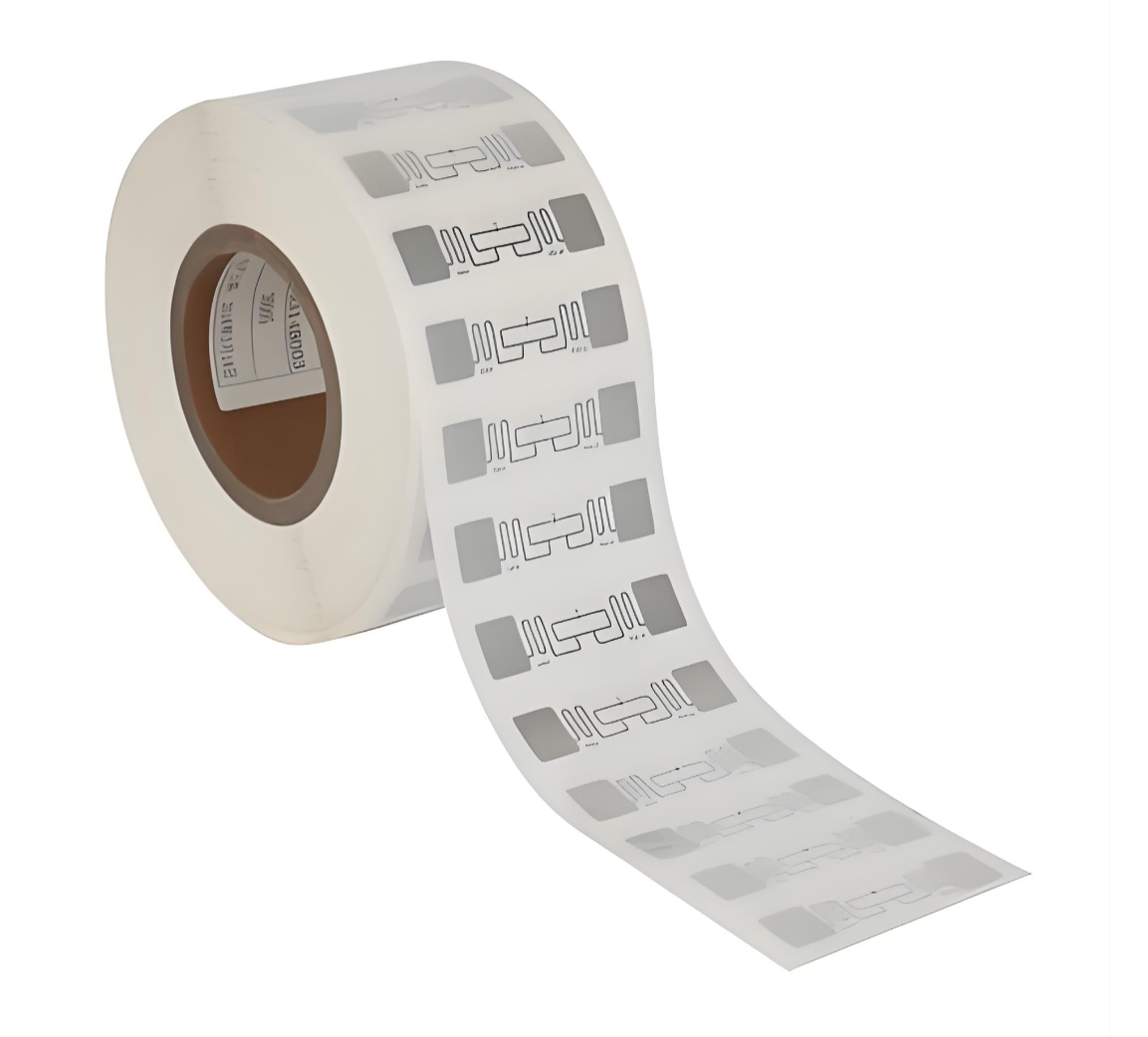
RFID Enables Real-Time, Line-of-Sight-Free Inventory VisibilityHow electromagnetic coupling allows bulk, contactless reads—eliminating barcode scanning bottlenecksRFID (Radio Frequency Identification) uses electromagnetic fields to automatically iden...
VIEW MORE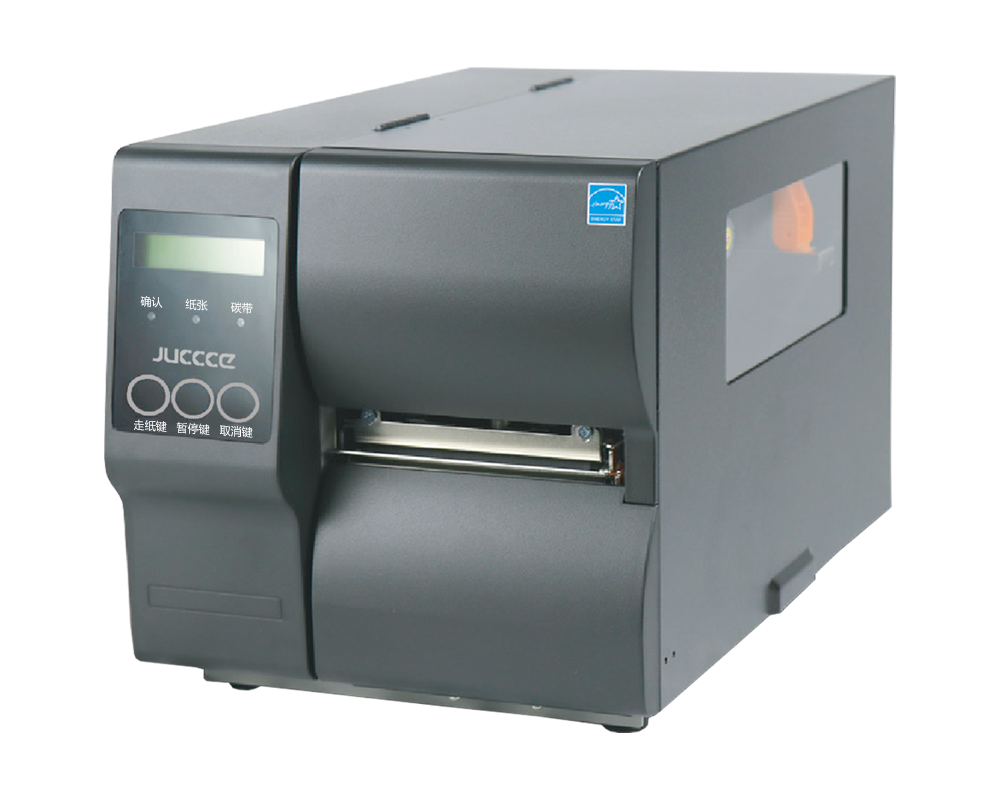
Understanding Label Printer Technology and Consumable CompatibilityDirect Thermal vs. Thermal Transfer: How Your Label Printer Determines Consumable RequirementsA label printer’s core technology dictates its consumable compatibility—not as a suggesti...
VIEW MORE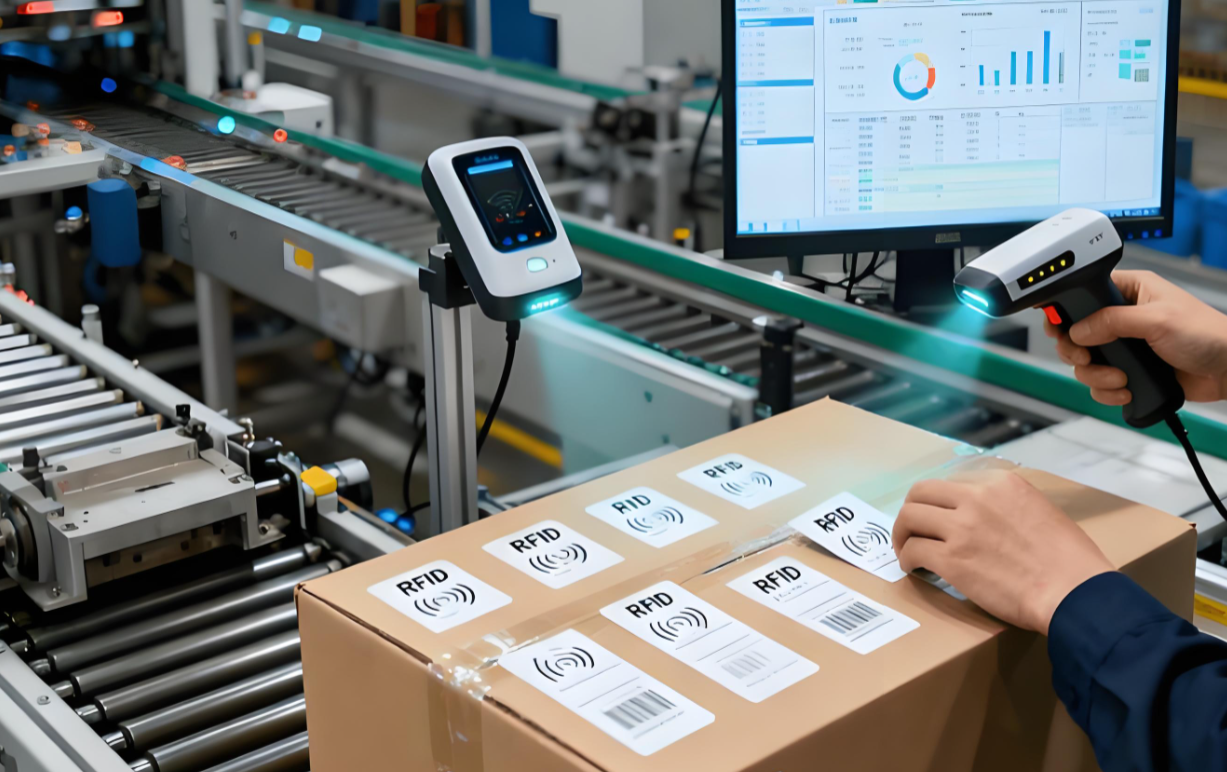
Clean and Protect the Printhead to Prevent Thermal DegradationWhy printhead clogging and overheating cause 60% of premature label printer failuresPrinthead issues account for over half of premature label printer breakdowns. Clogging occurs when dust,...
VIEW MORE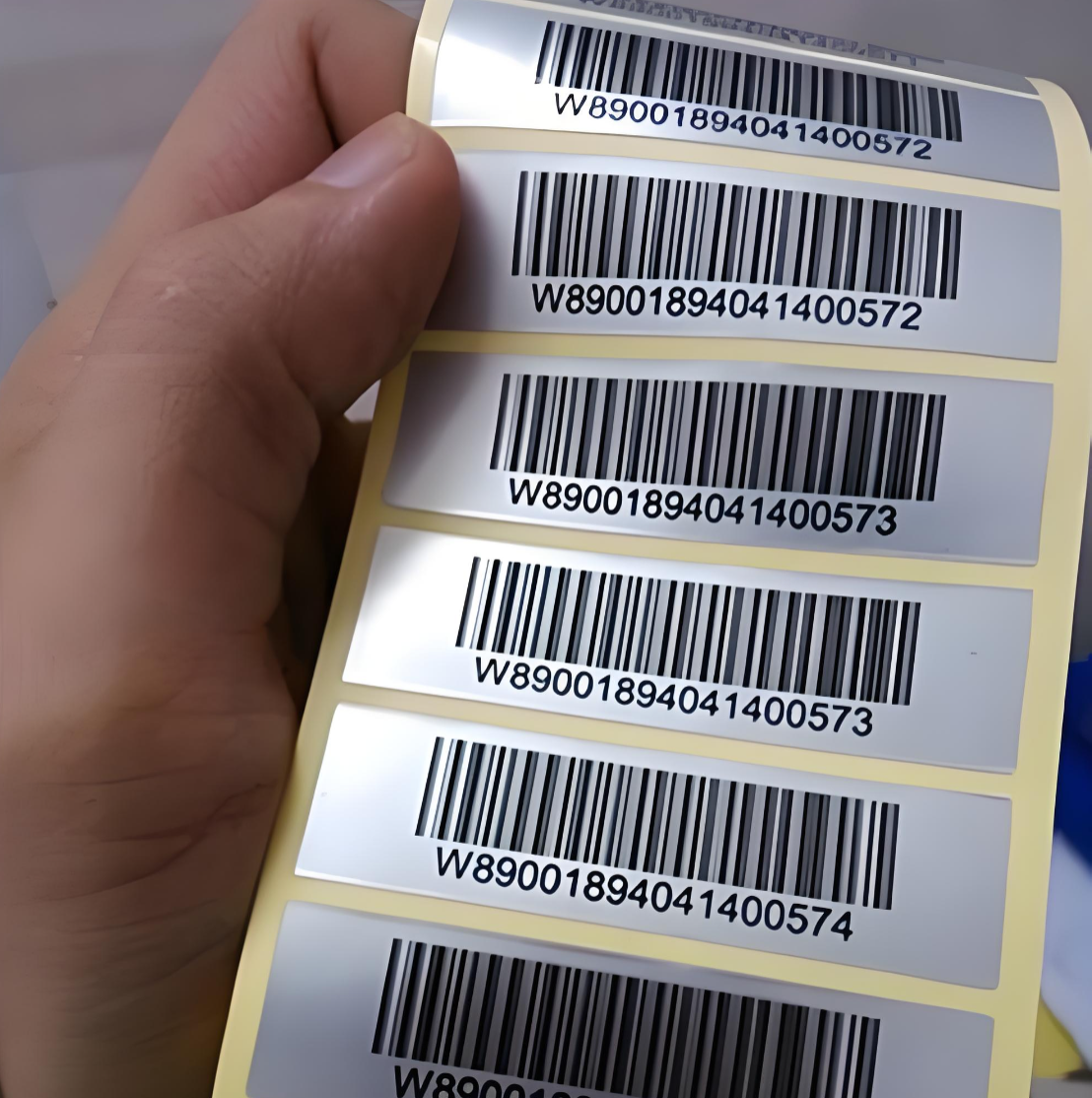
Core Material Properties That Ensure Long-Term Scanning Reliability in WarehousesPolycarbonate, Magnesium Alloy, and Reinforced ABS: Strength, Weight, and Thermal Stability TradeoffsSelecting the right housing material directly affects a barcode scan...
VIEW MORE
Founded in 2003, JUCCCE Intelligent Technology has been focusing on hardware and software solutions in the field of barcode, RFID, machine vision, mechanical intelligence and automation, etc, with more than 22 years of experience in the industry.
No.26, Liando U Valley, Lane 777, Qingfeng Road, Cicheng Town, Jiangbei District, Ningbo, Zhejiang.
Copyright © 2026 by Ningbo Juccce Intelligent Technology Co., Ltd. Privacy Policy
 EN
EN