
 EN
EN
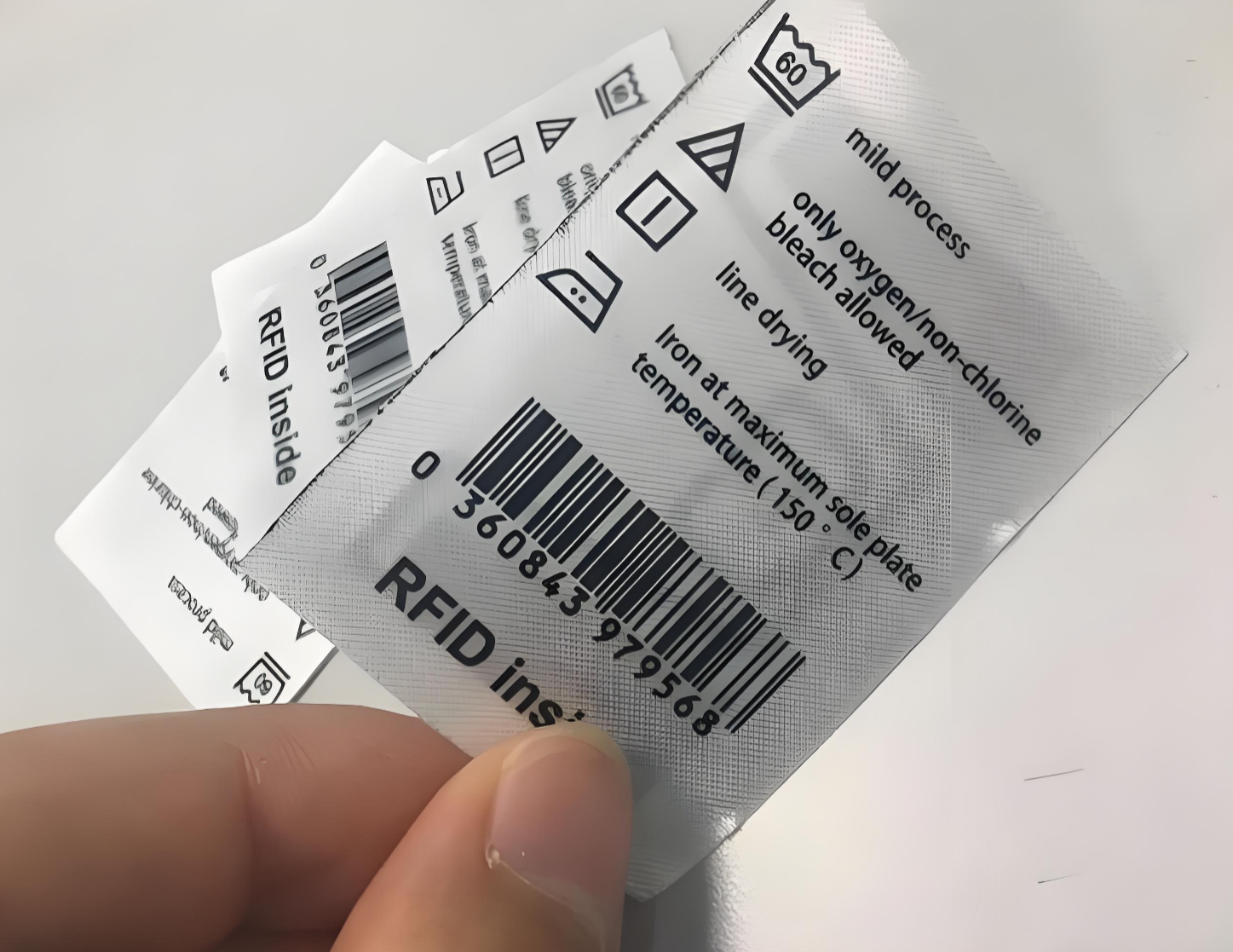
Scalable UHF RFID Architecture for High-Volume, Multi-SKU Warehouses
A scalable UHF RFID system is essential for warehouses handling large volumes and thousands of distinct SKUs. It must support bulk scanning without requiring line-of-sight, enabling automated data capture across the entire facility. The architecture balances reader placement, antenna configuration, and tag protocol settings to deliver consistent read rates in dynamic environments.
Bulk Reading Performance and Tag Collision Mitigation at Scale
When hundreds of tags are read simultaneously, signal collisions can reduce data accuracy. Advanced anti-collision algorithms—such as Q protocol adjustments in ISO/IEC 18000-63 (Gen2) UHF RFID—enable readers to identify tags in rapid succession. By tuning inventory round count and slot allocation, warehouses achieve read rates exceeding 95% even in dense tag zones. For example, a fixed reader positioned over a conveyor belt can process 500+ tags per second, cutting physical counting time by up to 80%. To maintain performance under high traffic, the system automatically adjusts transmission power and uses frequency hopping to avoid interference from nearby equipment.
Tag Density Optimization Across Pallets, Cases, and Individual Items
Tag placement and density directly affect read reliability. On pallets, tags should be attached to the outermost layer and oriented toward the reader’s antenna beam. For cases, mounting tags on the shortest side reduces shadowing from adjacent items. When tracking individual items, the tag antenna must be chosen based on the product’s material: anti-metal tags for metallic surfaces and flexible, thin tags for soft goods. A minimum spacing of 10 cm between tags prevents mutual detuning. By layering tags at pallet, case, and item levels, the system enables granular inventory visibility without sacrificing read speed—supporting batch tracking, expiration management, and real-time location updates across multi-SKU environments.
Warehouse-Optimized UHF RFID Hardware Selection and Environmental Adaptation
Fixed vs. Mobile Readers: Coverage, Power Efficiency, and Total Cost of Ownership
When choosing between fixed and mobile UHF RFID readers, warehouse managers must balance coverage, power efficiency, and long-term costs. Fixed readers—typically installed at dock doors, conveyor junctions, or rack aisles—offer continuous, automated tag capture over a defined zone. They excel in high-volume throughput areas but require upfront infrastructure investment and ongoing power consumption. Mobile handheld readers, by contrast, provide flexible coverage across the entire facility, making them ideal for cycle counting, exception handling, and low-density zones. Their lower initial cost and battery-powered operation reduce energy expenses, but they demand labor for manual scanning. The table below summarizes key trade-offs:
| Aspect | Fixed Reader | Mobile Reader |
|---|---|---|
| Coverage | Continuous, zone-based (up to 10 m with high-gain antenna) | On-demand, operator-driven |
| Power Efficiency | Mains-powered, 24/7 operation | Battery-powered, limited runtime (8–12 h) |
| Total Cost of Ownership | Higher hardware + installation, lower labor | Lower hardware, higher labor per scan |
| Best Use Case | Automated receiving/shipping gates, conveyor lines | Inventory audits, picking verification, ad-hoc scans |
Anti-Metal Tags and Shielded Antennas for Metallic Racking, Conveyors, and Pallets
Metal and liquid-filled environments severely degrade standard UHF RFID performance due to signal detuning and reflection. To maintain reliable reads near metallic surfaces, specially engineered hardware is essential:
- Anti-metal tags incorporate a dielectric spacer or ferrite layer that isolates the tag antenna from the metal surface. These tags are mounted directly on metal pallets, rack beams, or conveyor frames, achieving read ranges comparable to standard tags in free air (3–6 m).
- Shielded antennas use directional patterns and ground planes to minimize radiation back toward metal structures, reducing false positives and interference. They are typically deployed in narrow aisles or near steel shelving to focus energy on passing tags.
Selecting the correct tag form factor (e.g., rigid mount for permanent fixtures, flexible for reusable containers) and antenna beamwidth (narrow for long corridors, wide for dock doors) ensures stable performance without repositioning readers. Testing a small sample of tags on actual warehouse surfaces before full deployment avoids costly rework and helps sustain inventory accuracy of 99% or higher.
End-to-End UHF RFID Workflow Automation: Inbound, Storage, and Outbound Operations
Gate-Level RFID Capture with Real-Time WMS Integration for Receiving and Shipping
Fixed UHF RFID readers installed at facility entry and exit points enable automated inbound receiving. As pallets or cases pass through the gate, tags are read instantly—logging items into the warehouse management system (WMS) the moment they arrive and eliminating manual scanning. This integration reduces human error and accelerates receiving workflows. For outbound operations, the system automatically verifies shipments against order data, confirming goods without opening containers or performing manual checks. Real-time WMS updates ensure every transfer is recorded, preventing misrouting and improving order accuracy.
Operational Readiness: Mitigating Interference, Ensuring UHF RFID System Reliability, and Enabling Workforce Adoption
Achieving operational readiness in a large-scale warehouse requires deliberate planning around three pillars: interference control, system reliability, and workforce adoption. UHF RFID signals are vulnerable to disruption from metal racking, liquid-filled containers, and nearby electronic equipment. To mitigate these issues, use UHF tags rated for metal and liquid environments, and position antennas away from reflective surfaces and machinery. A phased pilot deployment—often completed within a few weeks—allows teams to identify and correct interference zones before full rollout.
Environmental wear also affects reliability. Readers and tags must withstand dust, temperature fluctuations, and physical impact common in busy warehouses. Selecting hardware with an appropriate IP rating (e.g., IP65 or higher for fixed readers) and using shielded cables for antenna runs ensures consistent read rates. Beyond hardware, the workforce must embrace the new workflows. Resistance commonly arises when employees perceive RFID as a threat to their roles. Clear communication about how automation reduces repetitive manual counts and picking errors—combined with hands-on training sessions—converts skepticism into ownership. Most RFID projects recoup investment within 6 to 24 months through improved inventory accuracy and faster order fulfillment, making upfront attention to these readiness factors a profitable investment.
FAQ
Why is UHF RFID crucial for high-volume warehouses?
UHF RFID supports bulk scanning without line-of-sight, automates data capture, and significantly improves efficiency by reducing manual processes.
How does a UHF RFID system handle tag collisions?
Advanced anti-collision algorithms, such as Q protocol adjustments, help identify tags rapidly and accurately, minimizing signal collisions in dense tag environments.
What factors affect tag placement and density in a warehouse?
Tag location on pallets, cases, and individual items, as well as avoiding mutual detuning with minimum spacing, improves read reliability. Material-appropriate tags also play a role.
How should warehouses choose between fixed and mobile RFID readers?
Warehouses should consider coverage area, power efficiency, hardware costs, and labor needs. Fixed readers are ideal for high-volume zones, while mobile readers suit flexible, operator-driven tasks.
How can interference with UHF RFID signals be mitigated?
Using anti-metal tags, placing antennas strategically, and conducting phased deployments can address signal disruptions due to metal, liquids, or machinery.
Table of Contents
- Scalable UHF RFID Architecture for High-Volume, Multi-SKU Warehouses
- Warehouse-Optimized UHF RFID Hardware Selection and Environmental Adaptation
- End-to-End UHF RFID Workflow Automation: Inbound, Storage, and Outbound Operations
- Operational Readiness: Mitigating Interference, Ensuring UHF RFID System Reliability, and Enabling Workforce Adoption
- FAQ