Page Introduction
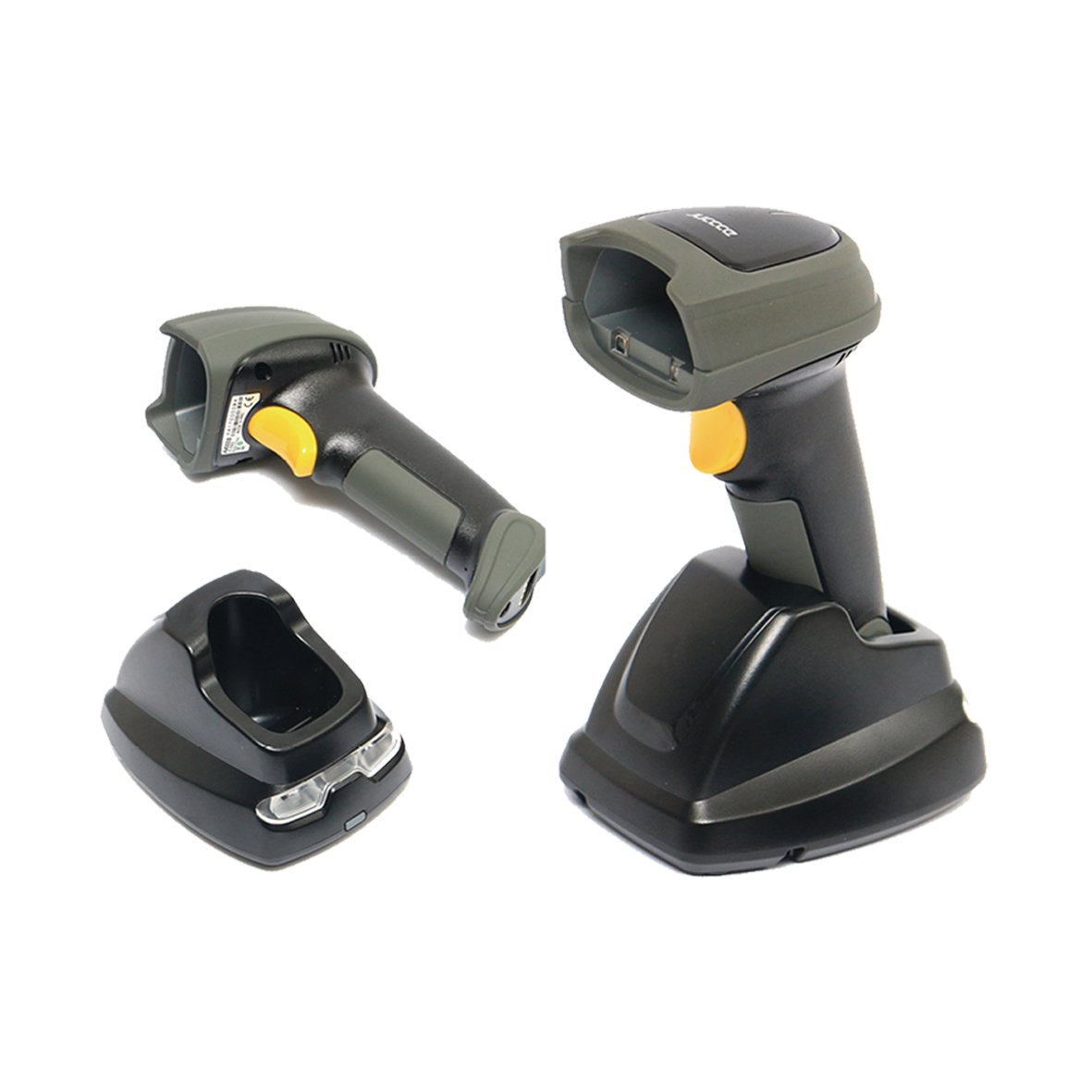
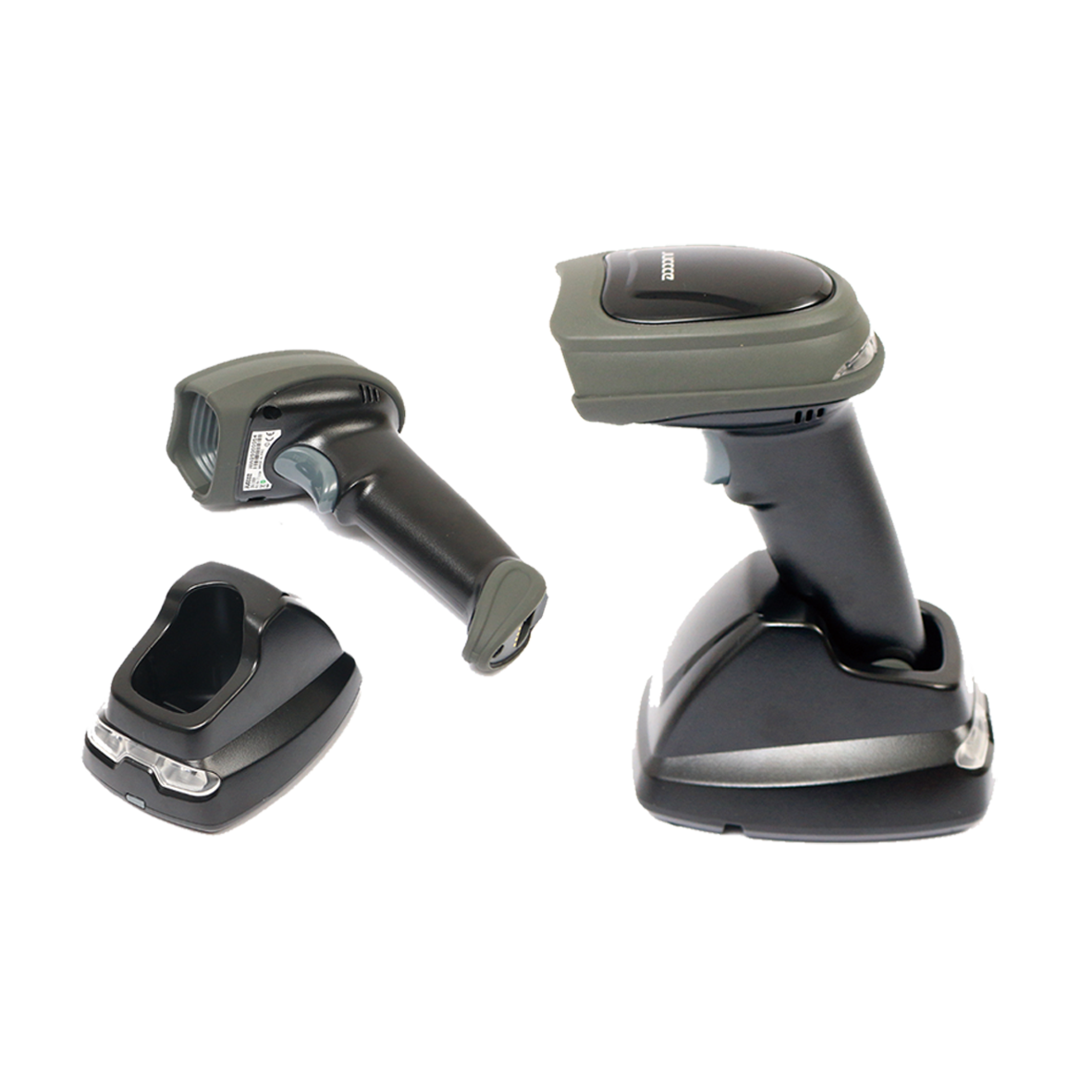
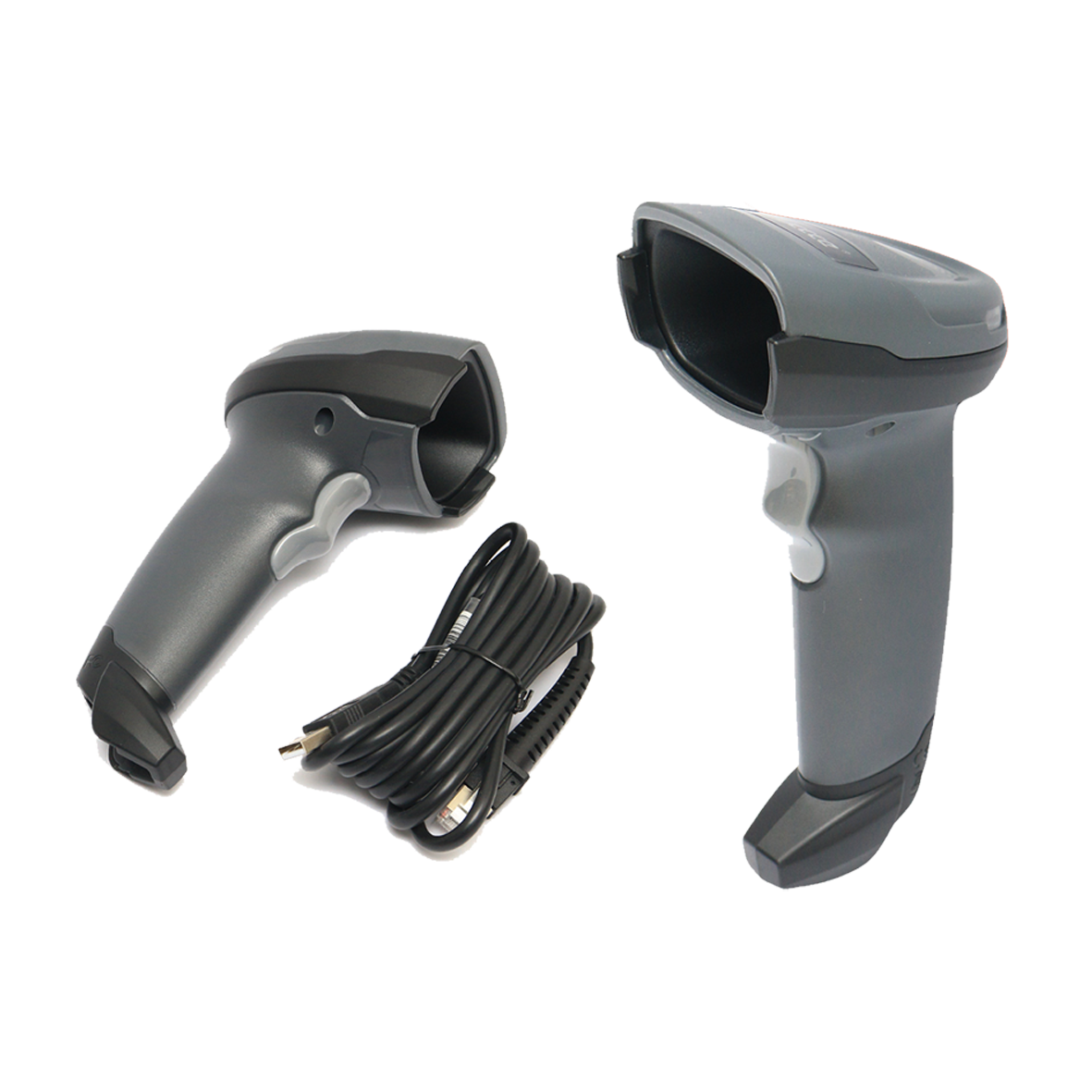
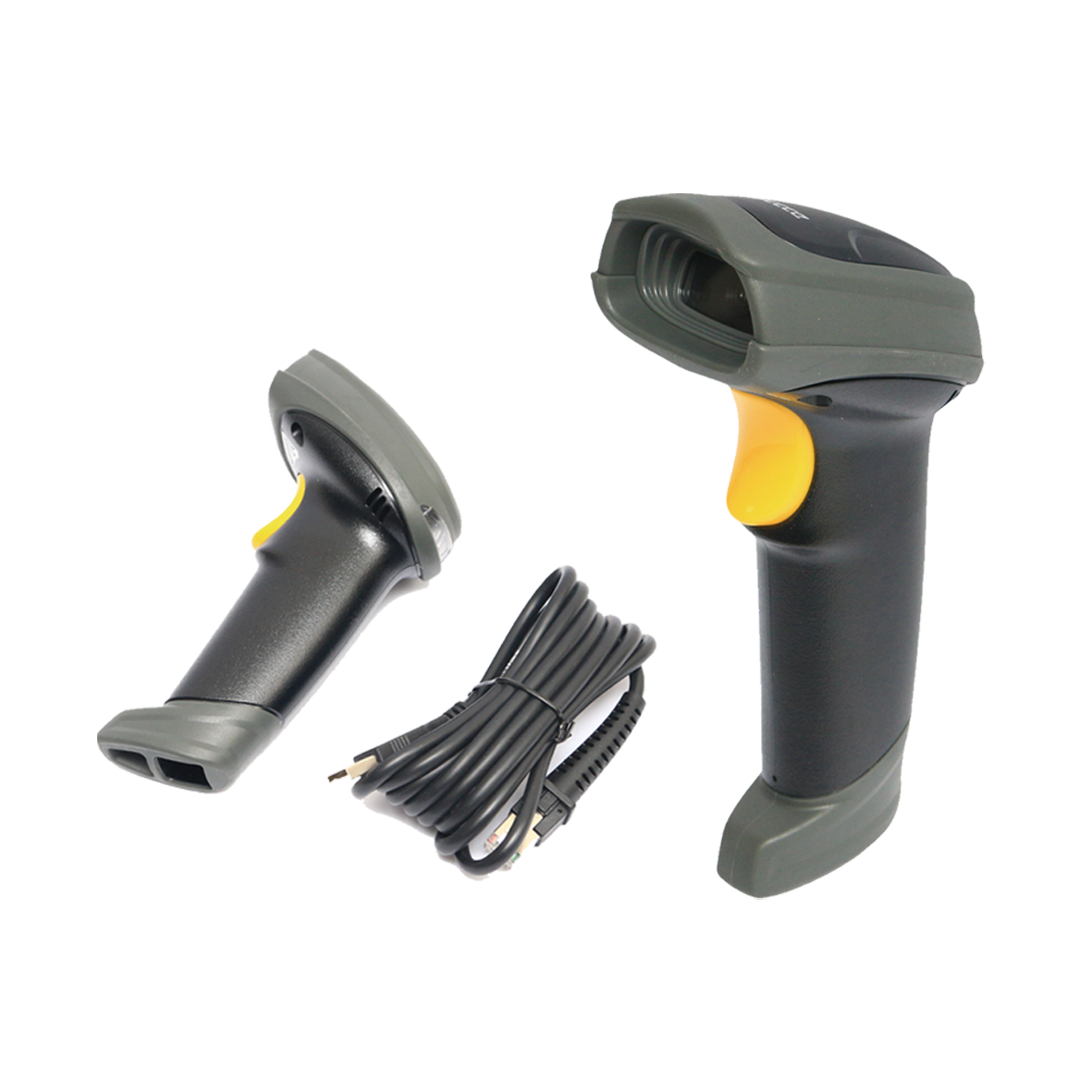
A Barcode Scanner is an indispensable electronic device designed for the automatic capture and decoding of information contained within barcodes. Functioning as a critical data entry and collection tool, it translates visual patterns (represented by varying widths and spacings of parallel lines or a two-dimensional matrix) into digital data that can be instantly processed by a connected computer or system. The evolution of Barcode Scanner technology, from early laser-based models to today's sophisticated image-based and mobile solutions, has revolutionized operational workflows across a vast spectrum of industries. These devices are fundamental pillars in retail point-of-sale (POS), inventory and warehouse management, logistics and shipping, asset tracking, healthcare patient and specimen identification, manufacturing control, and library systems.
The core purpose of a Barcode Scanner is to eliminate manual data entry errors, dramatically accelerate processes, and provide real-time visibility into operations. By ensuring accurate and instantaneous data capture, it creates a reliable bridge between the physical movement of goods/assets and the digital management systems that monitor them. Modern Barcode Scanners come in diverse form factors including handheld triggers, presentation-style for hands-free operation, in-counter fixed models, and mobile computers with integrated scanning engines. The choice of technology—laser, linear imager, or 2D area imager—depends on the specific application, type of barcode (1D or 2D), and working environment. In an era defined by efficiency, traceability, and data-driven decision-making, the Barcode Scanner remains a foundational technology for business optimization, supply chain transparency, and enhanced customer service.
Advantages Breakdown
1. Unmatched Speed and Accuracy in Data Capture
The primary advantage of utilizing a Barcode Scanner is the exponential increase in speed and accuracy compared to human manual entry. A single scan takes a fraction of a second, processing dozens of items per minute with near-perfect precision. This drastically reduces transaction times at checkouts, accelerates picking and packing in warehouses, and speeds up inventory audits. In terms of accuracy, the error rate for barcode scanning is phenomenally low (often less than 1 in 3 million characters), virtually eliminating costly mistakes stemming from keystroke errors, misreading, or fatigue. This high-fidelity data ensures inventory records are reliable, orders are fulfilled correctly, and business analytics are based on solid information.
2. Significant Operational Cost Reduction and Strong ROI
Implementing a Barcode Scanner system delivers a rapid and sustained return on investment (ROI). It directly reduces labor costs associated with manual data entry and inventory counting, freeing staff for higher-value tasks. Indirect savings are realized through optimized inventory control—minimizing stockouts, preventing overstocking, and reducing shrinkage. Furthermore, it cuts costs related to error correction, such as shipping compensations, returns processing, and customer service reconciliation. The durability and low maintenance of modern scanners ensure these cost benefits persist over many years, making the initial investment highly justifiable.
3. Enhanced Productivity and Streamlined Workflows
Barcode Scanning automates and simplifies complex processes, leading to substantial gains in overall productivity. Workflows become faster, simpler, and more intuitive. In logistics, a worker can quickly scan multiple parcels; in a retail store, restocking is efficient with instant updates to inventory levels; in a hospital, nurses can accurately identify patients and medications. This streamlining reduces training time for new employees, minimizes process bottlenecks, and allows businesses to handle larger volumes without proportional increases in staffing or resources.
4. Improved Inventory Management and Asset Visibility
Real-time, accurate data capture is the cornerstone of effective inventory and asset management. A Barcode Scanner provides immediate visibility into stock levels, movement history, and asset location. This enables just-in-time inventory practices, reduces carrying costs, and allows for precise demand forecasting. For asset tracking, it ensures tools, equipment, and files are accounted for, reducing loss and improving utilization rates. The ability to conduct fast and accurate cycle counts strengthens financial reporting and operational planning.
5. Robustness and Adaptability to Challenging Environments
Industrial and commercial-grade Barcode Scanners are engineered for reliability. They often feature rugged designs that withstand repeated drops onto concrete, resist dust and water ingress (with IP ratings), and operate in extreme temperature ranges. Scanning performance is also adaptable: modern imagers can read damaged, poorly printed, or distorted barcodes, and function effectively in direct sunlight or low-light conditions. This durability and environmental adaptability ensure continuous operation in demanding settings like warehouses, factory floors, and outdoor yards.
6. Seamless Integration and Data-Driven Decision Support
Contemporary Barcode Scanners offer plug-and-play compatibility with existing systems via standard interfaces (USB, Bluetooth, Wi-Fi). They typically emulate keyboard input (HID), making integration with most software applications straightforward. The accurate, timely data they feed into Warehouse Management Systems (WMS), Enterprise Resource Planning (ERP), or POS software becomes the foundation for powerful business intelligence. Managers gain insights into sales trends, operational efficiency, and supply chain performance, enabling proactive, data-driven decisions that enhance competitiveness.
Technical and Process Highlights (Selling Points)
1. Advanced Scanning Engine Technology
High-Performance 2D Area Imagers: Utilizing megapixel global shutter CMOS sensors, these engines capture an image of the barcode for decoding. They are omnidirectional, reading 1D and 2D codes (QR, Data Matrix) from any orientation, and can even capture digital signatures or photos for proof-of-delivery.
Sophisticated Decoding Software: Embedded decoding algorithms are highly resilient, capable of interpreting low-contrast, faded, scratched, or curved barcodes on screens (mobile coupons, boarding passes) or Direct Part Marks (DPM).
Advanced Illumination Systems: Engineered lighting, such as aiming patterns (laser or LED) and adaptive illumination, ensures optimal performance across various surfaces (glossy, metallic) and under challenging ambient light.
2. Ergonomic and User-Centric Design
Comfort-Optimized Form Factor: Handheld scanners are designed with weight distribution and grip contours that minimize strain during all-day use. Low-actuation-force triggers reduce finger fatigue.
Intuitive Multi-Sensory Feedback: Immediate confirmation of a successful scan is provided through audible (beep), visual (LED spot/green light), and haptic (vibration) feedback, improving operator confidence and pace.
Hygienic and Easy-to-Clean Materials: For healthcare and food industry applications, scanners feature housings resistant to harsh cleaning chemicals and disinfectants.
3. Connectivity and Power Management Innovations
Cordless Freedom with Extended Range: Utilizing Bluetooth 5.0 or proprietary wireless protocols, scanners offer stable connectivity over long distances (100m+), ideal for large facilities. Multi-scanner management via a single base station simplifies setup.
Intelligent Power Systems: High-capacity lithium-ion batteries support full-shift or multi-shift operation. Features like automatic sleep/wake and motion sensing conserve power. Charging is convenient via docking cradles or USB-C cables.
Versatile Host Interfaces: Support for various interfaces (USB, RS-232, keyboard wedge, IBM 46XX) ensures compatibility with legacy and modern systems.
4. Smart Features and Programmability
Highly Configurable Parameters: Users can program the scanner via software or configuration barcodes to enable/disable specific symbologies, set data formatting rules (add prefixes/suffixes, truncate), or define output sequences.
Batch Mode and Data Storage: For mobile scanners, the ability to store thousands of scans in memory when out of wireless range, followed by synchronized batch upload, is crucial for inventory tasks in remote areas.
Remote Management and Diagnostics: Enterprise-grade scanners support remote firmware updates, configuration deployment, and asset monitoring, reducing IT support costs and ensuring fleet uniformity.
5. Industry-Specific Application Optimizations
High-Density Retail & POS: Ultra-fast scan rates to handle peak customer traffic, quiet mode for libraries, and superior performance on cell phone displays for scanning digital loyalty codes and payment QR codes.
Logistics & Warehousing: Extreme ruggedness, long-range scanning for high shelves, and specialized modes for reading multiple barcodes in a single trigger pull (e.g., a box ID and a parcel label).
Healthcare: Compliant with hygiene standards, capable of reading high-density barcodes on small vials and wristbands, and offering disinfectant-ready housings.
Manufacturing & DPM Reading: Equipped with specialized optics and lighting to reliably read codes etched, dot-peened, or laser-marked directly onto metal, plastic, or glass components.


 EN
EN