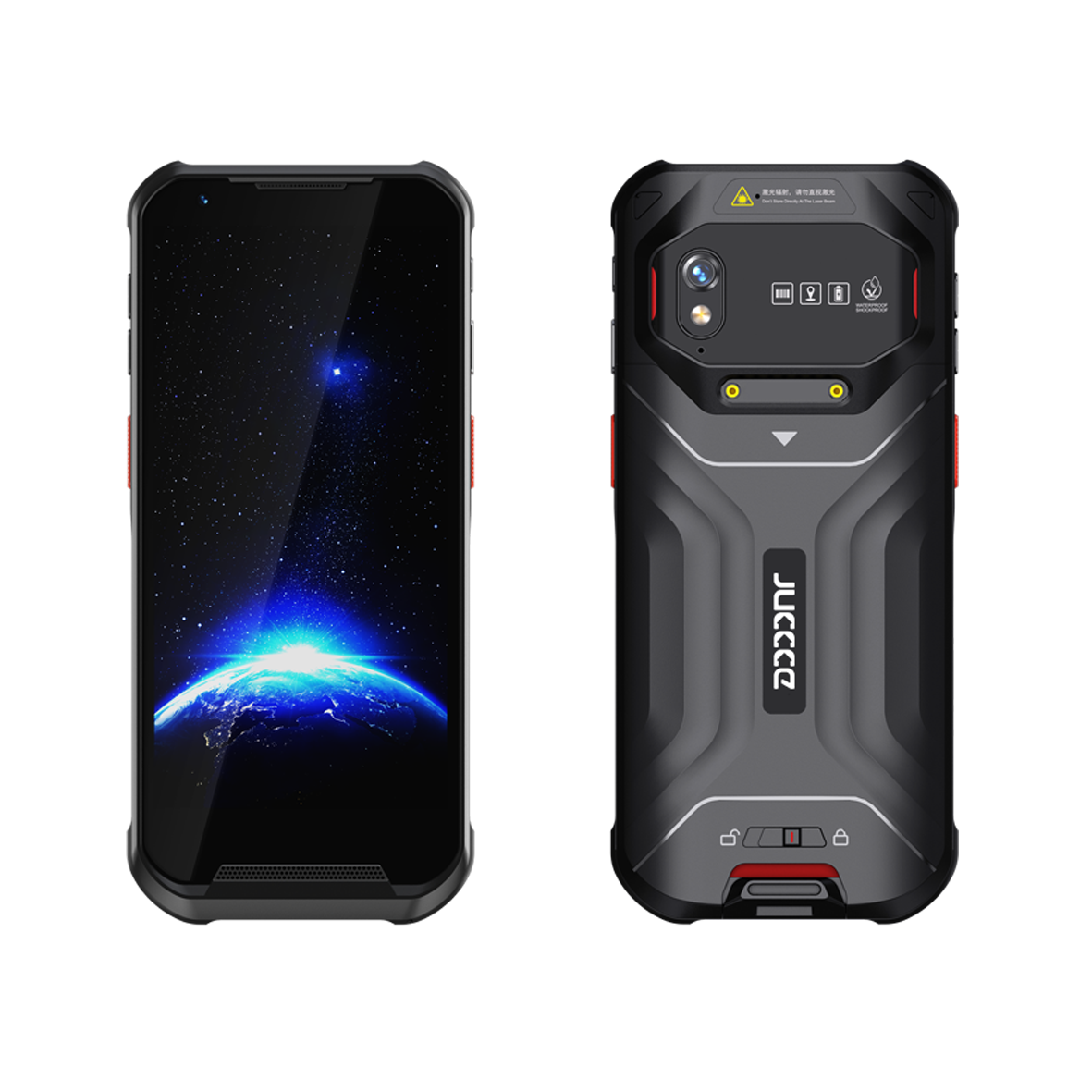
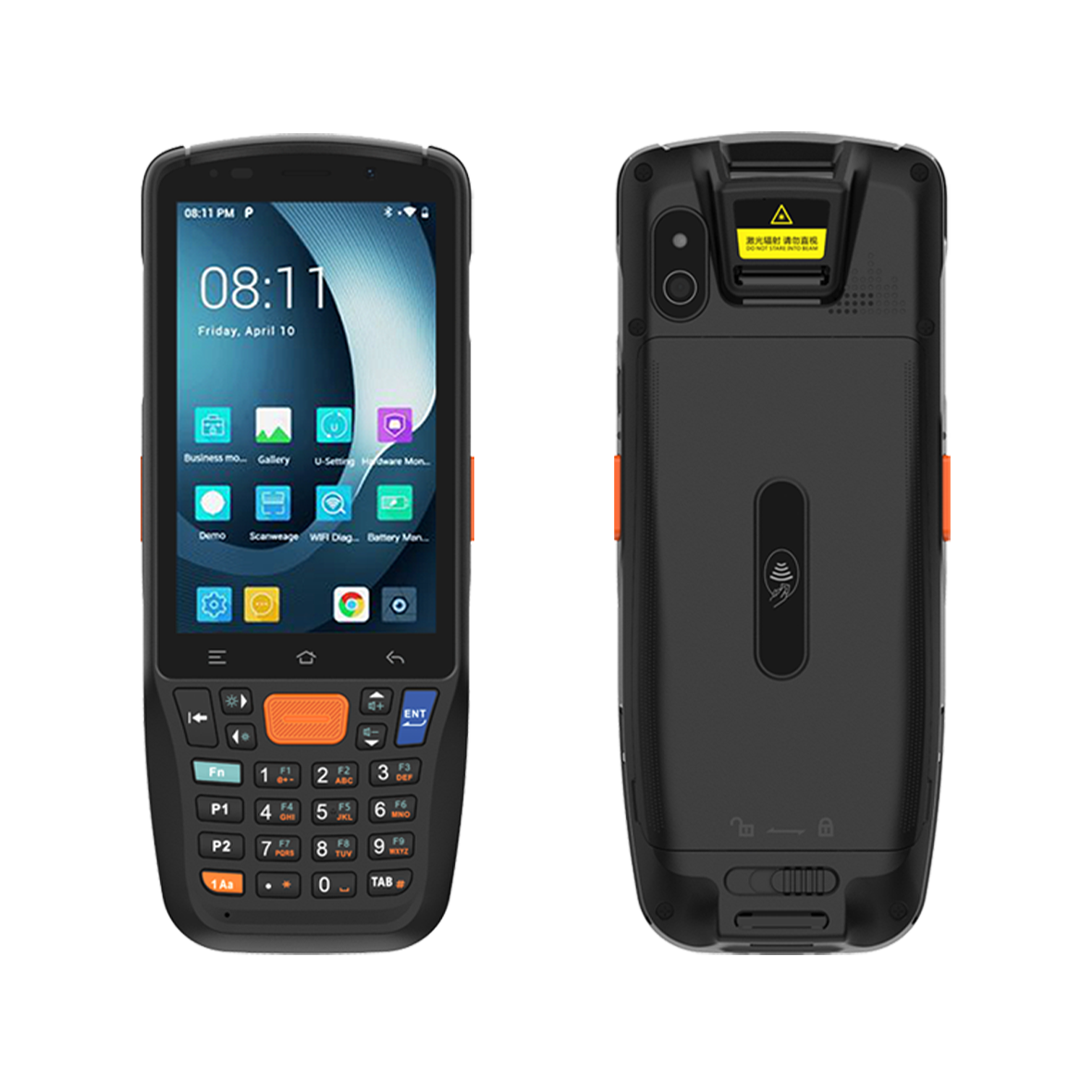
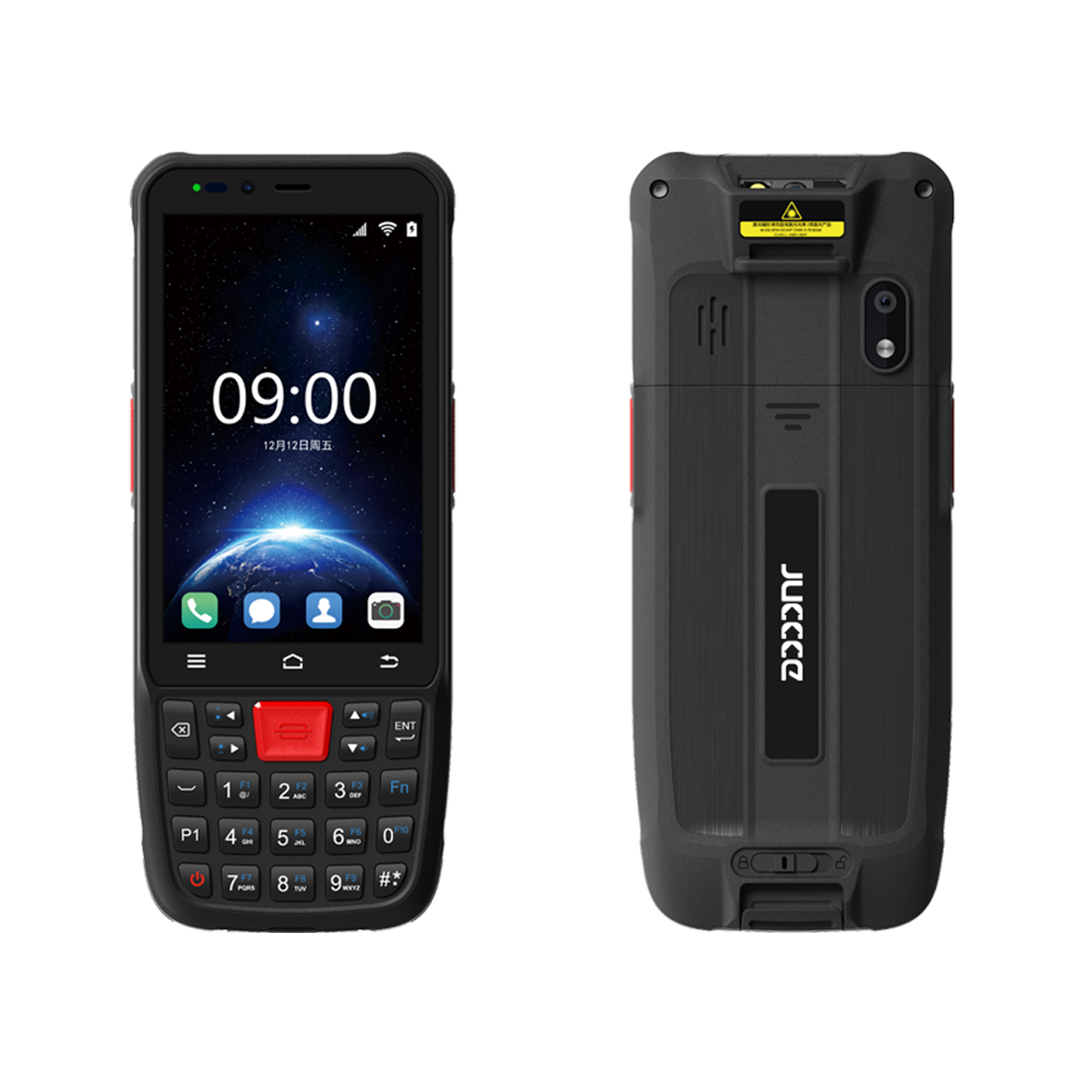
Page Introduction
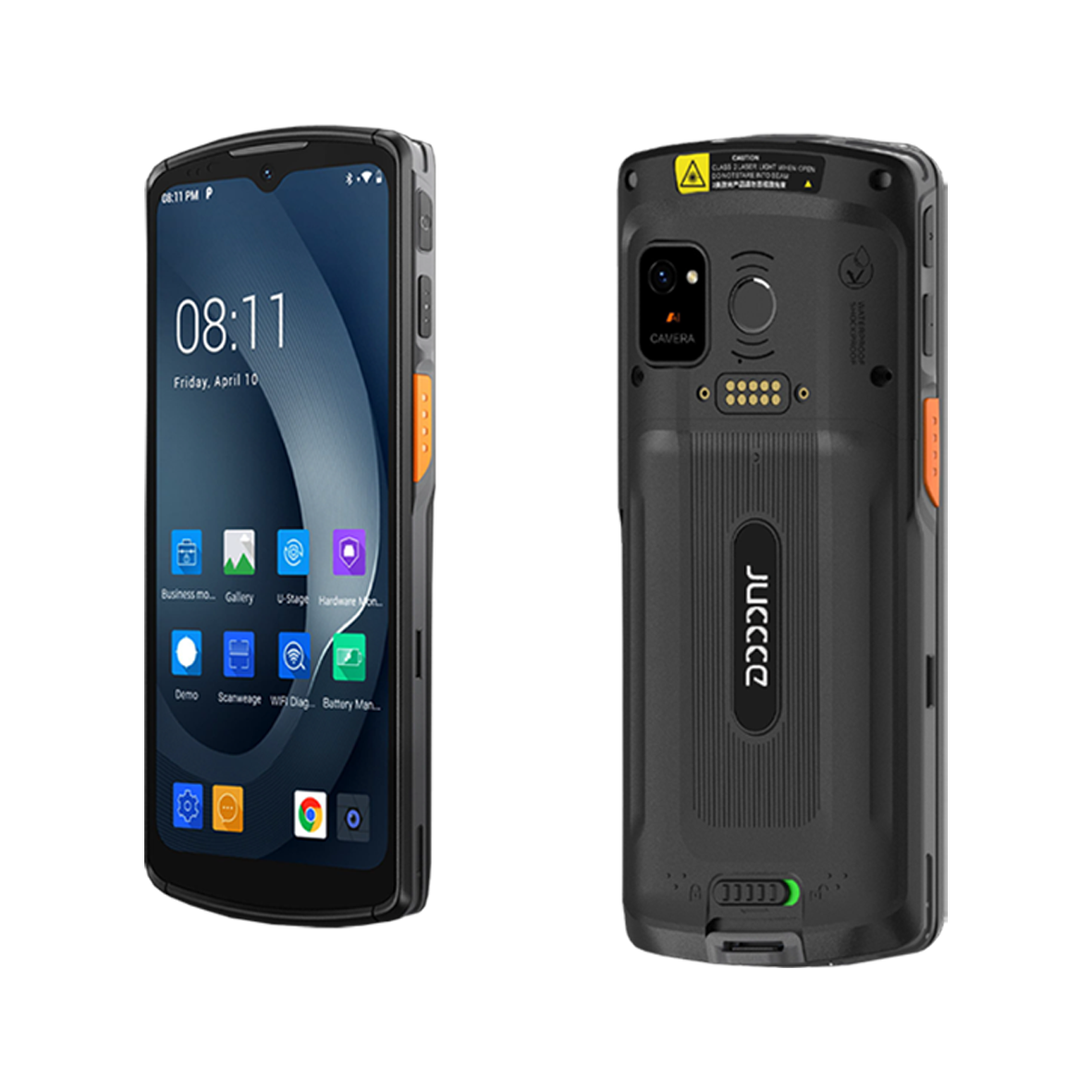
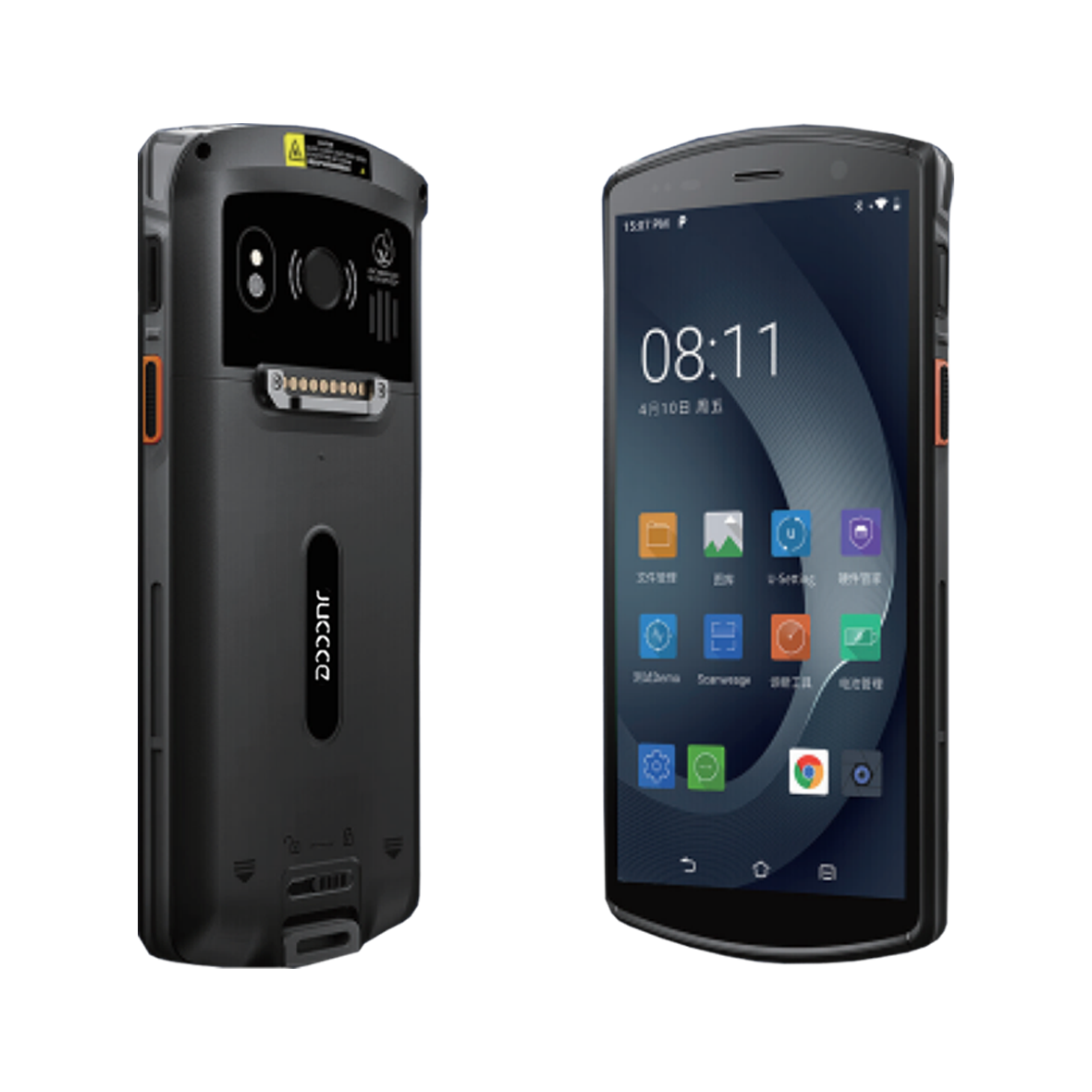
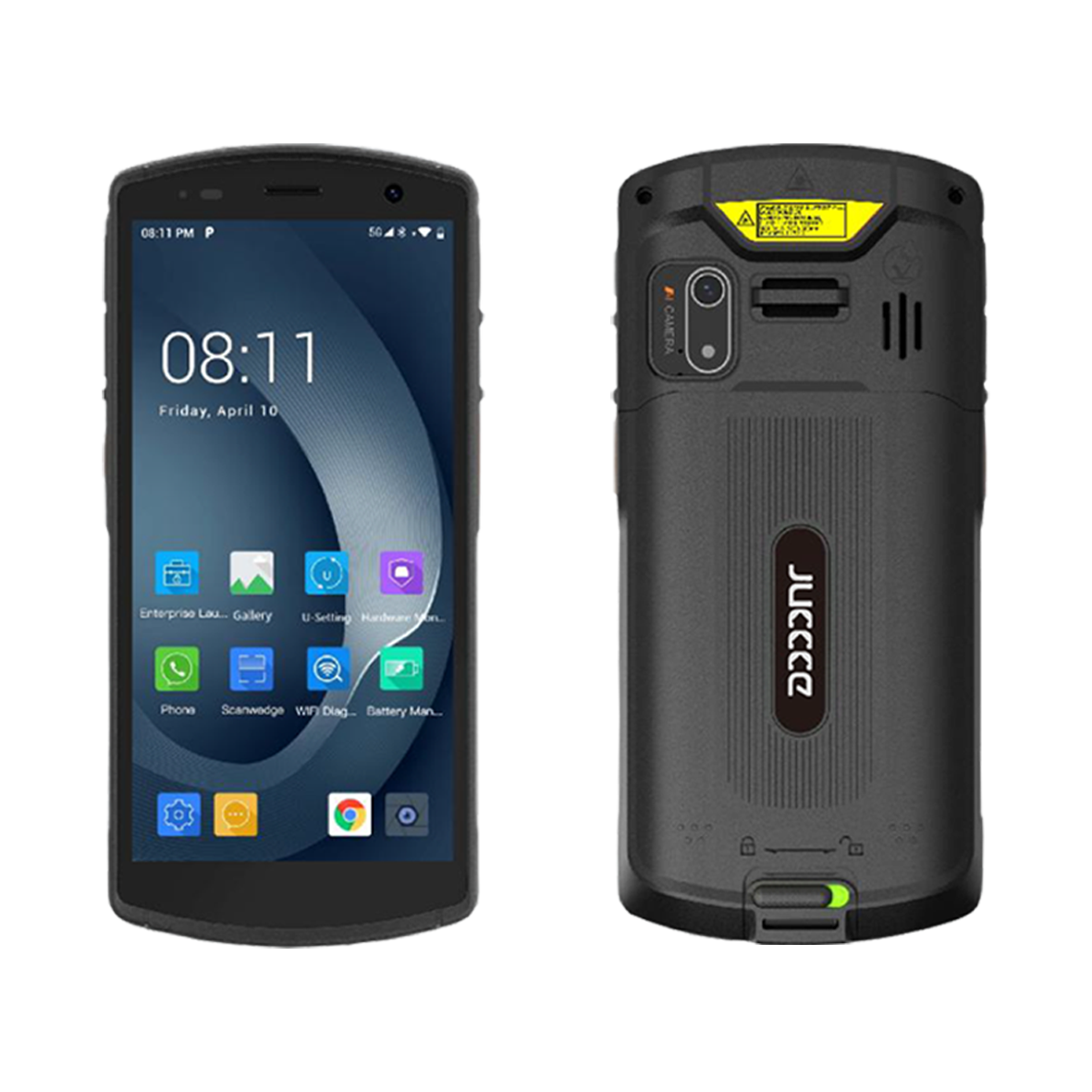
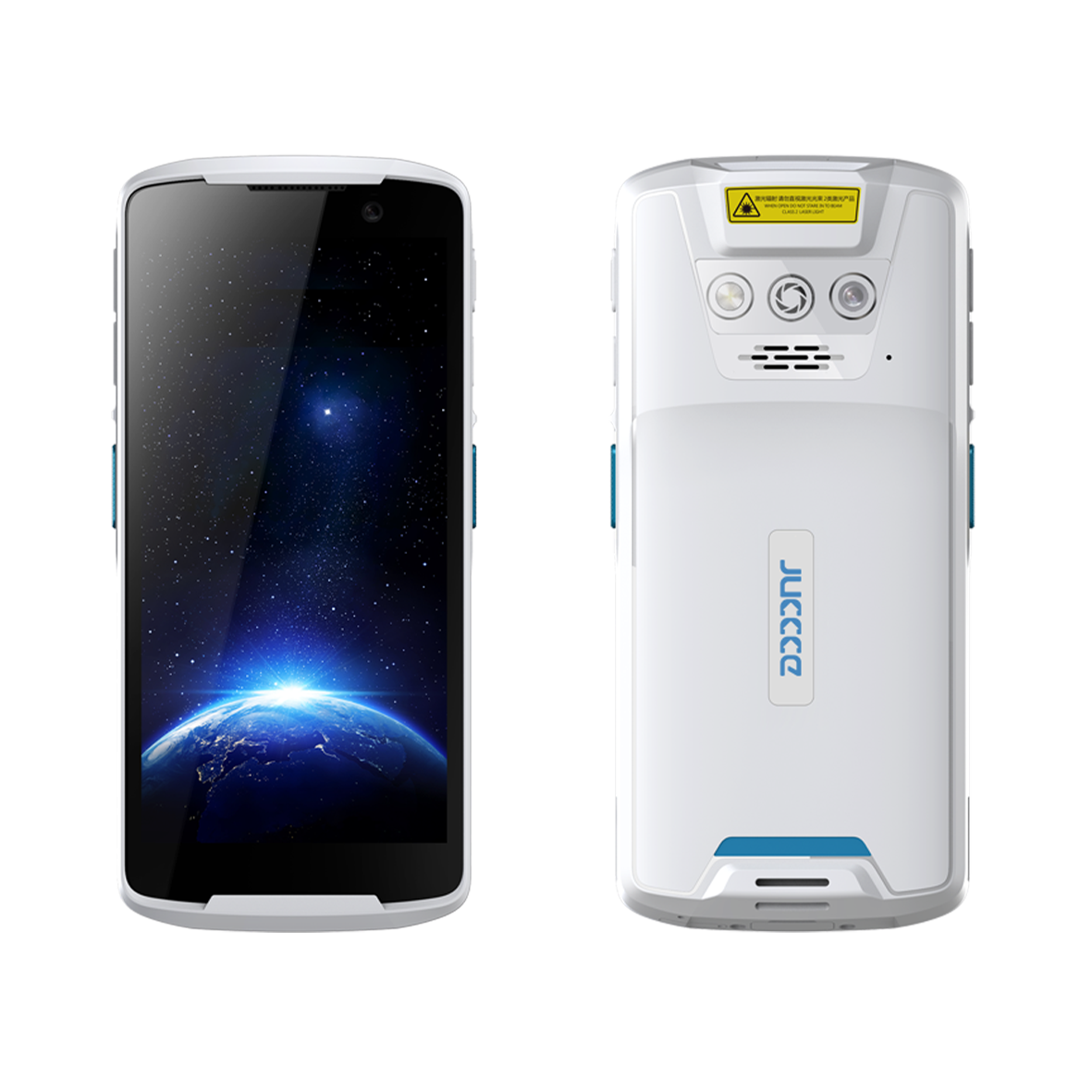
A Handheld Terminal, commonly known as an Industrial PDA (Personal Digital Assistant), represents a significant evolution beyond traditional consumer mobile devices. It is a purpose-built, ruggedized mobile computing solution engineered to empower the workforce in dynamic, data-intensive environments. Unlike standard smartphones or tablets, a Handheld Terminal (PDA) is designed to withstand the rigors of demanding industries such as logistics, warehousing, field service, retail inventory, manufacturing, and healthcare. At its core, it integrates multiple critical functions into a single, portable unit: a powerful onboard computer, a high-performance data capture engine (for barcodes, RFID, or images), robust wireless connectivity, and a user interface optimized for operational workflows. This convergence transforms the device from a simple tool into a mobile command center, enabling real-time access to enterprise systems, immediate data capture and validation, and seamless communication from anywhere within the operational footprint.
The modern Handheld Terminal bridges the gap between the physical world and digital management systems like Warehouse Management Systems (WMS), Enterprise Resource Planning (ERP), and Transportation Management Systems (TMS). By placing processing power and connectivity directly into the hands of frontline workers, it eliminates paper-based processes, reduces errors, and accelerates decision-making cycles. From receiving and put-away to picking, packing, and shipping; from asset tracking and cycle counting to proof-of-delivery and field maintenance reports—the Handheld Terminal (PDA) is the linchpin of digital transformation for mobile operations. Its value lies not just in mobility, but in its ability to execute complex business logic locally, ensure data integrity at the point of activity, and drive unprecedented levels of operational visibility and efficiency.
Advantages Breakdown
1. Real-Time Data Access and Process Automation
The foremost advantage of deploying a Handheld Terminal is the empowerment of workers with real-time information. Connected via Wi-Fi, cellular networks, or Bluetooth, these devices provide instant access to central databases, inventory records, work orders, and route details. This enables dynamic task allocation, immediate verification of picks or checks, and up-to-the-minute status updates. By automating workflows—such as directing a picker via optimal routes, validating part numbers upon scan, or auto-populating fields in a digital form—the Handheld Terminal (PDA) eliminates guesswork, reduces walk time, and ensures strict procedural compliance, leading to a dramatic increase in first-pass accuracy and overall throughput.
2. Unmatched Durability and Reliability in Harsh Environments
Industrial Handheld Terminals are built to perform where consumer devices fail. They boast rugged designs that meet or exceed stringent military-standard (MIL-STD-810G) ratings for drops, shocks, and vibrations. Sealed housings with high Ingress Protection (IP65, IP67) ratings guard against dust and water jets, allowing reliable operation in rain, snow, dusty warehouses, or humid conditions. Engineered to withstand extreme temperatures and resist exposure to chemicals, oils, and solvents, these PDAs ensure continuous operation with minimal downtime, providing a superior total cost of ownership by reducing device failure and replacement costs.
3. Integrated, High-Accuracy Data Capture Capabilities
A defining feature of a professional Handheld Terminal is its integrated, industrial-grade data capture technology. This goes beyond basic scanning to include:
Advanced Barcode Scanning: High-performance 1D/2D imagers or lasers that read damaged, poorly printed, or distant barcodes with exceptional speed and accuracy, even in challenging lighting.
RFID Reading/Writing: UHF RFID modules enable bulk reading of tagged items without line-of-sight, revolutionizing inventory counts and asset tracking.
Image and Signature Capture: Integrated cameras allow for capturing proof of condition, delivery confirmations with signatures, or visual documentation for audits and maintenance.
This multi-modal data capture consolidates tools, simplifies worker training, and ensures data is captured correctly at the source.
4. Enhanced Workforce Productivity and Operational Efficiency
By digitizing and streamlining manual processes, Handheld Terminals significantly boost productivity. Workers complete tasks faster with digital guidance, spend less time on paperwork and data re-entry, and make fewer errors that require rework. Features like voice-directed picking, large tactile keypads for gloved hands, and bright, sunlight-readable displays further optimize the human-machine interface for speed and comfort. The resulting efficiency gains translate directly into higher task completion rates, lower labor costs per transaction, and the ability to manage larger volumes without proportional increases in staff.
5. Improved Inventory and Asset Visibility & Accuracy
The Handheld Terminal (PDA) is the frontline tool for achieving inventory perfection. Real-time, scan-verified transactions ensure that system records precisely match physical stock. This enables highly accurate cycle counting, reduces shrinkage, minimizes costly stockouts and overstock situations, and optimizes warehouse space utilization. For asset management, it provides an auditable trail of location, movement, maintenance history, and user assignment, maximizing asset utilization and lifecycle value.
6. Strategic Data Collection and Business Intelligence
Every scan, entry, and transaction performed on a Handheld Terminal generates valuable data. This data, collected in real-time, feeds into business analytics platforms, providing management with unprecedented insights into operational performance, worker productivity, process bottlenecks, and order accuracy rates. This facilitates data-driven decision-making, continuous process improvement, and strategic planning based on accurate, timely information rather than estimates or historical reports.
Technical and Process Highlights (Selling Points)
1. Ruggedized Industrial Design and Engineering
Robust Construction: Utilizes reinforced polycarbonate or magnesium alloy frames, protected corners, and scratch-resistant displays (often Gorilla Glass) with optional screen protectors.
Environmental Sealing: Precision gaskets and seals achieve high IP ratings, ensuring reliable performance in wet, dusty, or wash-down environments common in food processing or pharmaceuticals.
Ergonomic Form Factors: Designs consider prolonged use, with balanced weight distribution, intuitive grip contours, and programmable side keys or pistol-grip triggers for one-handed operation.
2. Powerful Computing Platform and Connectivity
High-Performance Processors: Multi-core CPUs (from ARM to high-performance Intel/AMD platforms) provide the computational power to run modern warehouse and field service applications smoothly.
Comprehensive Connectivity Suite: Incorporates dual-band Wi-Fi (802.11 a/b/g/n/ac/ax) for seamless roaming in large facilities, Bluetooth 5.x for peripheral connection (printers, headsets), and optional 4G/5G LTE for wide-area communication. GNSS (GPS, GLONASS, BeiDou) ensures precise outdoor location tracking.
Ample Memory and Storage: Generous RAM ensures smooth multitasking, while substantial internal flash storage (often expandable via microSD) holds applications, data, and captured images.
3. Superior Data Capture Modules and Options
Professional-Grade Imagers: Engineered for industrial use, featuring high-resolution sensors, advanced aiming systems (laser or LED), and powerful illumination to handle the darkest or most reflective surfaces.
Configurable RFID: Flexible RF power output and tunable antennas allow optimization for different tag types and read ranges, from close-proximity item verification to long-range pallet reads.
High-Resolution Cameras: Auto-focus cameras with LED flashes capable of capturing clear images for documentation, OCR, or remote expert assistance.
4. Enterprise-Grade Software and Manageability
Versatile Operating Systems: Run on secure, stable, and manageable platforms like Android, Windows IoT, or purpose-built embedded OS, offering flexibility for application development.
Device Management and Security: Support for leading Mobile Device Management (MDM) solutions like SOTI MobiControl, VMware Workspace ONE, or Zebra Mobility Extensions (Mx) allows for remote configuration, application deployment, security policy enforcement, and fleet monitoring.
Extended Battery Life and Hot-Swappability: High-capacity, hot-swappable batteries enable 24/7 shift operations without tethering to a power source. Intelligent power management extends battery life per charge.
5. Industry-Specific Application Enablers
Warehouse & Logistics: Optimized for WES/WMS applications with features like multi-scan modes, advanced pick confirmation logic, and compatibility with vehicle mounts and wearable ring scanners.
Field Service & Direct Store Delivery (DSD): Supports electronic proof-of-delivery (ePOD), signature capture, inventory lookup, and payment processing on the spot, integrated with route accounting software.
Retail: Enables shelf auditing, price verification, inventory management, and mobile point-of-sale (mPOS) with secure card reader attachments.
Healthcare: Designed with cleanable housings for infection control, capable of scanning patient wristbands and medication labels, and integrated with clinical information systems for bedside data entry.

 EN
EN