Page Introduction
An Industrial-level PC (Industrial PC or IPC) is a specialized class of computing hardware engineered to deliver robust, reliable, and continuous performance in the most demanding physical and operational environments. Unlike commercial-grade desktop computers designed for climate-controlled offices, an Industrial-level PC is built from the ground up to withstand extreme conditions including wide temperature fluctuations, pervasive dust and particulate matter, humidity, moisture, vibration, shock, and electromagnetic interference (EMI). These systems serve as the central processing brains for a vast array of critical applications, from factory automation and machine vision to process control, edge computing in the Internet of Things (IoT), digital signage in public spaces, and mission-critical operations in transportation, energy, and defense. The fundamental purpose of an Industrial-level PC is to ensure deterministic computing—providing unwavering stability and predictable responses 24/7—where system failure or performance inconsistency can lead to catastrophic production downtime, safety hazards, or significant financial loss.
The architecture of an Industrial-level PC diverges significantly from consumer counterparts. It prioritizes durability, longevity, and serviceability over compact aesthetics or peak consumer-performance metrics. Key defining characteristics include a ruggedized, often fanless and ventless chassis made of heavy-gauge aluminum or steel; the use of industrial-grade components with extended temperature ratings and longer lifecycles; and specialized features such as shock-mounted drives, conformal-coated circuit boards, and a rich array of industrial I/O ports. Form factors are highly varied to suit diverse integration needs, including rack-mount, panel-mount, box-type, and DIN-rail mountable designs. In an era defined by Industry 4.0 and smart manufacturing, the Industrial-level PC has evolved beyond mere control. It now functions as a powerful edge computing node, aggregating, processing, and analyzing real-time data from sensors, cameras, and PLCs on the factory floor, enabling predictive maintenance, quality assurance, and agile production processes. Selecting the right Industrial-level PC is a strategic decision that directly impacts operational resilience, total cost of ownership, and the ability to leverage data for competitive advantage.
Advantages Breakdown
1. Unparalleled Reliability and Uptime in Harsh Environments
The paramount advantage of an Industrial-level PC is its engineered reliability. It is constructed to operate flawlessly in conditions that would cause a standard PC to fail. Its rugged enclosure provides superior protection against ingress of dust and liquids (achieving IP65, IP67, or higher ratings), while its component selection and thermal design ensure stable operation across extended temperature ranges (e.g., -20°C to 60°C or wider). This resilience guarantees maximum system uptime, minimizing costly unplanned downtime in continuous process industries, outdoor installations, and manufacturing cells where environmental control is not feasible.
2. Extended Product Lifecycle and Long-Term Availability
Industrial applications require stability over many years, often exceeding a decade. An Industrial-level PC is designed with a long product lifecycle in mind. Manufacturers commit to the prolonged availability of core components and platforms, shielding users from the disruptive and frequent refresh cycles of the consumer PC market. This stability is crucial for businesses that develop and maintain custom software or control systems, as it eliminates the need for constant hardware revalidation and software porting, protecting the initial investment and simplifying long-term maintenance planning.
3. Superior Mechanical and Electrical Durability
Built with industrial-grade materials and construction techniques, these PCs offer exceptional mechanical durability. Features like welded seam chassis, vibration-resistant drive mounting, and lockable connectors ensure the system can endure the constant vibrations of a production line, the shocks of mobile vehicle mounting, or the rigors of a busy warehouse. Electrically, they incorporate filtering, shielding, and high-quality power supplies to resist electromagnetic interference (EMI) and power surges, ensuring stable operation in electrically noisy industrial settings and preventing data corruption or system resets.
4. Deterministic Performance and Real-Time Computing Capability
For control and automation tasks, predictable timing is as critical as raw processing power. Many Industrial-level PCs, especially those used in conjunction with real-time operating systems (RTOS) or real-time extensions, provide deterministic performance. This means the system guarantees response times within strict, predefined limits for critical I/O operations. This capability is essential for applications like motion control, robotic coordination, and data acquisition from high-speed sensors, where latency or jitter is unacceptable.
5. Enhanced Connectivity and Flexible I/O Expansion
An Industrial-level PC typically offers a broader and more robust set of connectivity options than a commercial PC. Beyond standard USB and Ethernet, it features legacy and industrial-specific ports crucial for factory integration, such as multiple COM (RS-232/422/485) ports for serial device communication, isolated digital I/O (DIO) for sensor/actuator control, and expansion slots (PCI, PCIe, PCIe Mini) for adding specialized cards like frame grabbers for machine vision, PoE+ network interfaces, or additional communication modules (PROFIBUS, CAN bus). This I/O flexibility allows for direct connection to a wide array of industrial equipment without the need for unreliable adapters.
6. Simplified Maintenance and Serviceability
Despite their ruggedness, Industrial-level PCs are designed for easy maintenance in the field. Many feature tool-less access to internal components, modular designs that allow for hot-swappable drives or power supplies, and comprehensive remote management capabilities (via IPMI, Intel AMT, or vendor-specific software). This design philosophy reduces mean time to repair (MTTR), enables proactive system health monitoring, and allows for component upgrades or replacements without requiring a full system overhaul, thereby controlling lifecycle costs.
Technical and Process Highlights (Selling Points)
1. Ruggedized Thermal and Mechanical Design
Fanless, Passive Cooling Architecture: High-end Industrial-level PCs eliminate moving parts like fans by utilizing the entire heavy-metal chassis as a heat sink. Computational components (CPU, chipset) are often directly bonded to the chassis via thermal interface materials, enabling efficient, silent, and reliable heat dissipation in dusty environments where fans would clog and fail.
Vibration and Shock Resistance: Internal components are secured with specialized mounts. Drives may be suspended in rubber grommets or replaced entirely with soldered solid-state storage (e.g., M.2 or mSATA). Chassis are structurally reinforced to prevent resonance and withstand shocks per MIL-STD-810G or IEC 60068-2 standards.
Ingress Protection (IP) Sealing: Gaskets, sealed I/O port covers, and special cable glands are used to achieve high IP ratings, creating a sealed environment that protects sensitive electronics from dust, water jets, and corrosive atmospheres.
2. Industrial-Grade Component Selection and Power Integrity
Extended Temperature Components: All critical components—from the CPU and memory to storage and power regulators—are sourced and validated for industrial temperature ranges, ensuring data integrity and performance stability under thermal stress.
Conformal Coating: Printed circuit boards (PCBs) can be coated with a protective polymeric layer that guards against moisture, dust, fungal growth, and chemical contaminants, dramatically increasing long-term reliability in humid or corrosive industrial air.
Wide-Range, Isolated DC Power Input: Industrial PCs commonly accept a wide-range DC input (e.g., 9~36V DC or 18~75V DC), accommodating unstable power sources found in vehicles, plants, and remote sites. High-quality power circuits provide isolation and protection against voltage spikes, surges, and reverse polarity.
3. Modular and Scalable System Architecture
Backplane and Expansion Module Designs: Many systems use a modular approach with a passive backplane and separate CPU modules (Single Board Computers - SBCs). This allows for easy CPU upgrades or replacements without changing the entire chassis or I/O configuration.
DIN-Rail and Panel Mount Versatility: Compact Industrial-level PCs are designed for direct mounting on standard DIN rails inside control cabinets or for flush panel mounting on machinery, saving space and integrating neatly into industrial control panels.
Customizable I/O Configuration: Vendors often offer platforms where users can select from a menu of pre-validated I/O modules (additional COM ports, DIO, LAN, etc.) to create a system tailored to the exact connectivity requirements of the application.
4. Advanced Management and Security Features
Out-of-Band Remote Management: Integration of management controllers (like ASPEED AST series) allows for full remote control (power on/off, BIOS access, OS installation) over a dedicated network port, independent of the main operating system's state. This is invaluable for managing geographically dispersed or hard-to-access installations.
Hardware-Based Security: Features include TPM (Trusted Platform Module) chips for secure key storage and system integrity verification, support for hardware encryption of storage drives, and physical lockable covers to prevent unauthorized access to ports or internals.
Watchdog Timer: A critical reliability feature, the watchdog timer is a hardware circuit that automatically resets the system if the software fails to respond within a set period, ensuring automatic recovery from software hangs or crashes without manual intervention.
5. Application-Optimized Form Factors and Performance Tiers
Machine Vision & AI at the Edge: High-performance models equipped with powerful multi-core CPUs, high-speed PCIe slots for frame grabber cards, and support for GPU accelerators (MXM or PCIe) to run complex image processing and machine learning inference directly on the production line.
In-Vehicle Computing: Designed for mobile use with ignition power control (auto-on/off with vehicle ignition), M12 connectors for vibration-proof connections, and compliance with E-mark and railway standards for shock/vibration.
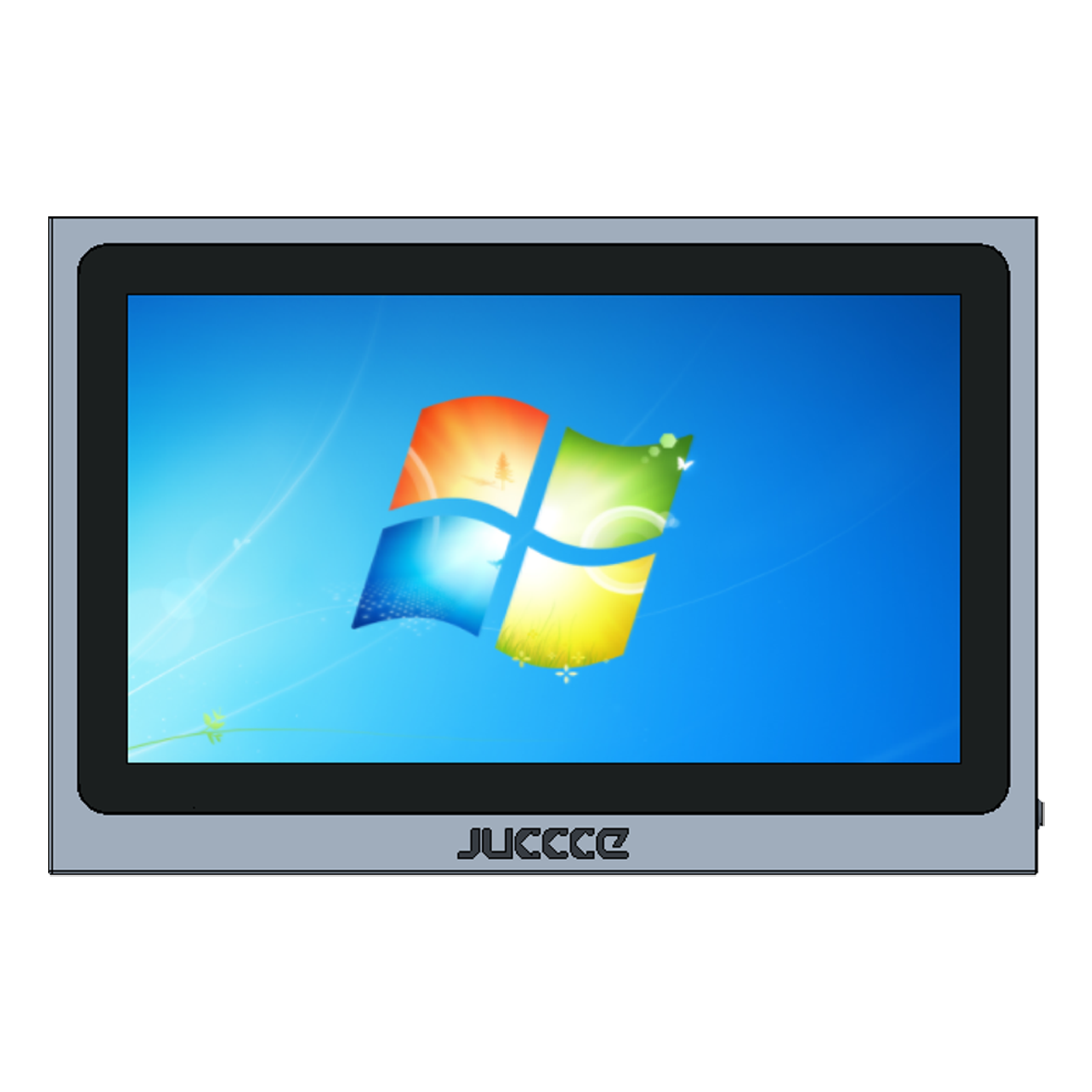
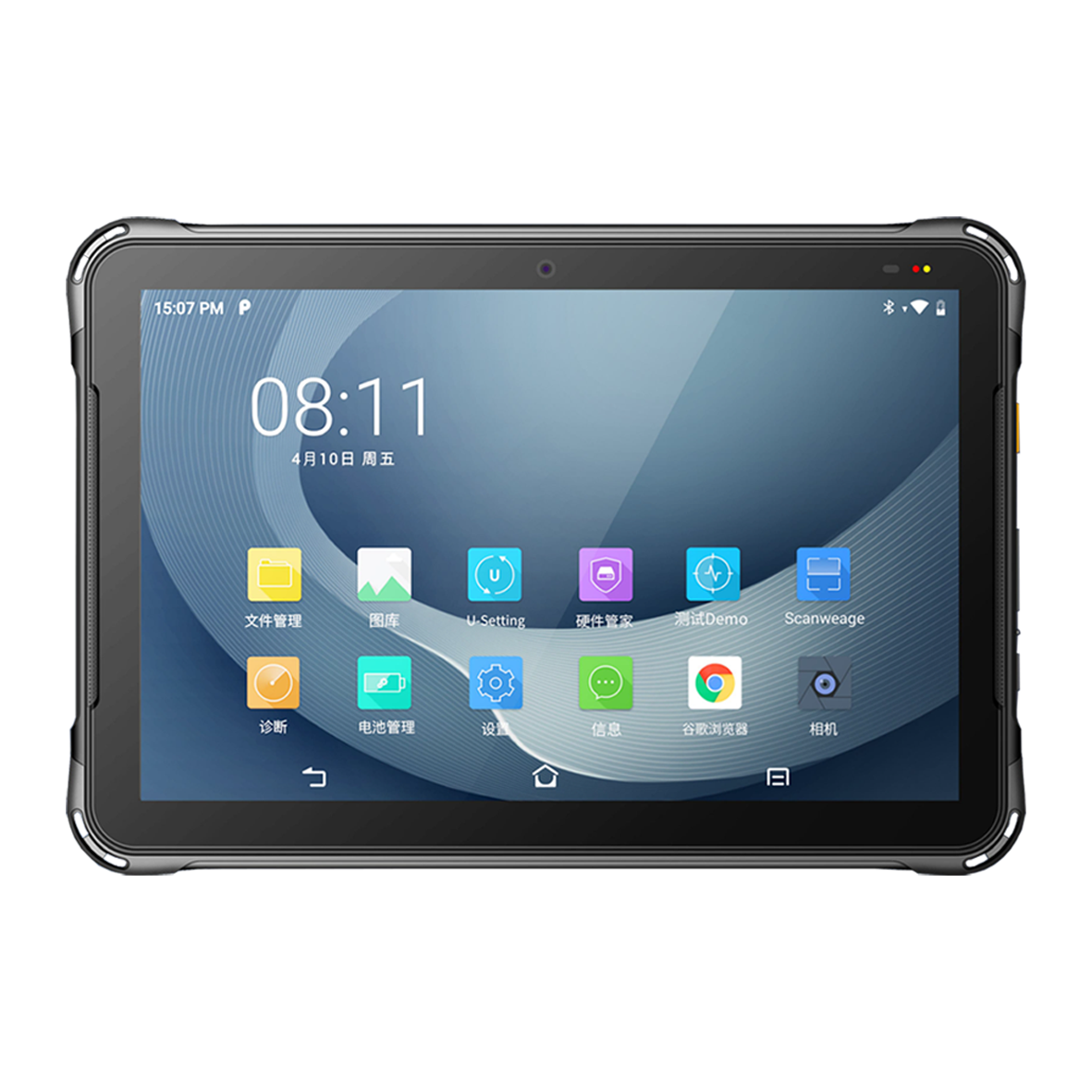
Thin Client & HMI: Fanless, low-power systems optimized for running human-machine interface (HMI) software or acting as thin clients in SCADA systems, often featuring bright, sunlight-readable displays and projected capacitive touchscreens for gloved-hand operation.
6. Comprehensive Software and Ecosystem Support
Extended OS Support: Manufacturers provide long-term driver support and compatibility with a wide range of operating systems, including legacy Windows versions (like Windows 10 IoT Enterprise LTSC), various Linux distributions, and real-time operating systems (QNX, VxWorks).
SDK and API Access: To facilitate integration into custom applications, vendors offer software development kits (SDKs) and APIs for accessing hardware-specific features like the watchdog timer, digital I/O, or system health sensors (temperature, voltage).
Global Certification and Compliance: Industrial-level PCs are often certified to meet global industry standards for safety (UL, cUL), EMI/EMC (CE, FCC), and specific sectors like marine (DNV GL) or railway (EN 50155), reducing deployment risk and ensuring global market acceptance.

 EN
EN