Page Introduction
Consumables represent the essential, continuously replenished components that power and sustain the core functionality of automatic identification and data capture (AIDC) systems, including barcode printers, RFID equipment, and mobile computing devices. These are the vital, non-permanent materials that are expended, used up, or transformed during standard operational workflows to create scannable labels, encode tags, and facilitate the uninterrupted capture of critical business data. Unlike the hardware itself—the printers, scanners, and terminals—Consumables are the active agents that physically interact with products, assets, and packages, carrying the machine-readable information that drives modern supply chain visibility, inventory accuracy, and process automation. Their consistent quality, compatibility, and performance are not mere operational details but foundational elements that directly determine the reliability, efficiency, and total cost of ownership of the entire AIDC ecosystem.
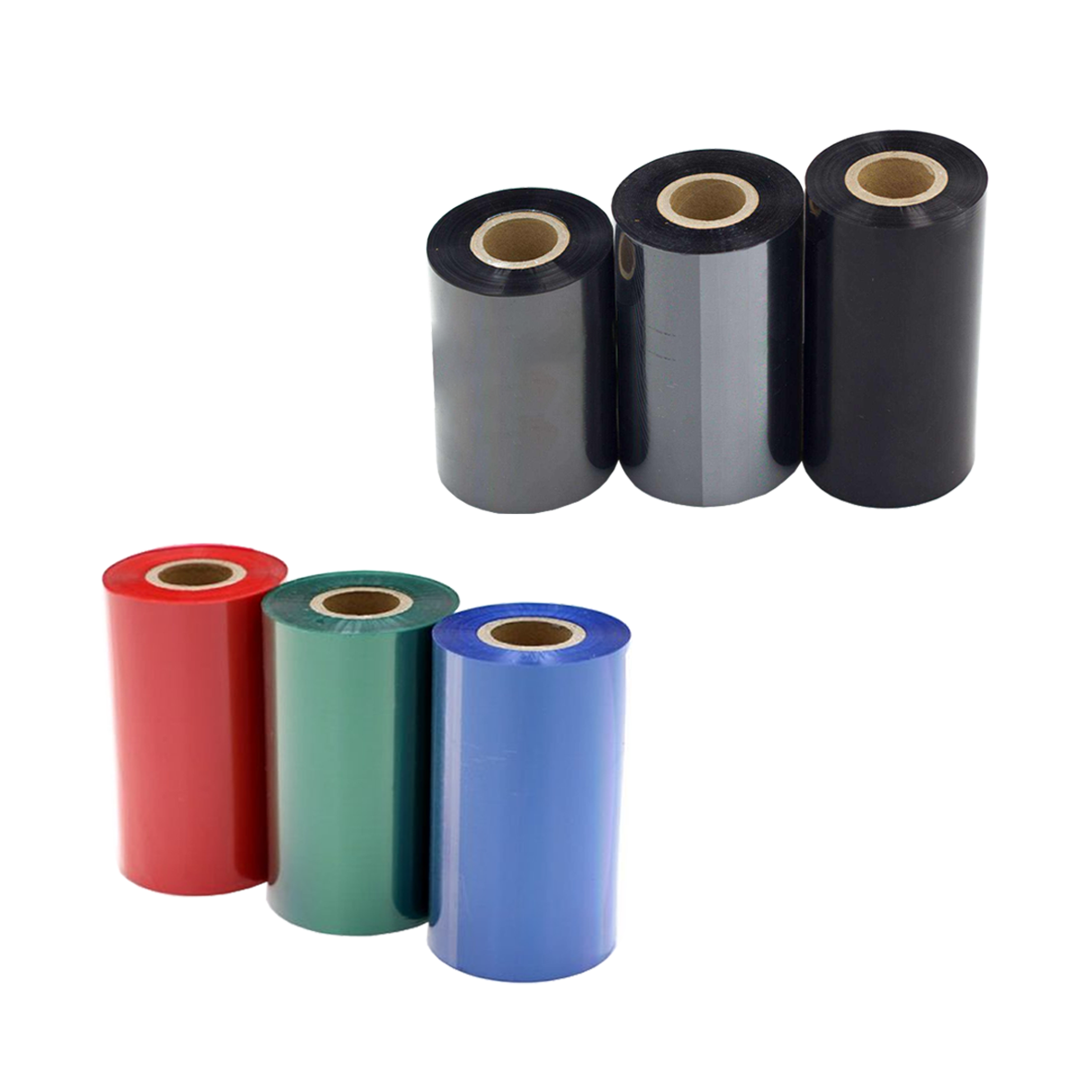
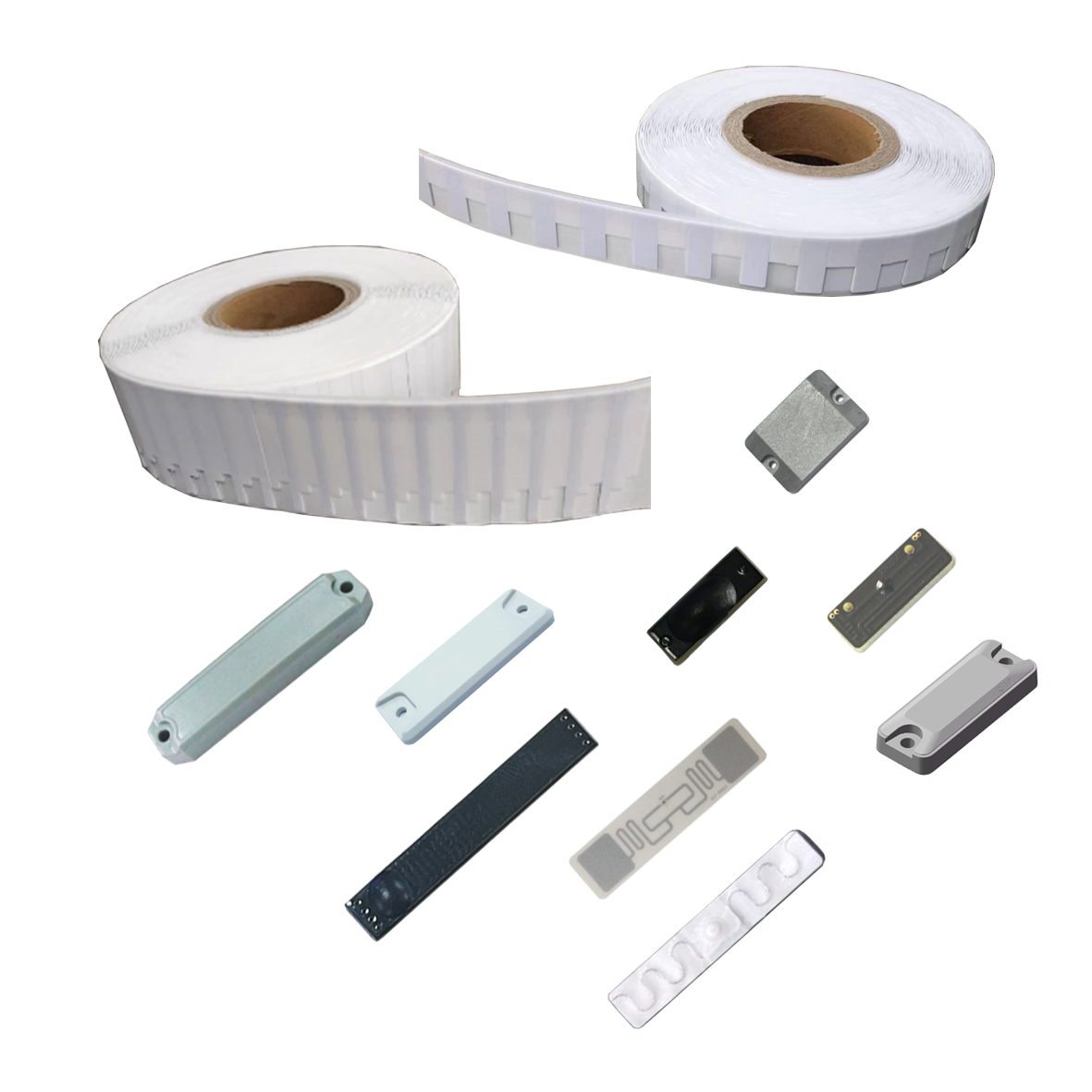
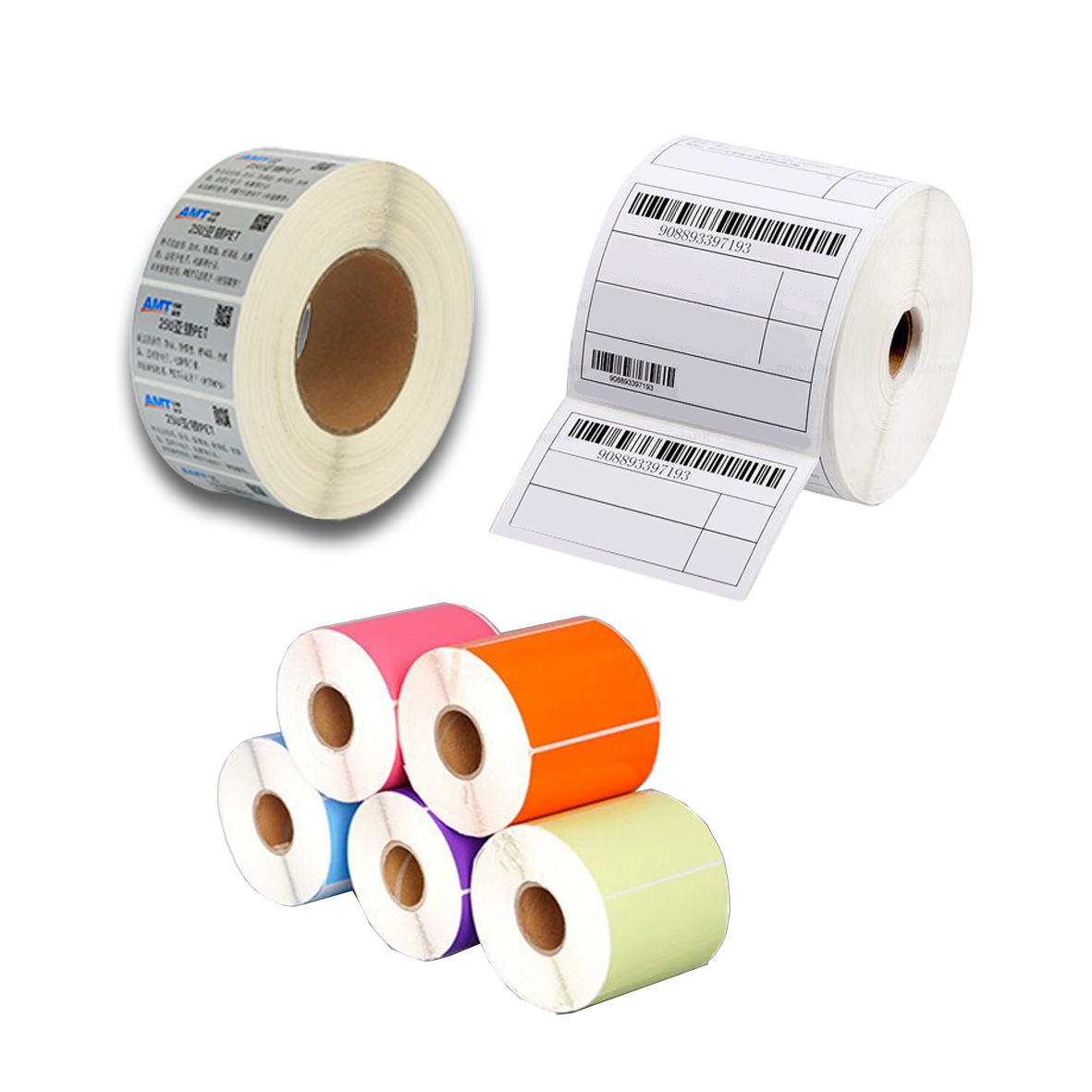
The category of Consumables encompasses a diverse and specialized range of products, each engineered for specific technologies and demanding applications. This includes, but is not limited to: thermal transfer ribbons (wax, wax-resin, resin), direct thermal and thermal transfer label materials (paper, synthetic films, specialty substrates), barcode and RFID labels/tags, printer printheads (as a critical wear item), printer platens and rollers, battery packs for mobile devices, and protective cases and screen protectors. Selecting the correct Consumables is a strategic decision. Subpar or incompatible materials lead to unreadable barcodes, failed RFID reads, printer downtime, and reduced hardware lifespan, resulting in costly errors, process delays, and compliance risks. Therefore, professional-grade Consumables are engineered as precision components, designed in lockstep with the hardware they serve, to deliver optimal performance, durability, and a seamless user experience that protects the integrity of mission-critical business data from creation to point of scan.
Advantages Breakdown
1. Guaranteed Print Quality, Scan Reliability, and Data Integrity
The foremost advantage of using genuine, high-performance Consumables is the assurance of superior output quality and unwavering scan reliability. In printing applications, the precise chemical formulation of a thermal transfer ribbon, combined with the exact coating of a label face stock, ensures the production of sharp, high-contrast barcodes with accurate symbology dimensions. This directly translates to a near-perfect First-Pass Read Rate (FPRR) by scanners, eliminating costly misreads, manual re-keying, and shipping errors. For RFID, the consistent performance of inlays within tags ensures stable read ranges and encoding success. Using optimized Consumables is the primary method of safeguarding data integrity at its physical source—the label or tag itself.
2. Maximized Hardware Performance and Extended Equipment Lifespan
Professional Consumables are engineered to work in perfect harmony with specific hardware models. Using them ensures optimal performance and prevents premature wear and damage. For example, a printer ribbon with the correct coating melt point and thickness protects the delicate heating elements of the printhead from abrasion and burnout. Similarly, label materials with the proper thickness and liner composition prevent premature wear on printer platens and feed mechanisms. High-quality rechargeable battery packs with proper cell chemistry and protection circuits deliver reliable power cycles and prevent damage to the mobile device's power management system. This synergy extends the operational life of capital equipment, reduces unexpected failures, and lowers the total cost of ownership.
3. Operational Consistency and Process Stability
Consistency is paramount in high-volume industrial and logistics environments. Batch-to-batch uniformity in Consumables—such as roll winding tension, adhesive strength, material caliper, and ribbon coating consistency—eliminates variables in the production process. This ensures that label printers, applicators, and dispensers operate smoothly without jams, misfeeds, or application failures. Stable processes built on reliable Consumables minimize unscheduled downtime, reduce operator intervention for troubleshooting, and create a predictable, efficient workflow that can scale with business demands.
4. Durability for Challenging Environments and Compliance Needs
Many operational environments pose significant challenges to labels and tags. Professional-grade Consumables are specifically formulated for durability. This includes:
Chemical Resistance: Labels and ribbons designed to withstand exposure to oils, solvents, and cleaning agents in manufacturing and automotive settings.
Extreme Temperatures: Materials stable in freezer, cold chain, or high-temperature curing and sterilization processes.
Abrasion and Moisture Resistance: Synthetic films and resin-based ribbons that produce labels capable of surviving harsh outdoor weather, frequent handling, and abrasion throughout long supply chains.
Regulatory Compliance: Materials certified for direct food contact (FDA), pharmaceutical compliance, or hazardous material labeling, mitigating regulatory risk.
5. Cost Efficiency through Optimized Yield and Reduced Waste
While the unit price of premium Consumables may be higher, they deliver superior cost-in-use efficiency. High-yield ribbons and large-roll label materials reduce changeover frequency, maximizing productive operator time. Reliable adhesives prevent label fall-off, which can cause costly mis-shipments or asset misidentification. Reduced incidences of printer jams, misreads, and reprints directly lower material waste and associated labor costs. This focus on total operational cost, rather than just purchase price, reveals the true economic value of quality Consumables.
6. Enhanced Safety and User Experience
The right Consumables contribute to a safer and more efficient workplace. Protective cases and screen protectors for handheld terminals prevent damage from drops and impacts, protecting both the device and the user from sharp edges of broken glass. Easy-load designs on printer ribbons and label rolls minimize operator handling time and complexity. Clear, accessible documentation for Consumables, such as material compatibility guides, ensures correct selection and safe usage, preventing application errors.
Technical and Process Highlights (Selling Points)
1. Precision-Engineered Thermal Transfer and Direct Thermal Materials
Advanced Ribbon Formulations: Ribbons are engineered with precise blends of wax, wax-resin, or pure resin. Wax offers economical smudge resistance, wax-resin provides enhanced durability, and pure resin delivers maximum chemical, heat, and abrasion resistance for the most demanding industrial labels. The coating thickness and smoothness are controlled to nanometer tolerances for consistent thermal transfer.
Specialized Face Stock and Adhesive Systems: Label materials consist of a face stock (paper, polypropylene, polyester, polyethylene), a precision adhesive (permanent, removable, ultra-high tack), and a release liner. Each layer is engineered for compatibility. Adhesives are formulated for specific surfaces (corrugated cardboard, curved plastics, low-surface-energy plastics like HDPE), with controlled initial tack and ultimate adhesion strength.
Direct Thermal Chemistry: Direct thermal papers use sophisticated leuco dyes and developers that produce a stable, high-contrast image when heated. Top coatings are applied to enhance resistance to fading from heat, light, and plasticizers, extending the archival life of documents like shipping labels and receipts.
2. High-Performance RFID Inlay and Tag Construction
Optimized Inlay Design: The core of an RFID consumable is the inlay—a microchip connected to a printed, etched, or stamped antenna. The antenna design is tuned for specific frequency performance (UHF, HF/NFC) and is optimized for read range and orientation sensitivity on various materials.
Robust Encapsulation and Lamination: Inlays are converted into durable tags or labels through processes like injection molding (for hard tags), lamination between printed layers, or application with specialty adhesives. This construction protects the delicate inlay from environmental stress, mechanical damage, and electrostatic discharge (ESD).
Specialty Constructions for Challenging Surfaces: RFID Consumables include tags engineered for metal surfaces (using a shielding barrier to detune and allow reading), for embedding into assets, and for withstanding autoclave sterilization cycles in healthcare.
3. Critical Printer Components and Wear Parts
High-Density, Long-Life Printheads: As a consumable, the thermal printhead features a precisely aligned array of microscopic heating elements. Premium printheads use durable substrates like diamond-coated or sapphire-coated glass to resist wear from abrasive labels, ensuring consistent print quality over an extended lifespan measured in print kilometers or years.
Precision Mechanical Components: Platen rollers and feed rollers are manufactured from durable, high-friction materials with specific durometers (hardness) to provide consistent media advance without slippage. Their design ensures even pressure across the entire print width, which is critical for print quality and printhead life.
4. Power Systems for Mobile Productivity
Intelligent Battery Packs: These are not simple cells but integrated power systems. They include high-density lithium-ion or lithium-polymer cells, fuel gauging circuitry for accurate battery level reporting, thermal protection, and communication chips that validate authenticity and compatibility with the host device to ensure safe, reliable operation.
Charging Ecosystems: This includes multi-bay charging stations, vehicle chargers, and single-unit cradles designed to provide the correct charging algorithm (CC/CV) and communication protocol to efficiently and safely charge the intelligent battery packs without degrading their lifespan.
5. Protection and Preservation Accessories
Ruggedized Cases and Holsters: Made from materials like polycarbonate, TPU, or reinforced nylon, these Consumables are custom-molded to specific device models. They offer protection against drops, dust, and water while providing functional access to scanning triggers, screens, and ports.
Industrial-Grade Screen Protection: Applied screen protectors use hardened glass or durable polymer films with oleophobic coatings to resist scratches from styli, keys, and abrasive debris while maintaining touchscreen sensitivity and clarity.
6. Comprehensive Compatibility and Supply Chain Assurance
Vendor Certification and Validation: Leading AIDC hardware manufacturers rigorously test and certify specific Consumables to ensure flawless interoperability. Using these validated supplies often maintains the manufacturer's warranty on the core hardware.
Batch Traceability and Quality Control: Professional consumable suppliers implement strict quality control from raw material sourcing to finished goods, with batch-level traceability. This guarantees consistency and provides accountability, which is critical for regulated industries.
Application-Specific Solution Portfolios: Suppliers offer curated portfolios of Consumables tailored for vertical markets—such as retail shelf-edge labeling, cold chain logistics, manufacturing work-in-process, or healthcare patient ID—simplifying selection and ensuring application success.


 EN
EN