Page Introduction
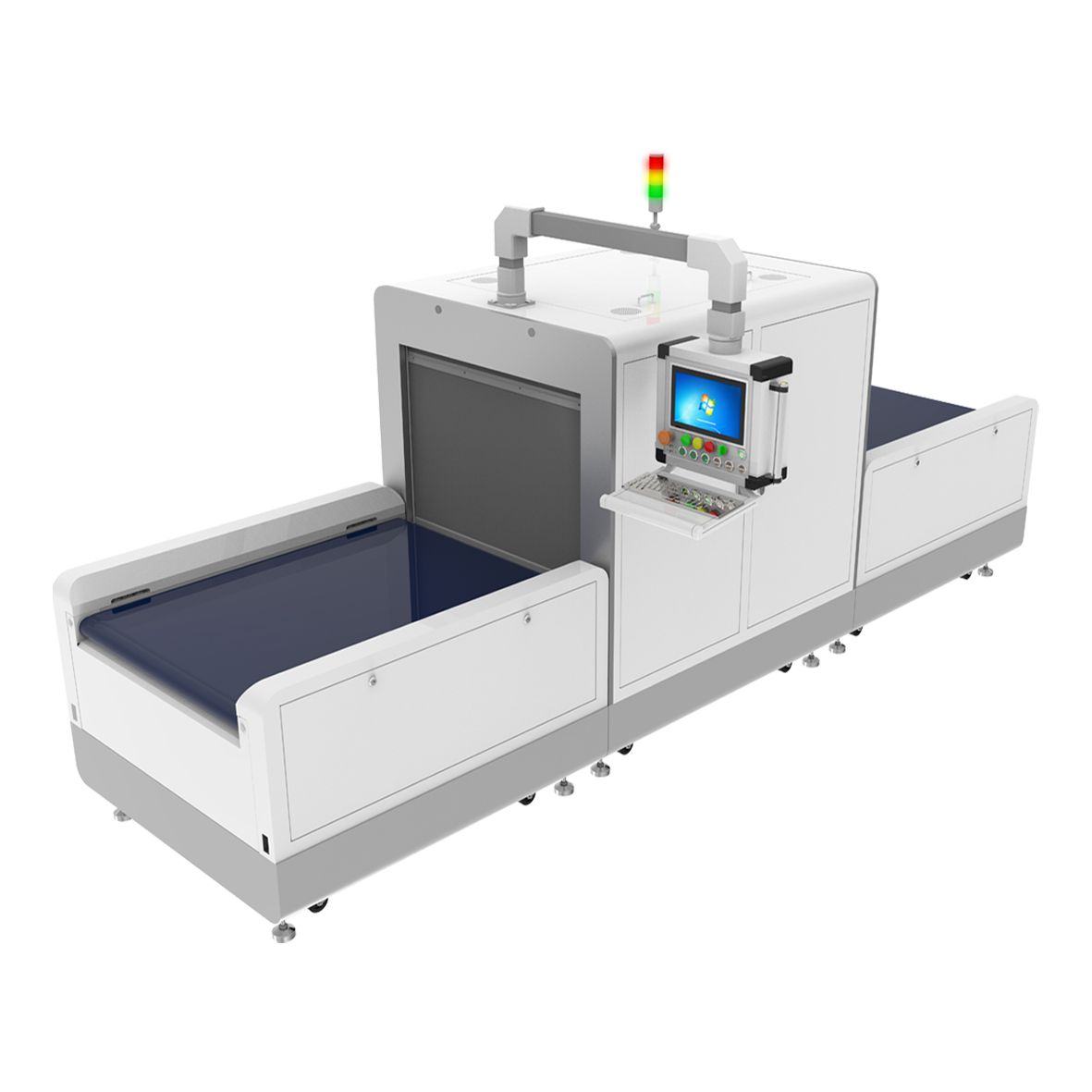
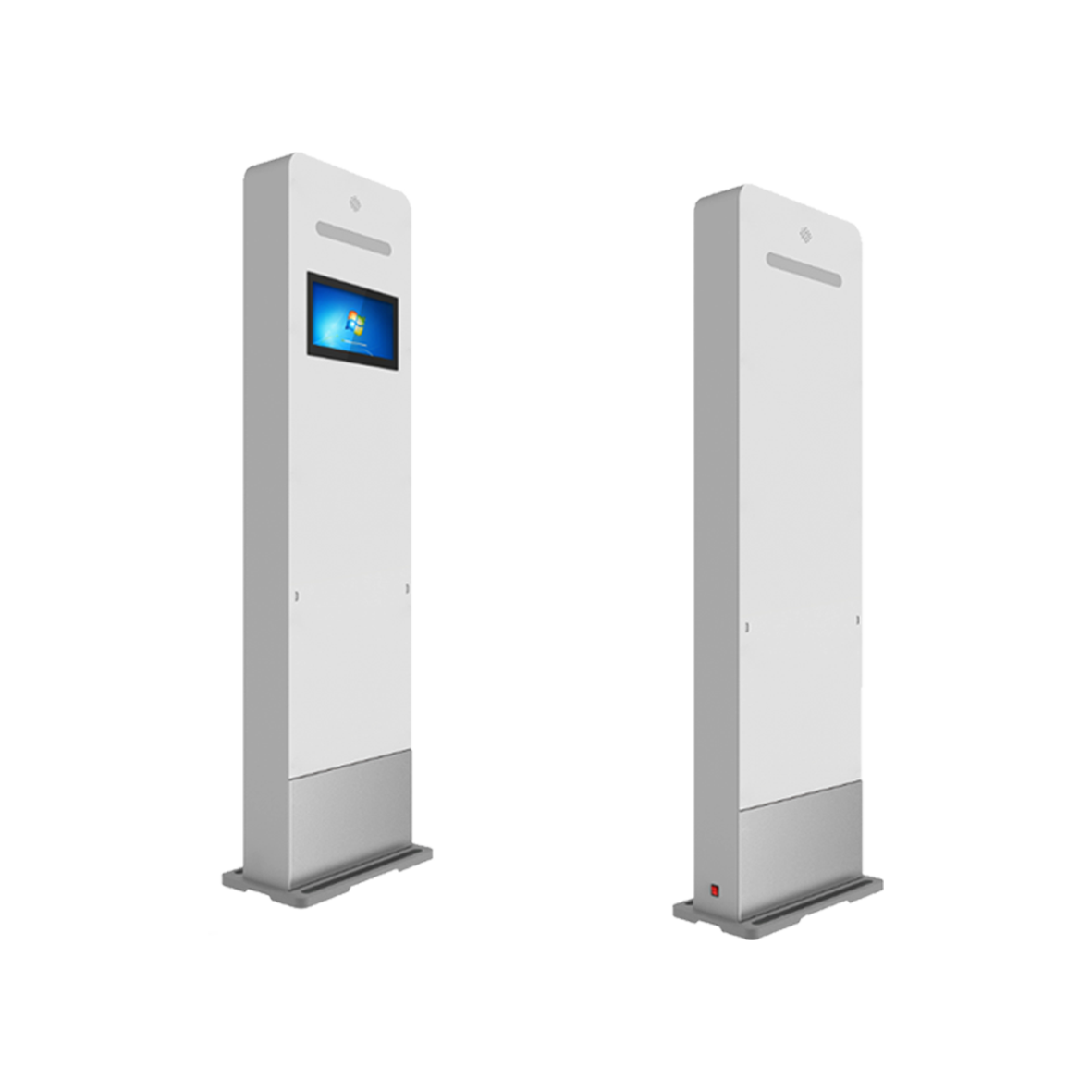
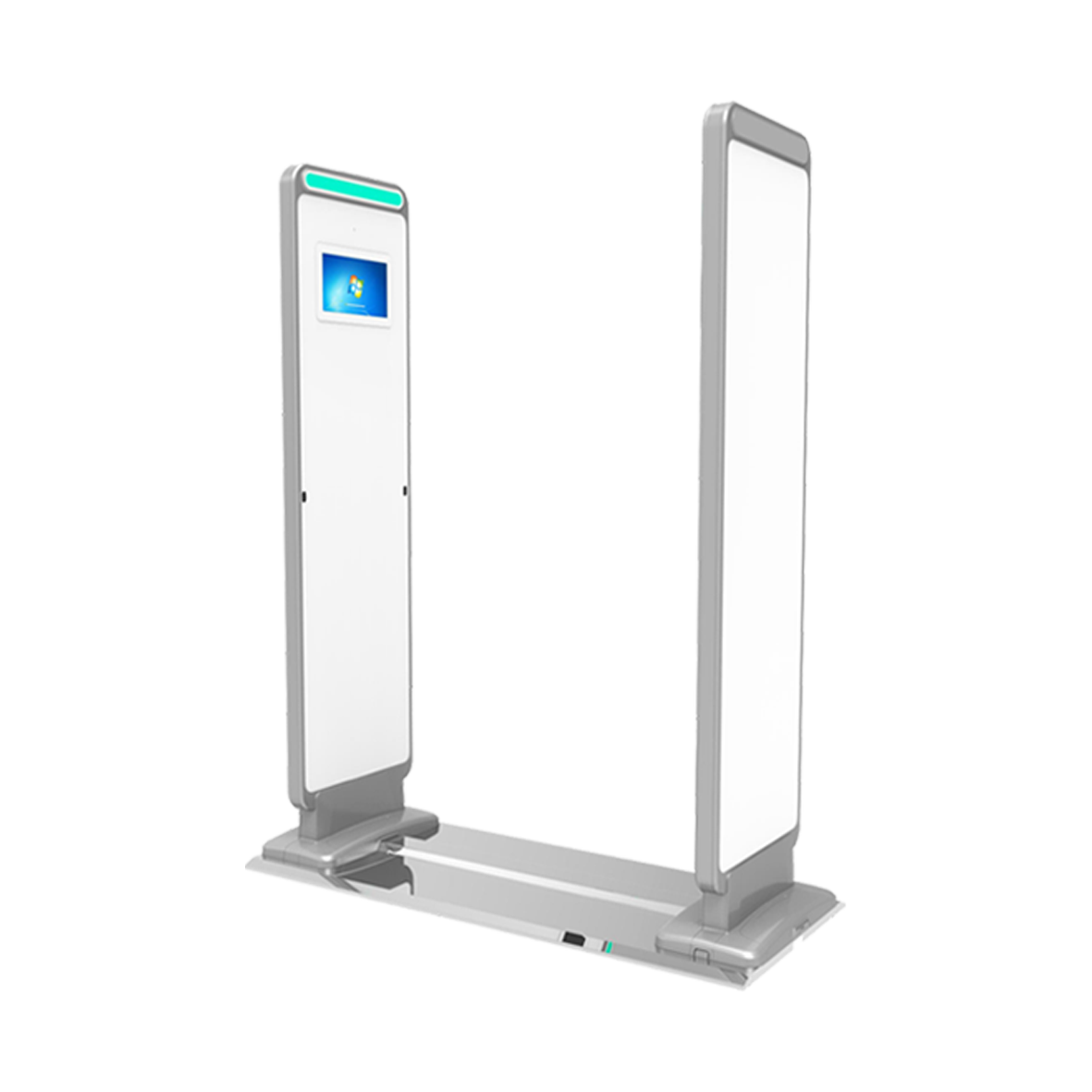
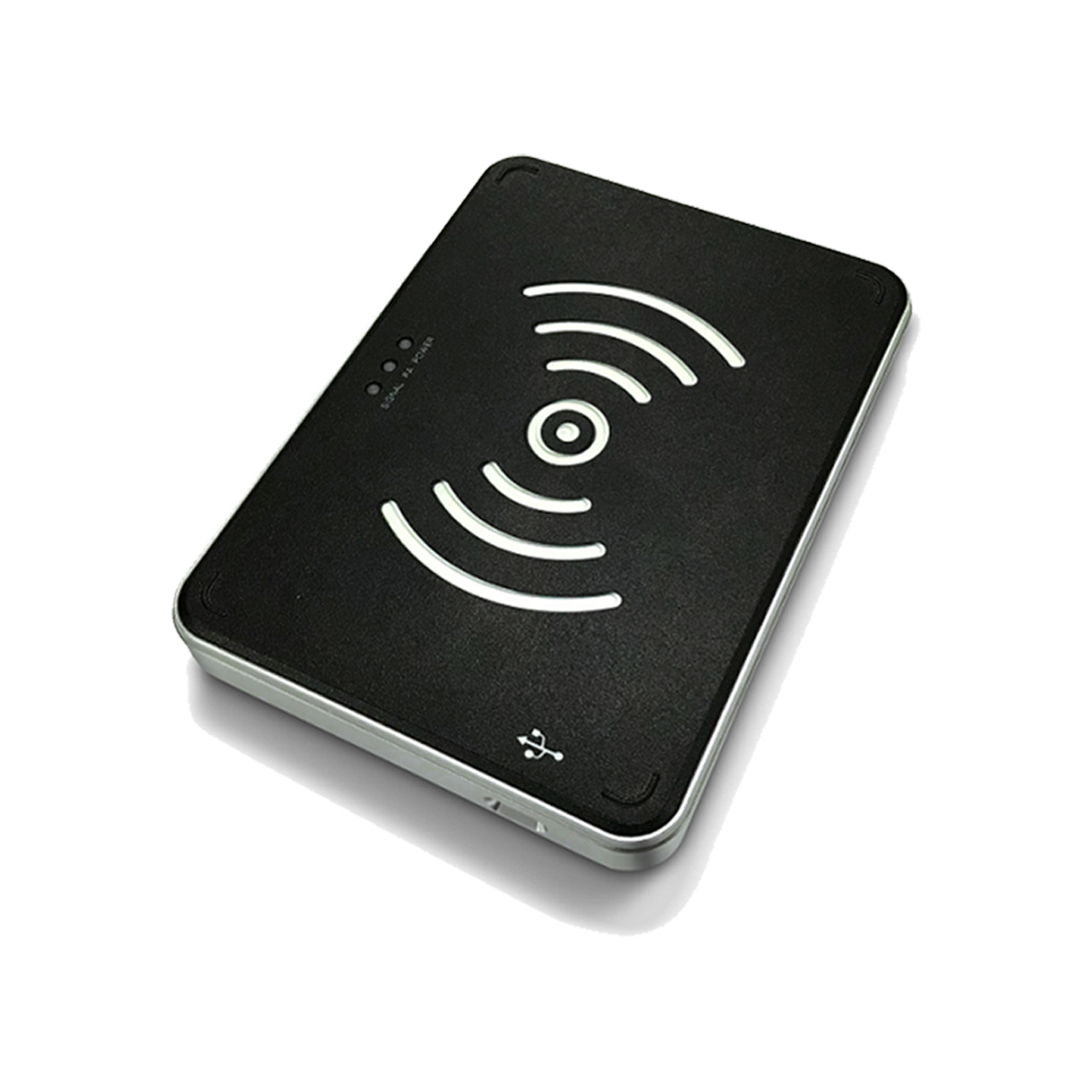
RFID Equipment represents a transformative class of automatic identification and data capture (AIDC) technology that uses radio frequency waves to wirelessly identify, track, and manage tagged items, assets, or individuals without the need for direct line-of-sight. Unlike barcode systems that require visual access to each label, an RFID Equipment ecosystem operates by having a reader/interrogator emit a radio signal that powers or activates a tiny microchip and antenna embedded in an RFID tag or label attached to an object. This tag then responds by transmitting its unique identification data and, in the case of more advanced tags, additional stored information back to the reader. This foundational capability enables the simultaneous, bulk reading of multiple tags within a read zone, revolutionizing processes in supply chain management, inventory control, asset tracking, access control, and retail.
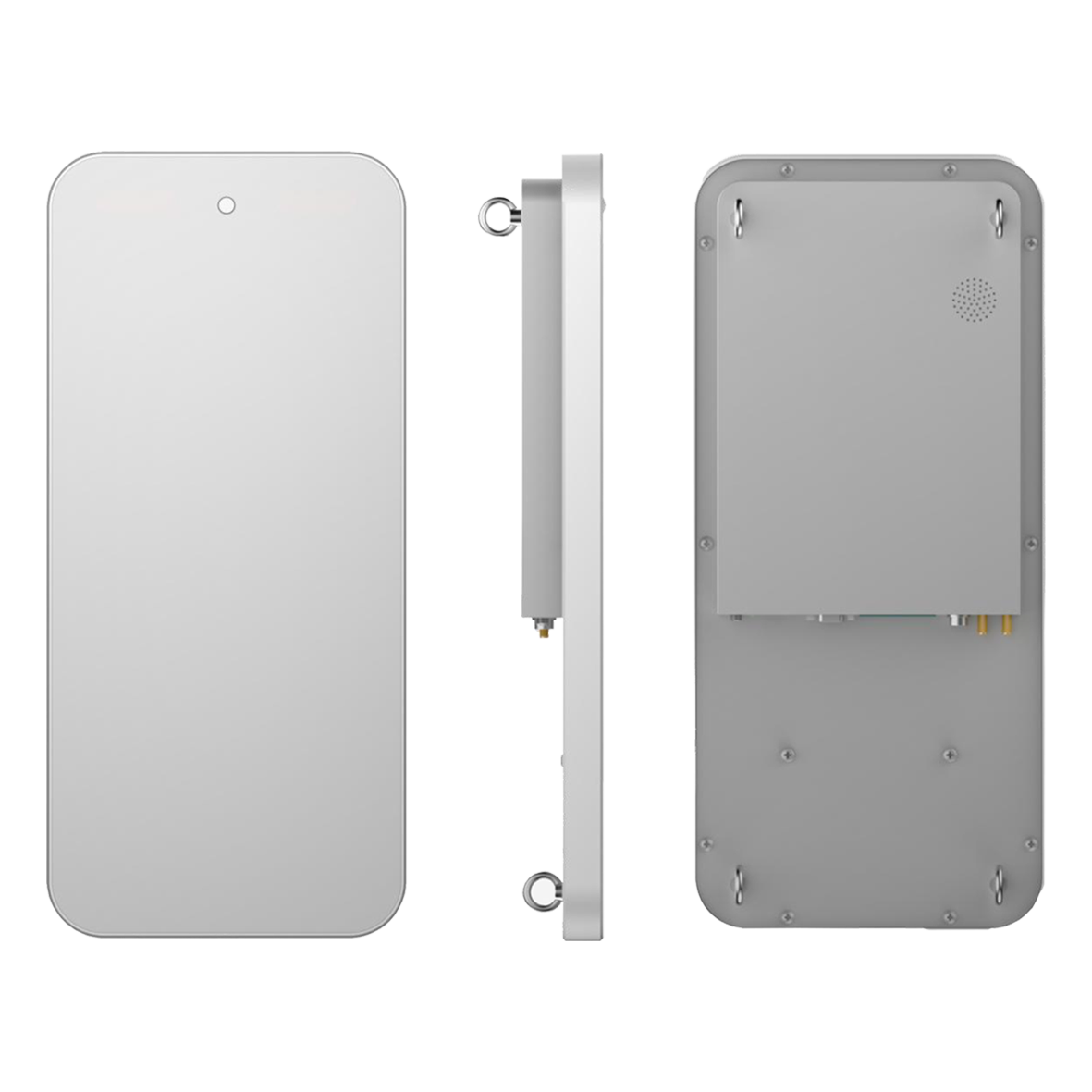
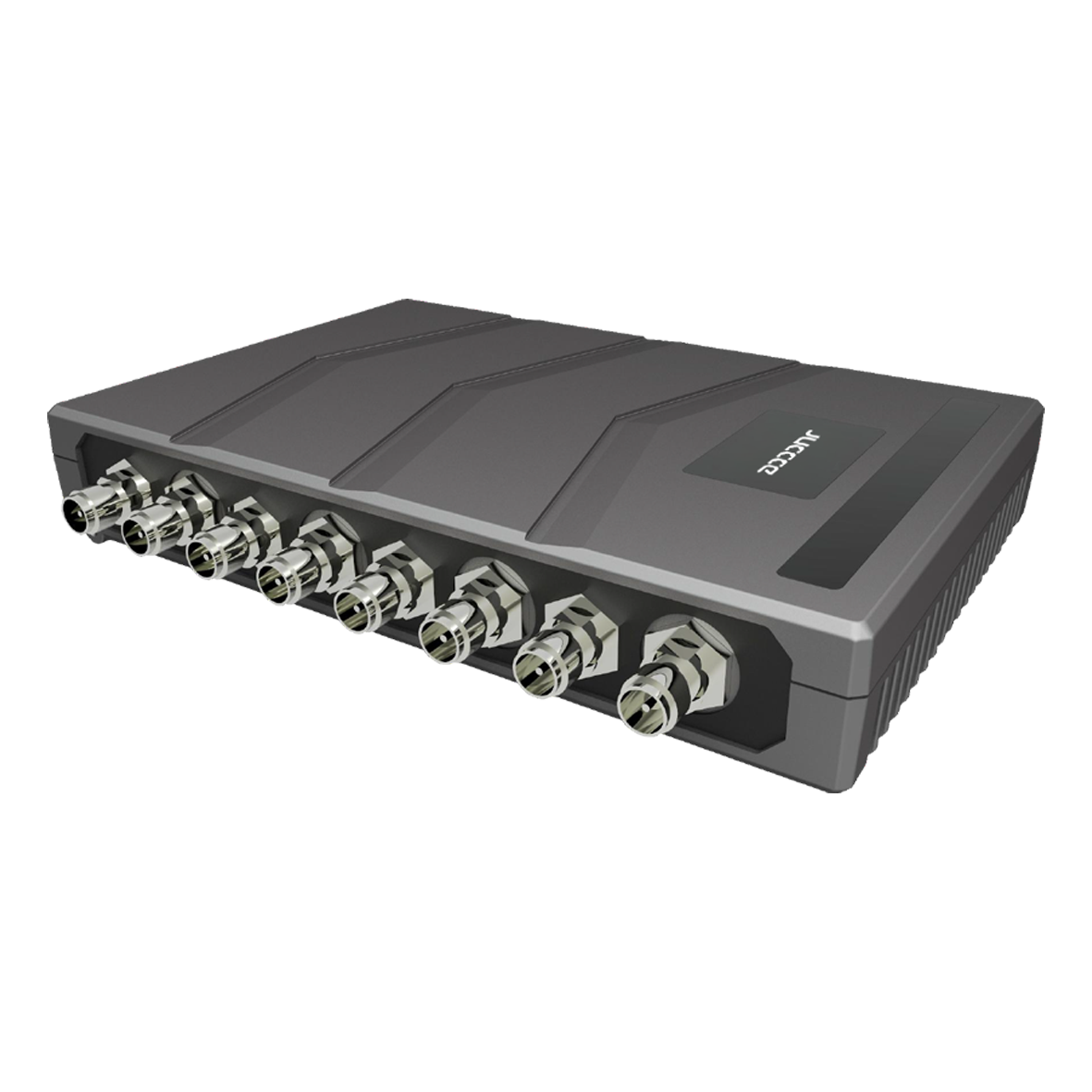
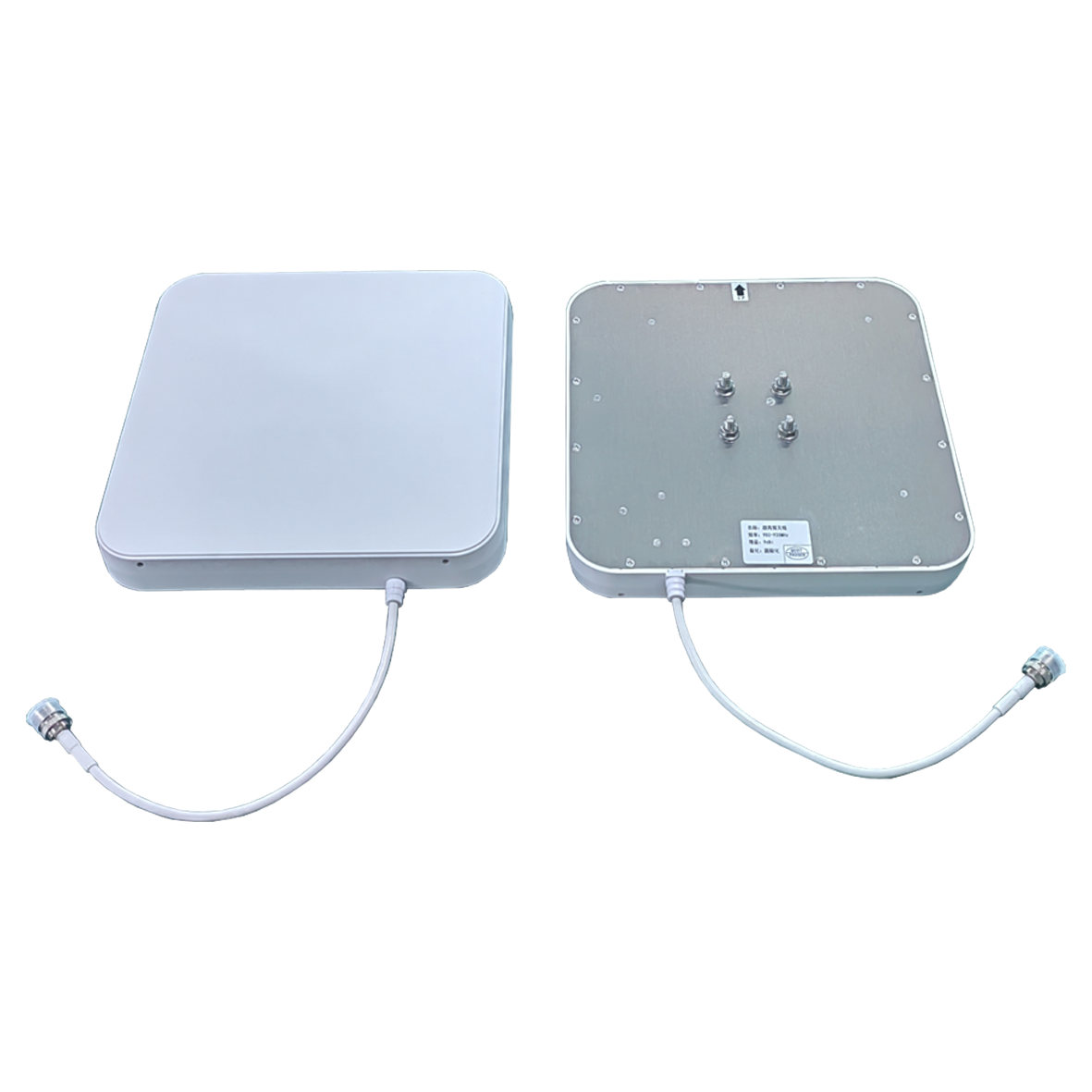
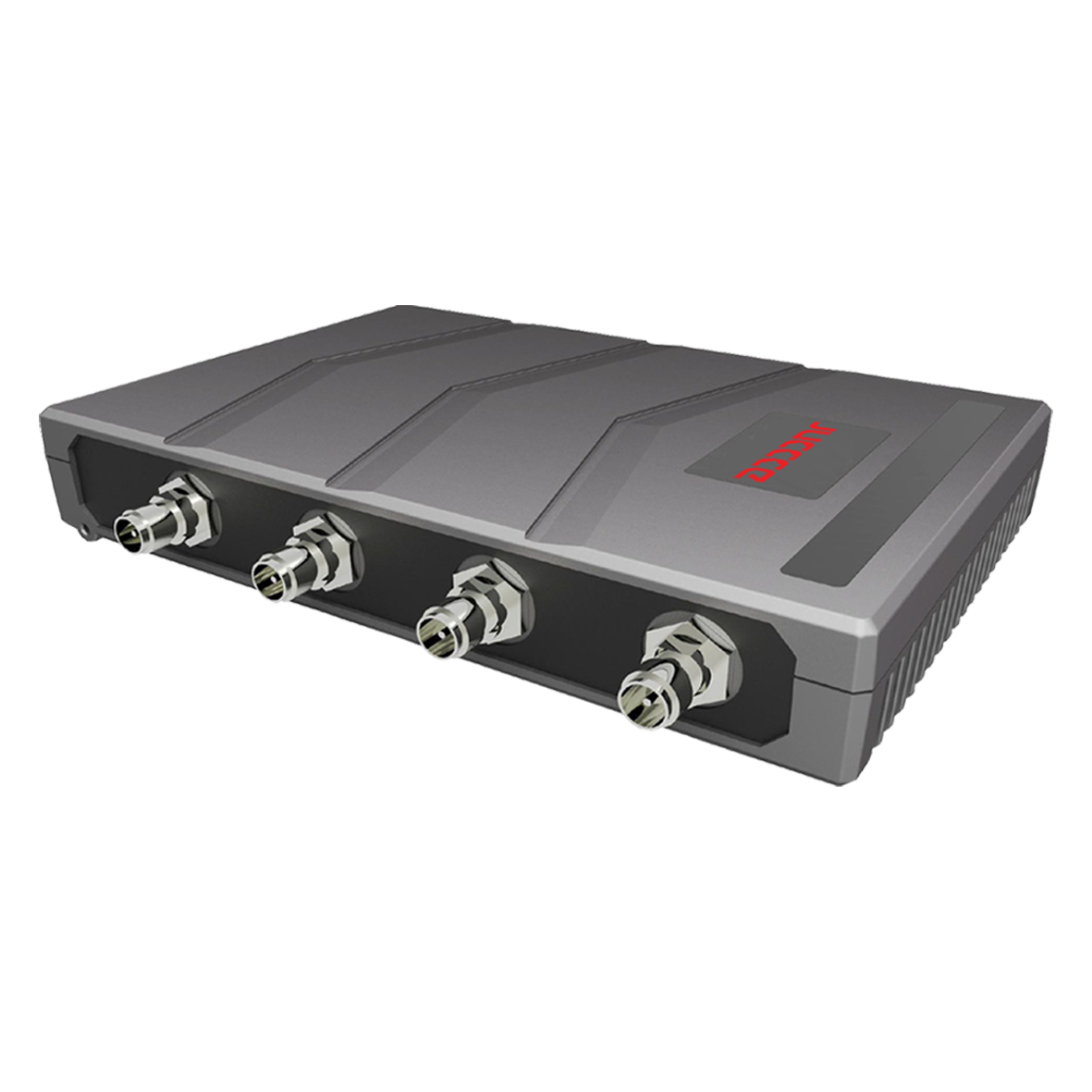
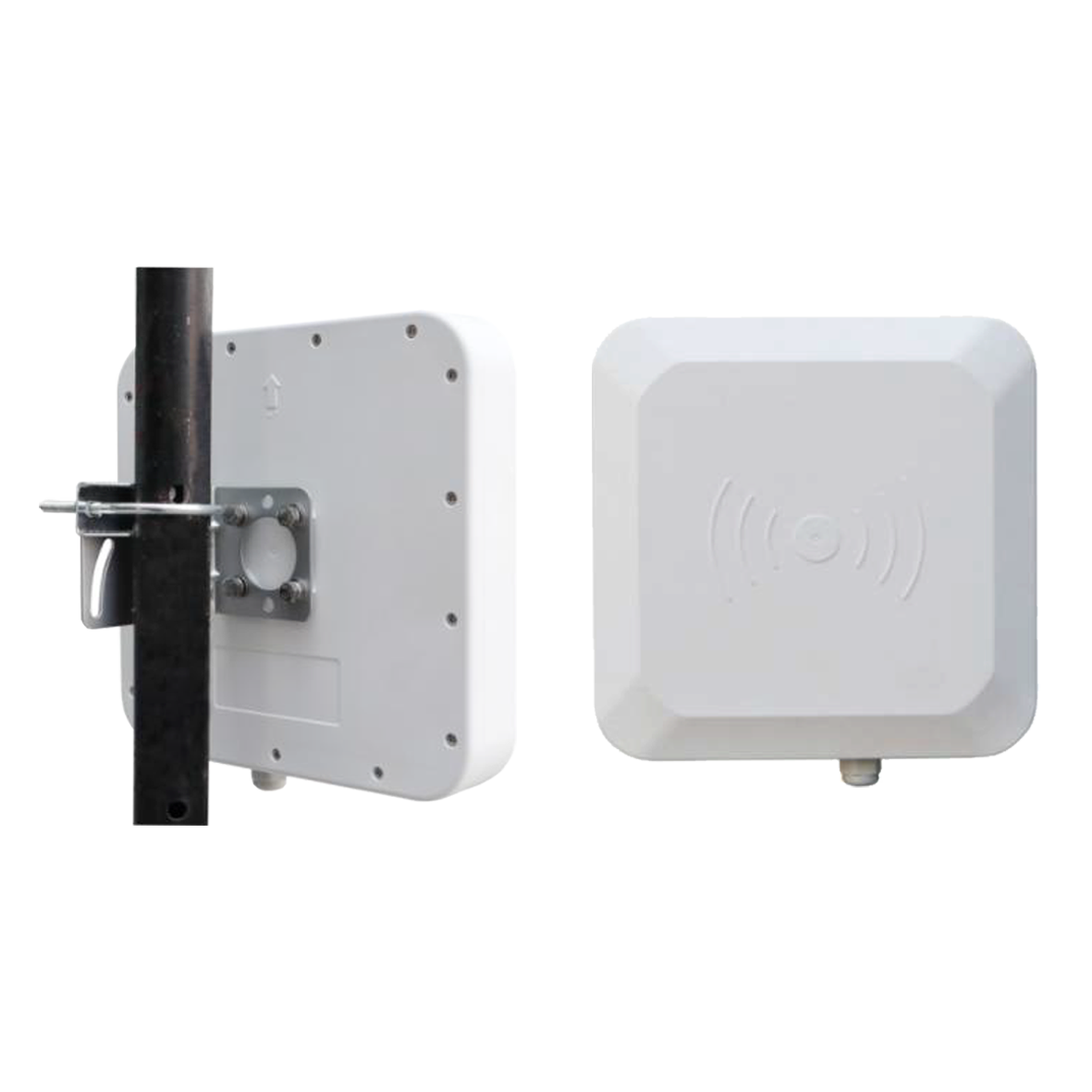
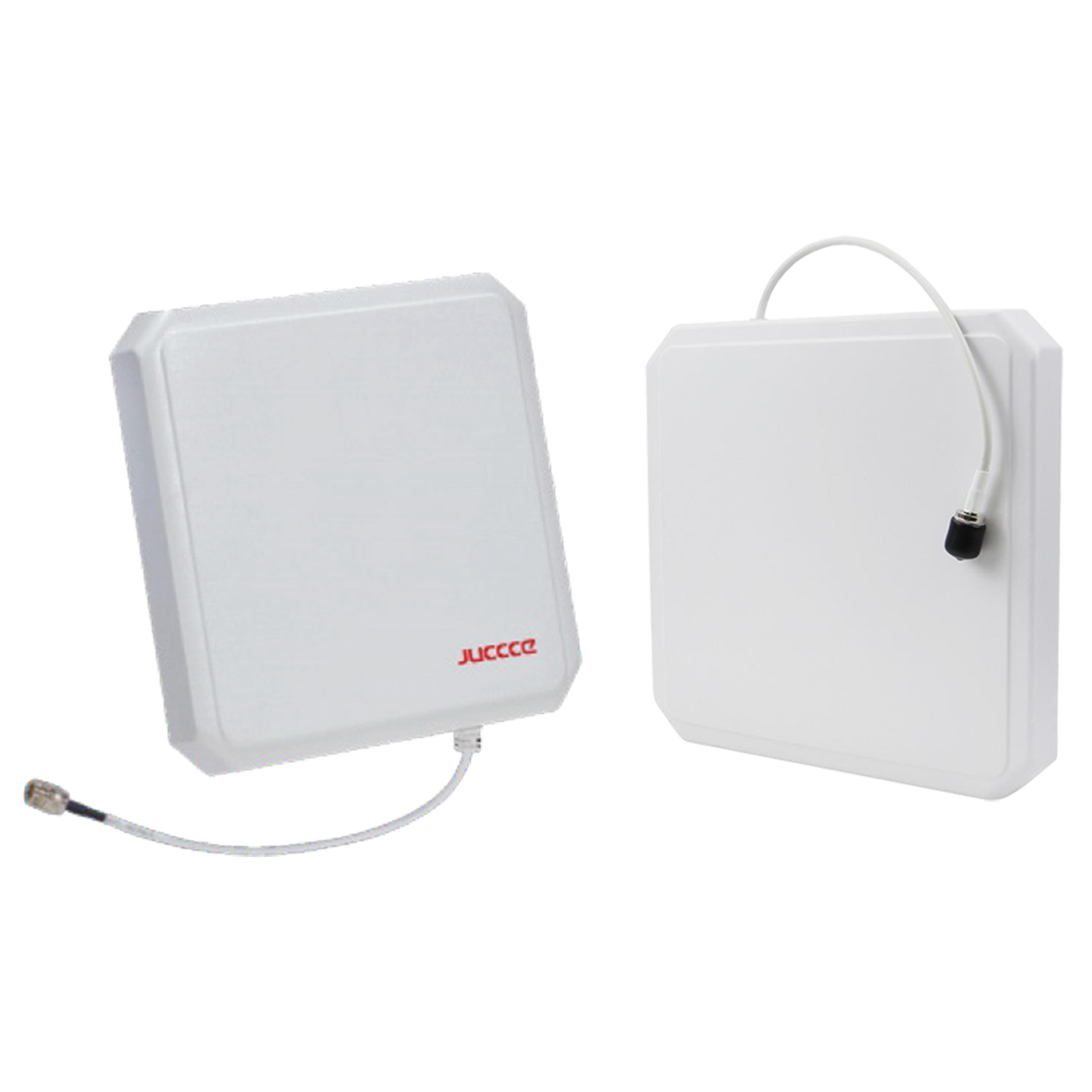
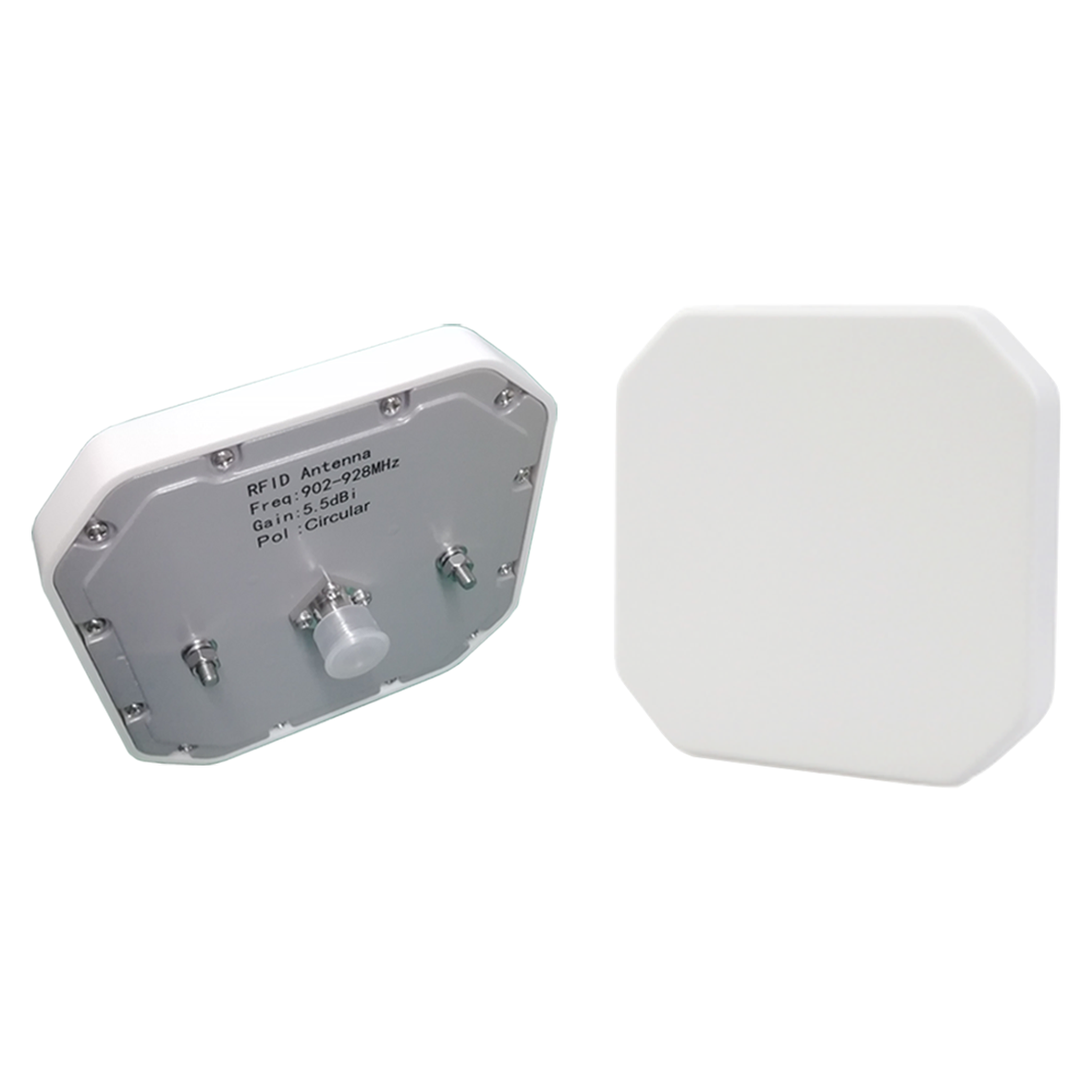
A complete RFID Equipment solution is a sophisticated system comprising several key hardware components: RFID Readers (fixed, mobile, or integrated), RFID Antennas (which shape and direct the RF field), RFID Tags/Labels (in various forms like passive, active, or semi-passive), and supporting RFID Software for device management, data filtering, and integration. The technology operates across different frequency bands—Low Frequency (LF), High Frequency (HF/NFC), and Ultra-High Frequency (UHF)—each with distinct characteristics for range, data speed, and environmental penetration, making RFID Equipment highly versatile. From enabling a retailer to perform a full inventory count of a store in minutes instead of days to allowing a manufacturer to track a component through every stage of assembly in real-time, RFID Equipment is the cornerstone of the Internet of Things (IoT) for physical assets, providing unprecedented levels of visibility, accuracy, and automation in business operations.
Advantages Breakdown
1. Unparalleled Efficiency through Bulk, Non-Line-of-Sight Reading
The most significant operational advantage of RFID Equipment is its ability to read hundreds of tagged items simultaneously within a controlled RF field, without requiring individual visual alignment. A worker can simply move a pallet of goods through a portal equipped with RFID Equipment, or walk down an aisle with a handheld RFID reader, and capture data from every tag in seconds. This eliminates the tedious, item-by-item scanning required with barcodes, slashing the time for tasks like inventory audits, receiving shipments, and cycle counts by over 90%. The non-line-of-sight capability means tags can be read when inside boxes, under other items, or when obscured, dramatically streamlining workflows.
2. Superior Data Accuracy and Real-Time Visibility
RFID Equipment drastically reduces human error associated with manual counts or missed scans. Automated, system-driven reads ensure that every tagged item passing a reader is logged, providing a complete and accurate dataset. This real-time, item-level data feeds directly into enterprise systems, offering managers live visibility into the exact location, movement, and status of assets and inventory. This enables proactive management, such as preventing stockouts, locating critical tools instantly, or verifying shipment contents automatically, leading to more informed decision-making and a single, reliable source of truth.
3. Enhanced Durability, Reusability, and Data Capacity
RFID Tags, a core component of RFID Equipment, are inherently more robust than printed barcode labels. They can be encased in protective materials to withstand harsh environments involving dirt, moisture, chemicals, and extreme temperatures. Many tags are designed for reuse over many years, offering a lower total cost of ownership for tracking high-value returnable assets like containers, trolleys, or tools. Furthermore, RFID tags possess rewritable memory, allowing them to store dynamic data beyond just a static ID—such as maintenance history, expiration dates, or process milestones—which travels with the item itself.
4. Automation of Complex Processes and Security Enhancement
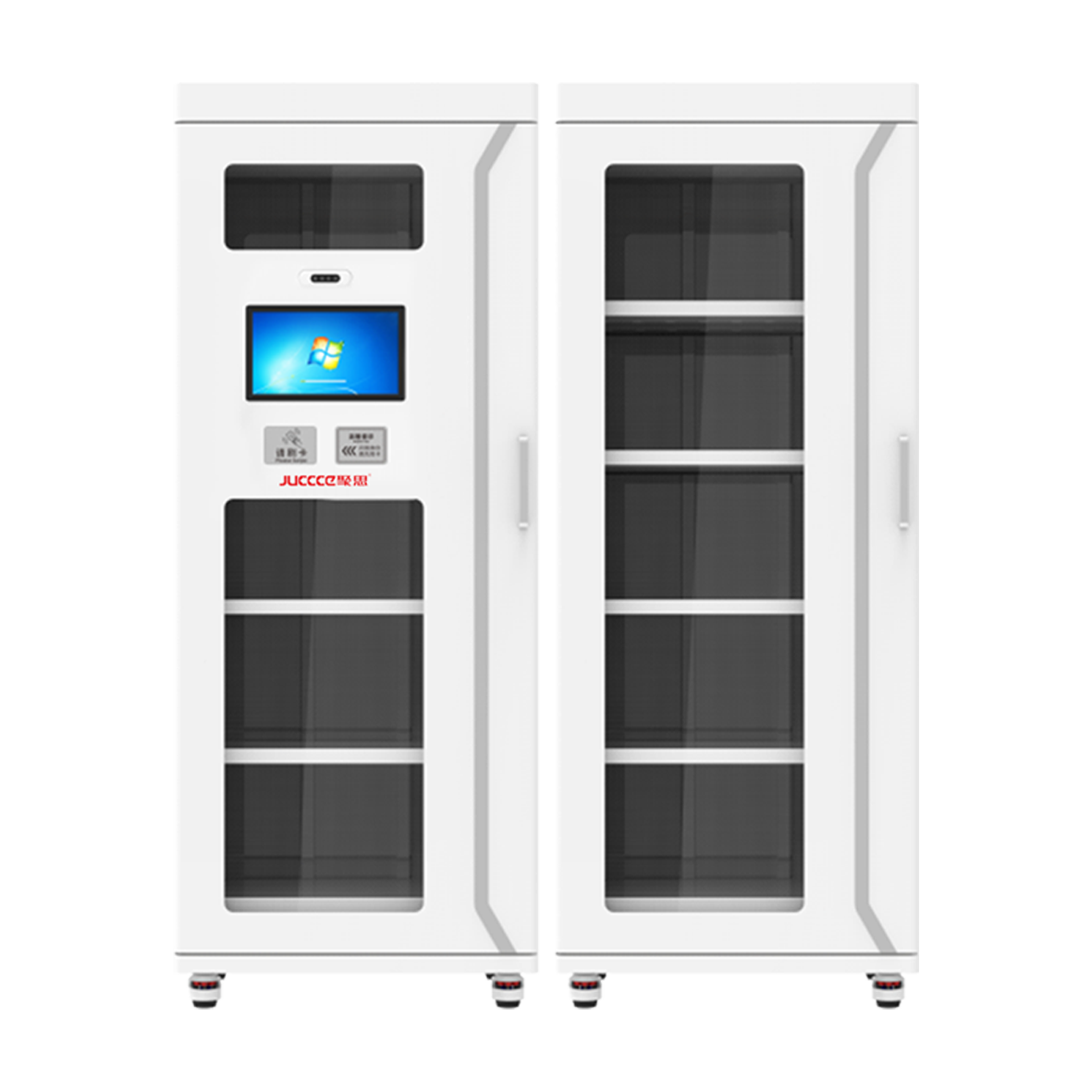
RFID Equipment enables the automation of previously manual or semi-automated processes. Fixed readers at doorways can automatically record goods movement for receiving and shipping. In manufacturing, RFID-tagged fixtures on an assembly line can trigger machine settings automatically. In retail, smart shelves with embedded RFID Equipment can detect inventory levels and even prevent theft. For access control and asset security, the unique, difficult-to-clone identifier in an RFID badge or tag provides a strong layer of authentication, enabling secure entry to facilities or tracking of high-value items leaving a controlled area.
5. Long-Term Cost Savings and Operational Resilience
While the initial investment in RFID Equipment can be higher than barcode systems, the long-term return on investment (ROI) is compelling. Savings are realized through massive reductions in labor hours for counting and checking, elimination of manual data entry errors, reduction of inventory shrinkage and loss, and optimization of asset utilization. The automation and accuracy also build operational resilience by making supply chains more transparent and responsive to disruption, reducing downtime spent searching for items, and ensuring regulatory compliance through accurate traceability records.
6. Foundation for Advanced Analytics and IoT Integration
The granular, real-time data generated by RFID Equipment serves as a rich feedstock for advanced analytics and business intelligence platforms. Patterns in asset movement, inventory turnover rates, and process flow can be analyzed to identify inefficiencies, predict maintenance needs, and optimize spatial layouts. As a core enabler of the IoT, RFID Equipment connects physical objects to the digital world, allowing them to be part of smart systems for predictive logistics, dynamic pricing in retail based on shelf stock, and automated replenishment, driving innovation and competitive advantage.
Technical and Process Highlights (Selling Points)
1. Advanced Reader Technology and Performance
High-Sensitivity, Multi-Protocol Readers: Modern RFID Readers feature highly sensitive receivers and powerful transmitters capable of reading tags at extended ranges (for UHF, up to 10+ meters). They support dense reader mode and anti-collision protocols to operate effectively in environments with many readers, ensuring reliable performance in complex deployments.
Integrated Processing and Filtering: Onboard processing in fixed and handheld readers allows for data filtering, aggregation, and basic logic execution at the edge, reducing network load and speeding up application response times.
Flexible Form Factors and Integration: Readers come as fixed enterprise models, ruggedized handhelds, sleds for mobile devices, and embedded modules for integration into vehicles, kiosks, or machinery, offering deployment flexibility.
2. Precision Antenna Design and Configuration
Diverse Antenna Patterns and Gains: RFID Antennas are engineered with specific radiation patterns (linear, circular) and gains to shape the interrogation zone precisely. This allows for targeted reads in portals, tunnels, conveyor belts, or shelf setups, minimizing stray reads and maximizing accuracy.
Durable Industrial Build: Antennas are housed in IP-rated, impact-resistant enclosures suitable for industrial and outdoor use. Arrays of multiple antennas can be connected to a single reader via multiplexers to create extensive coverage zones.
Tunable and Optimizable: Professional-grade antennas and readers often feature software-tunable parameters to fine-tune the RF field for specific environments and tag types, optimizing read rates.
3. Sophisticated Tag/Label Engineering
Specialized Inlay Designs: The heart of a tag, the RFID inlay (chip + antenna), is engineered for specific performance criteria: range, orientation sensitivity, and material compatibility. Designs are optimized for use on metal (with a protective barrier), liquids (tuned for RF penetration), or embedded in harsh environments.
Wide Variety of Form Factors: RFID Tags are available as hard tags, labels, cards, fobs, wristbands, and even washable laundry tags. They can be customized in size, shape, and encapsulation to meet specific application needs, from tracking tiny pharmaceutical vials to large industrial containers.
Memory and Sensor Integration: Higher-functionality tags include expanded user memory (up to several kilobytes) and can integrate sensors to record and transmit data on temperature, shock, humidity, or pressure, enabling condition monitoring.
4. Robust Software and System Architecture
Device Management and Monitoring: Centralized RFID Software platforms allow for the configuration, monitoring, and firmware updates of entire reader fleets, ensuring system health and simplifying maintenance.
Advanced Event Management and Data Integration: Middleware software filters raw tag read events, applies business logic (e.g., "generate an alert if asset X leaves zone Y"), and seamlessly integrates clean, actionable data into WMS, ERP, or CMMS systems via APIs or standard connectors.
Comprehensive Application Support: Software suites provide tools for encoding/printing RFID labels, simulating read environments, and developing custom applications tailored to specific workflows like production control, parking management, or library systems.
5. Industry-Specific Solution Engineering
Retail & Apparel: Focus on high-speed, high-volume item-level tagging with small, discreet labels and tunnel/portal readers for rapid checkout and inventory.
Logistics & Warehousing: Emphasis on pallet/case-level tracking with rugged tags, portal readers at dock doors, and handhelds for cycle counts, integrated with WMS for real-time location updates.
Manufacturing & Work-in-Process (WIP): Uses reusable or high-temp tags on totes, fixtures, and parts to track progress on assembly lines and manage kanban systems.
Healthcare & Life Sciences: Utilizes tags compliant with sterilization processes for tracking surgical instruments, HF/NFC for patient wristbands and medication authentication, and temperature-logging tags for cold chain monitoring.


 EN
EN