Page Introduction
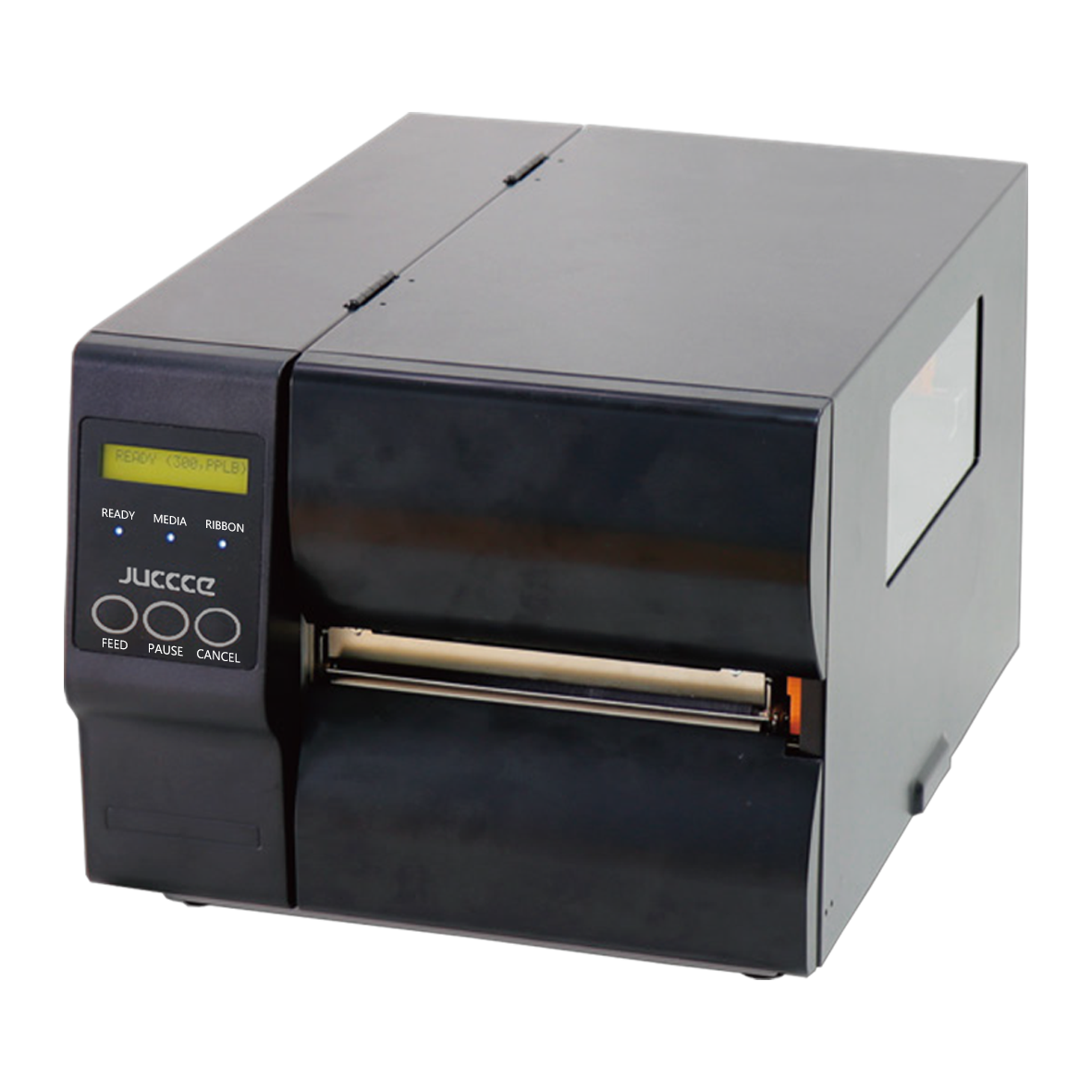
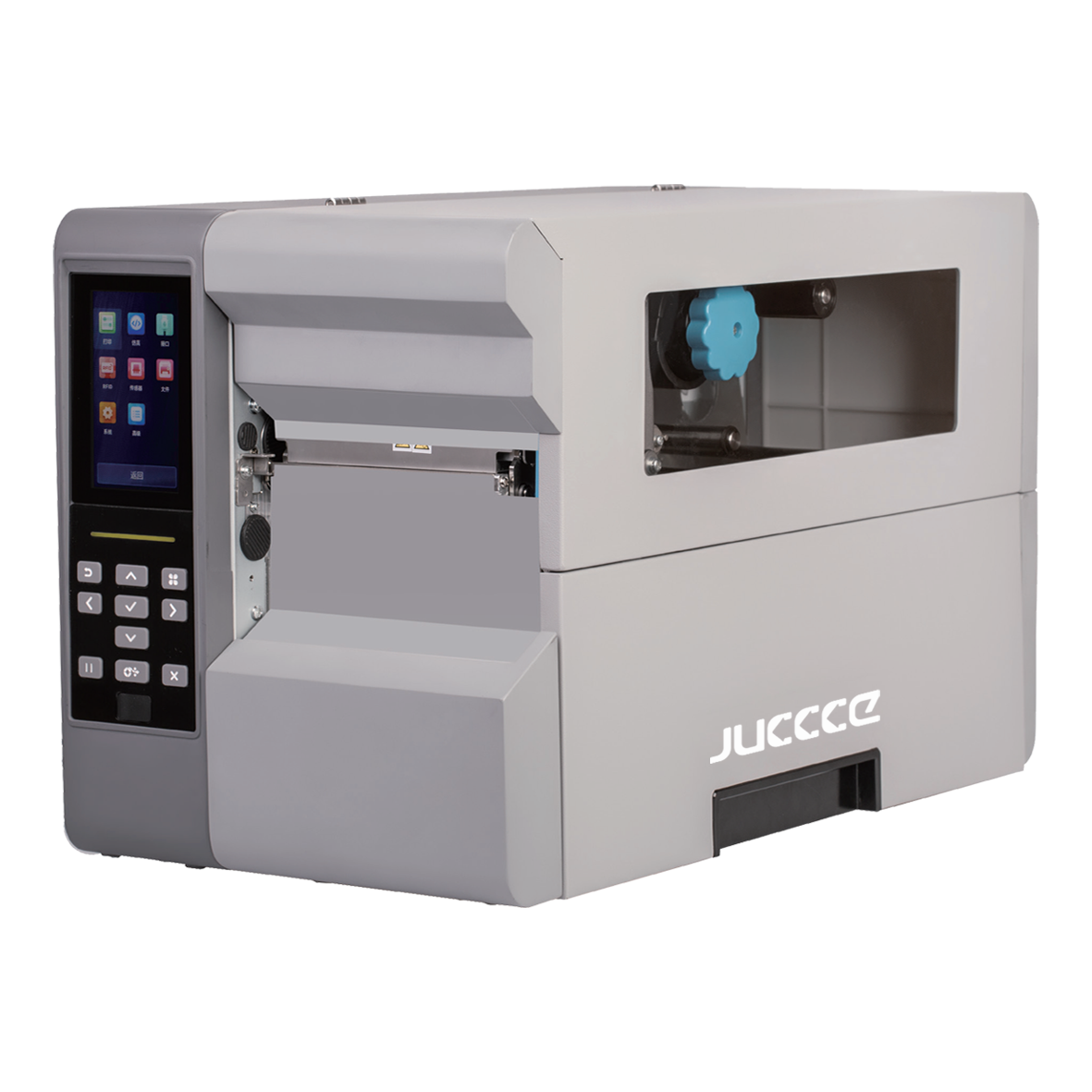
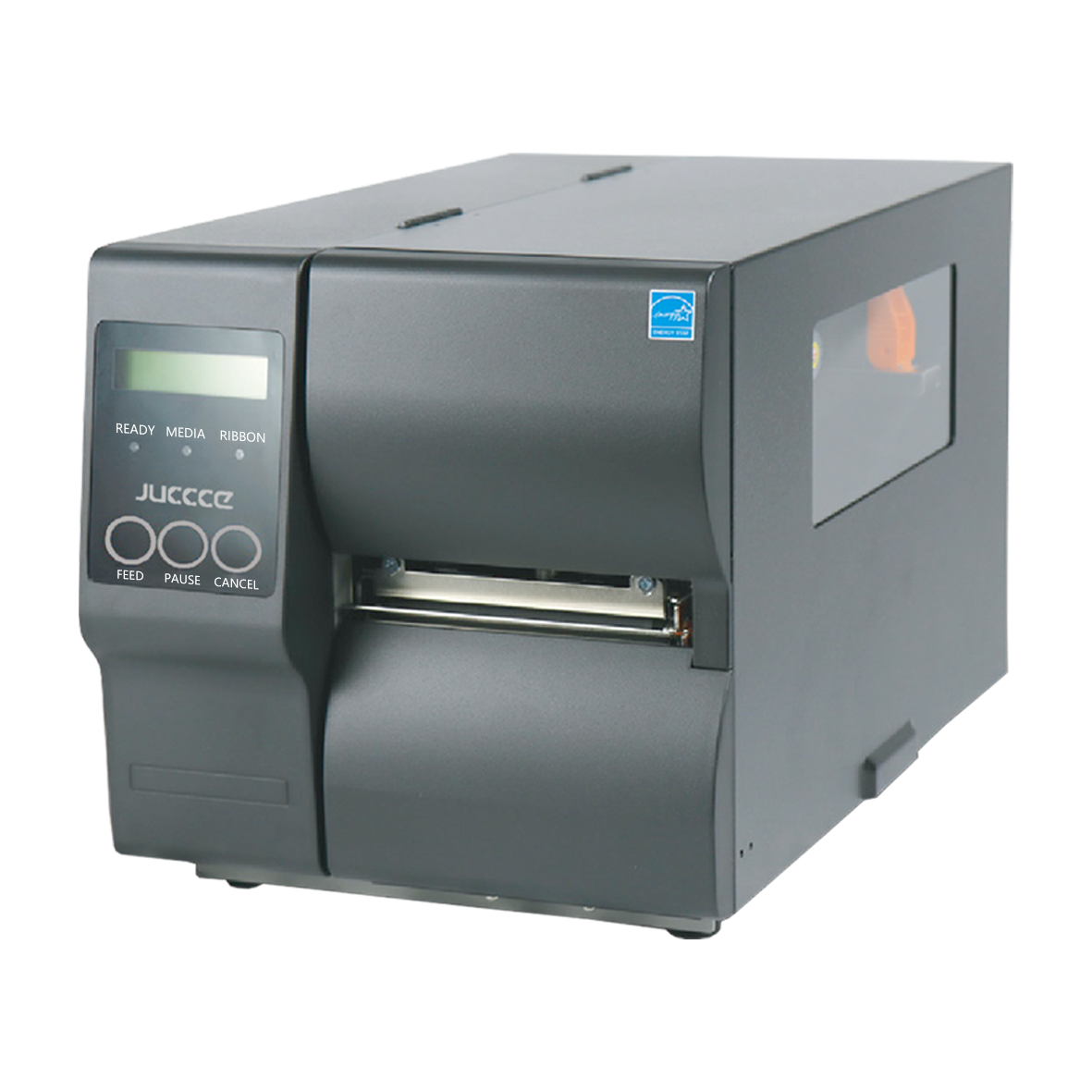
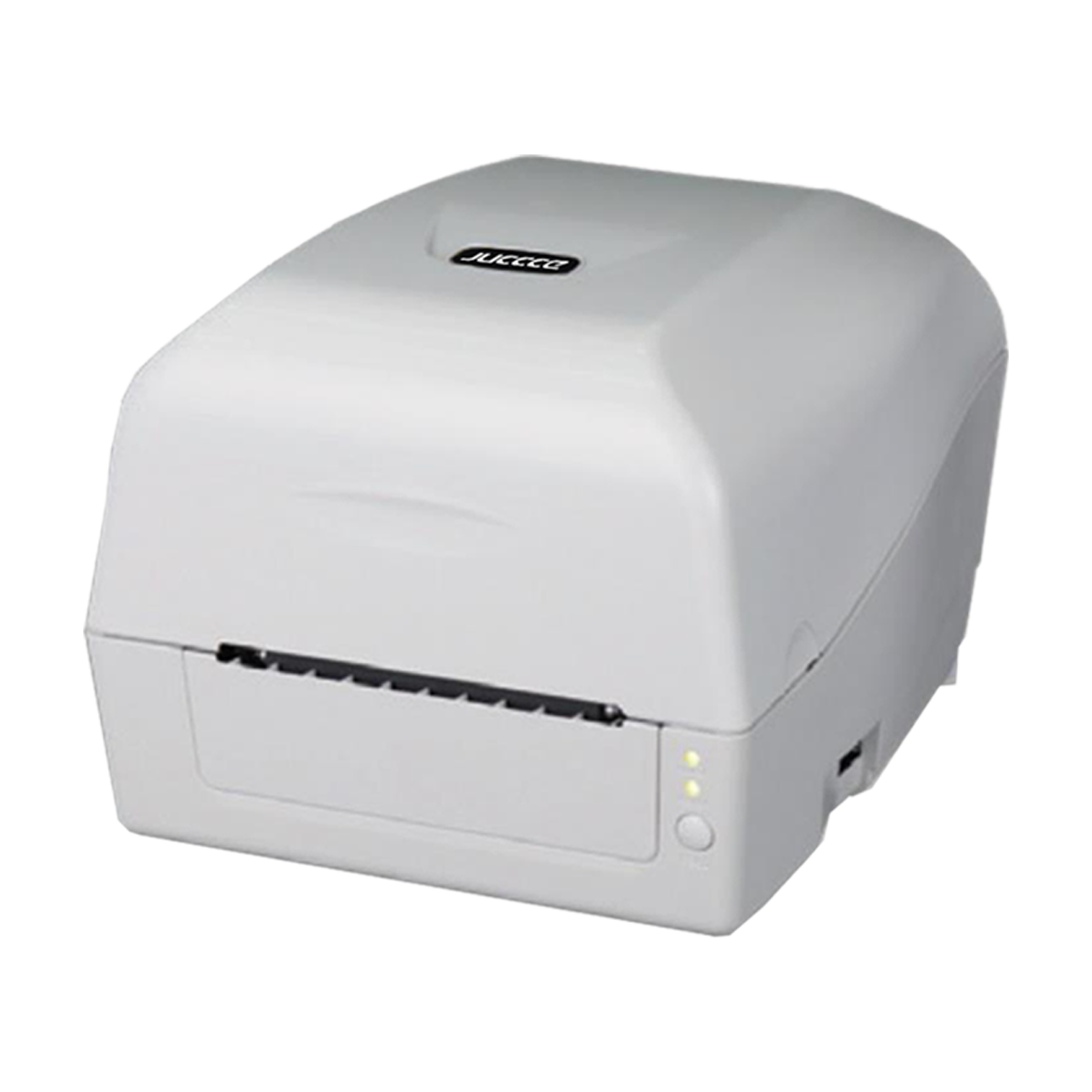
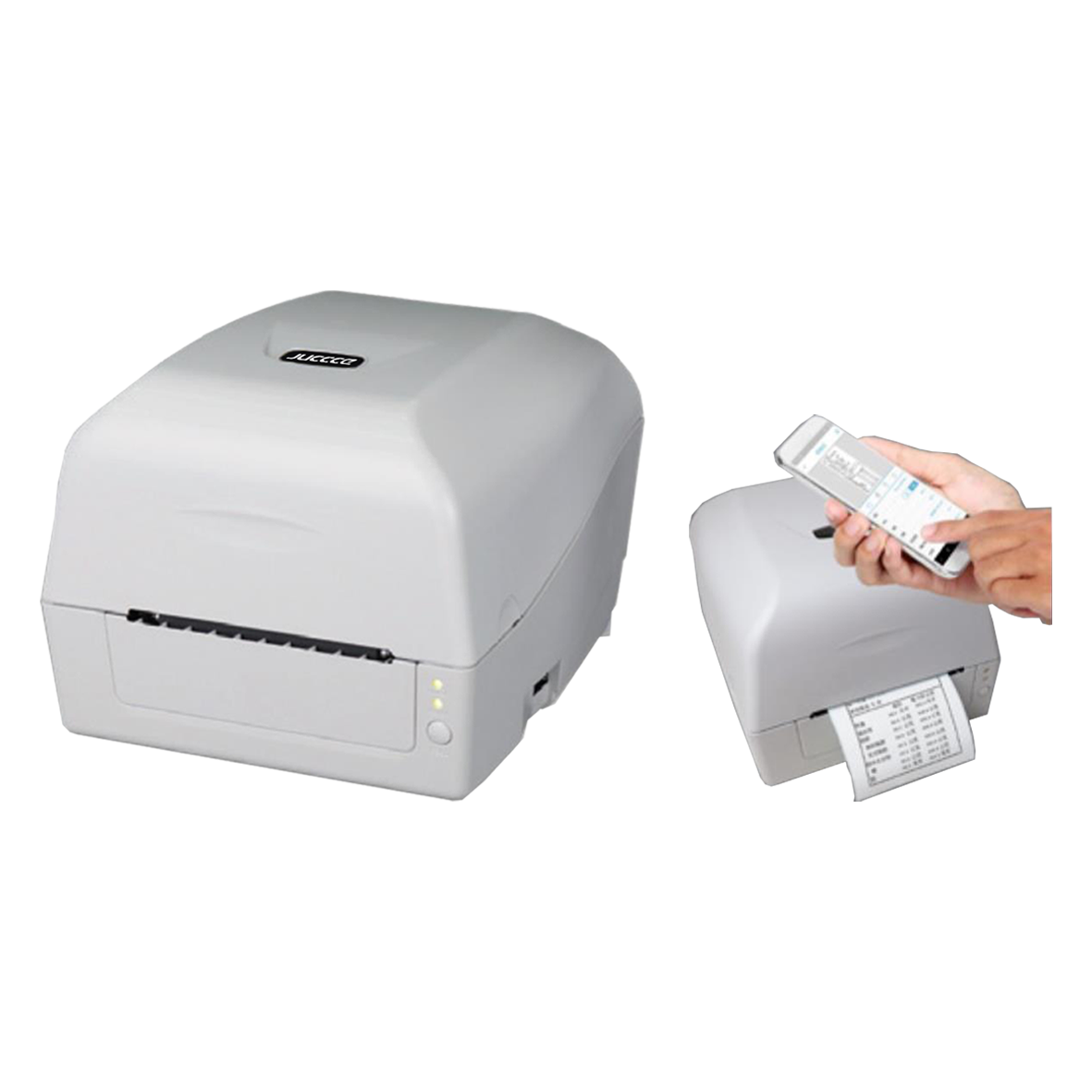
A Barcode Printer is a specialized industrial-grade printing device designed for the on-demand production of high-quality, machine-readable labels, tags, and tickets featuring barcodes (1D and 2D), human-readable text, graphics, and variable data. Unlike standard office printers, a Barcode Printer is engineered for reliability, durability, and precision in demanding business environments where labeling accuracy, speed, and media flexibility are mission-critical. It serves as the cornerstone of an automated identification system, transforming digital data from Warehouse Management Systems (WMS), Enterprise Resource Planning (ERP) software, or other business applications into physical, scannable labels that are applied to products, assets, bins, pallets, and shipping containers. This process is fundamental to enabling track-and-trace capabilities throughout the entire supply chain, from manufacturing and warehousing to logistics, retail, and healthcare.
The core technology of a modern Barcode Printer is thermal printing, which comes in two primary types: Direct Thermal and Thermal Transfer. Direct Thermal printers use heat-sensitive media that darkens when passed over a heated printhead, making them ideal for short-term applications like shipping labels, receipts, and expiration-dated labels. Thermal Transfer printers, in contrast, use a heated printhead to melt a wax, resin, or hybrid ribbon onto a wider variety of label materials (synthetic, paper, polyester), creating extremely durable, long-lasting, and scratch-resistant labels suitable for asset tagging, circuit board labels, and harsh environment applications. The selection of the right Barcode Printer—considering factors like print resolution (measured in dots per inch, or DPI), print speed, media width capacity, duty cycle, and connectivity—directly impacts operational efficiency, compliance with industry standards (like GS1 for logistics or UDI for healthcare), and the overall reliability of the data capture ecosystem.
Advantages Breakdown
1. Unmatched Label Quality, Durability, and Scan Reliability
The primary advantage of an industrial Barcode Printer is its ability to produce high-fidelity, consistent, and scannable labels under continuous use. With precise printhead control and high-resolution output (e.g., 203 dpi, 300 dpi, or 600 dpi), these printers create sharp, high-contrast barcodes with accurate symbology dimensions. This is paramount for achieving a high First-Pass Read Rate (FPRR) with barcode scanners, minimizing mis-scans and processing delays. For Thermal Transfer printing, the use of a durable ribbon yields labels resistant to abrasion, moisture, chemicals, UV light, and extreme temperatures, ensuring legibility throughout an asset's lifecycle, even in challenging industrial or outdoor settings.
2. Operational Efficiency and On-Demand Labeling
Barcode Printers enable just-in-time label production, eliminating the waste, cost, and storage issues associated with pre-printed label inventories. Users can instantly generate labels with specific, variable information—such as serial numbers, lot codes, dates, and unique barcodes—directly at the point of application. This streamlines workflows in packing stations, manufacturing lines, and warehouse floors, reducing walk time, manual handling, and the risk of applying incorrect labels. The ability to integrate seamlessly with business software allows for automated label formatting and data population, further accelerating processes and reducing human error.
3. Media Versatility and Application Flexibility
A significant strength of a professional Barcode Printer is its adaptability to a vast array of label materials and tag stocks. From basic paper and film to specialized synthetic materials (polypropylene, polyester, polyethylene), foil, and even cloth, these printers can handle diverse media requirements. They support various label sizes and shapes, including die-cut labels, continuous lengths, and fanfolded stock. This versatility allows a single printer platform to serve multiple applications within a facility, such as printing small asset tags, large shipping labels, wristbands for events or healthcare, and compliance labels for hazardous materials.
4. High Throughput and Robust Duty Cycle
Designed for constant operation, industrial Barcode Printers are built to handle high-volume print jobs without performance degradation. They feature heavy-duty mechanics, robust motors, and high-capacity media/ribbon rolls to minimize changeover frequency. Fast print speeds (measured in inches per second, IPS) ensure that high-velocity production or distribution lines are not bottlenecked by label printing. This reliability and high throughput are essential for maintaining productivity in 24/7 operations, where printer failure can bring critical processes to a halt.
5. Network Integration and Centralized Management
Modern Barcode Printers are network-aware devices. With built-in Ethernet, Wi-Fi, and often legacy serial/USB connectivity, they can be easily integrated into a corporate network and controlled from centralized print servers or directly from business applications via standard drivers (like Zebra Programming Language - ZPL, or EPL). This facilitates remote management, allowing IT staff to monitor printer status (ink/ribbon levels, printhead health, errors), deploy firmware updates, and troubleshoot issues from a central console, reducing onsite maintenance and support costs.
6. Cost-Effectiveness and Strong Return on Investment (ROI)
While representing a capital investment, a Barcode Printer delivers substantial long-term savings. It reduces costs associated with outsourced pre-printed labels, minimizes labeling errors that lead to shipping mistakes or compliance fines, and optimizes labor efficiency. The durability and longevity of industrial models lower total cost of ownership compared to using consumer-grade printers in business environments. The resulting gains in accuracy, speed, and traceability contribute directly to a compelling ROI by improving supply chain visibility, inventory accuracy, and customer satisfaction.
Technical and Process Highlights (Selling Points)
1. Advanced Thermal Printhead Technology
High-Density, Long-Life Printheads: Featuring densely arranged heating elements (e.g., 203 dpi/8 dots per mm), these printheads are designed for millions of print lines. Advanced materials like diamond-coated or sapphire-coated substrates enhance durability and provide superior heat transfer for consistent print quality.
Automatic Printhead Calibration: Ensures even pressure and optimal heat distribution across the entire print width, preventing faint or dark bands and extending the life of both the printhead and the media/ribbon.
User-Replaceable Design: Printheads are consumable items; industrial printers are designed for easy, tool-less replacement by operators, minimizing downtime.
2. Precision Media Handling System
Dual-Drive Mechanisms: Many models employ a separate drive mechanism for both the media and the ribbon (if used), providing exceptional registration control and preventing ribbon wrinkles, which is critical for high-quality thermal transfer printing.
Adjustable Media Sensors: Reflective and transmissive sensors can be precisely calibrated to detect gaps, notches, or black marks on various label stocks, ensuring accurate label positioning and preventing misalignment.
Large-Capacity Input and Take-Up: Accommodates large-diameter media rolls (up to 8 inches/203mm core) and offers optional rewind or rewind-take-up mechanisms for handling printed liner waste or creating processed label rolls.
3. Intelligent Connectivity and Embedded Processing
Comprehensive I/O Ports: Includes USB 2.0/3.0, Gigabit Ethernet, RS-232 serial, and parallel ports for maximum compatibility. Wireless options include Wi-Fi (802.11 a/b/g/n/ac) and Bluetooth for mobile printing.
Powerful Onboard Processor and Memory: Equipped with fast processors and ample DRAM/Flash memory to handle complex label formats, large graphic files, and extensive font libraries without slowing down, even when connected to multiple hosts.
Standard Page Description Language Support: Native support for industry-standard languages like ZPL, EPL, or IPL allows for easy integration and powerful, device-resident label design and formatting.
4. Ruggedized Construction and Reliability Features
All-Metal Chassis and Durable Components: Built with a heavy-duty metal frame to withstand vibrations, shocks, and the rigors of industrial environments like factory floors or shipping docks.
Easy-Access Maintenance: Features like a front- or top-opening design, snap-in ribbon loading, and clear status displays/indicators simplify routine maintenance and media changes.
Optimized Thermal Management: Efficient heat sinks and cooling systems ensure stable printhead temperature during long runs, crucial for consistent print density and printhead longevity.
5. Specialized Software and Consumables Ecosystem
Professional Label Design Software: Companion software (e.g., Zebra Designer, NiceLabel, BarTender) provides intuitive tools for creating complex, compliant label templates with databases connectivity and variable data fields.
Genuine, Optimized Consumables: High-performance printers are designed to work best with genuine ribbons and certified media, which are engineered to match the printer's thermal properties, ensuring optimal print quality, maximizing printhead life, and preventing costly jams or damage.
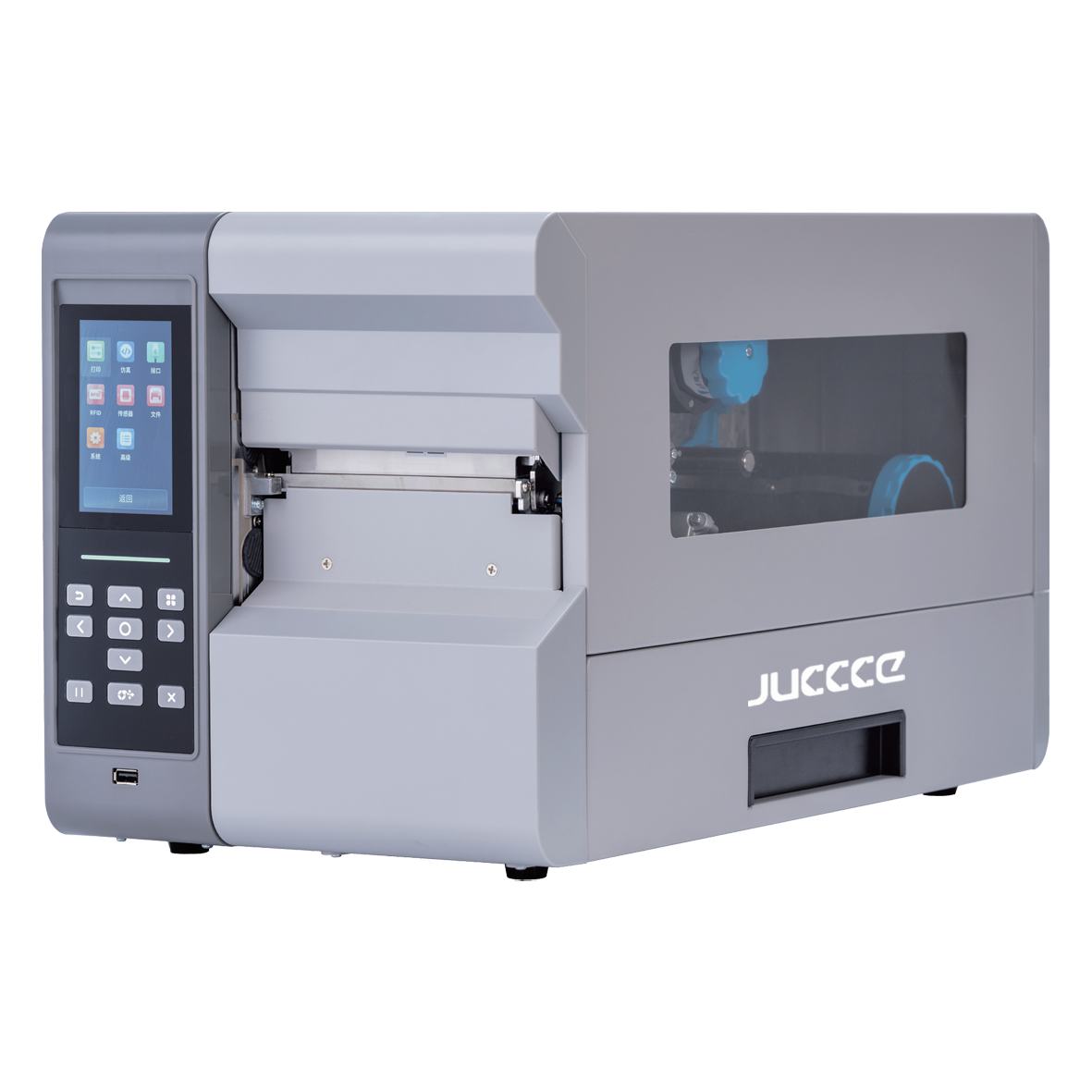
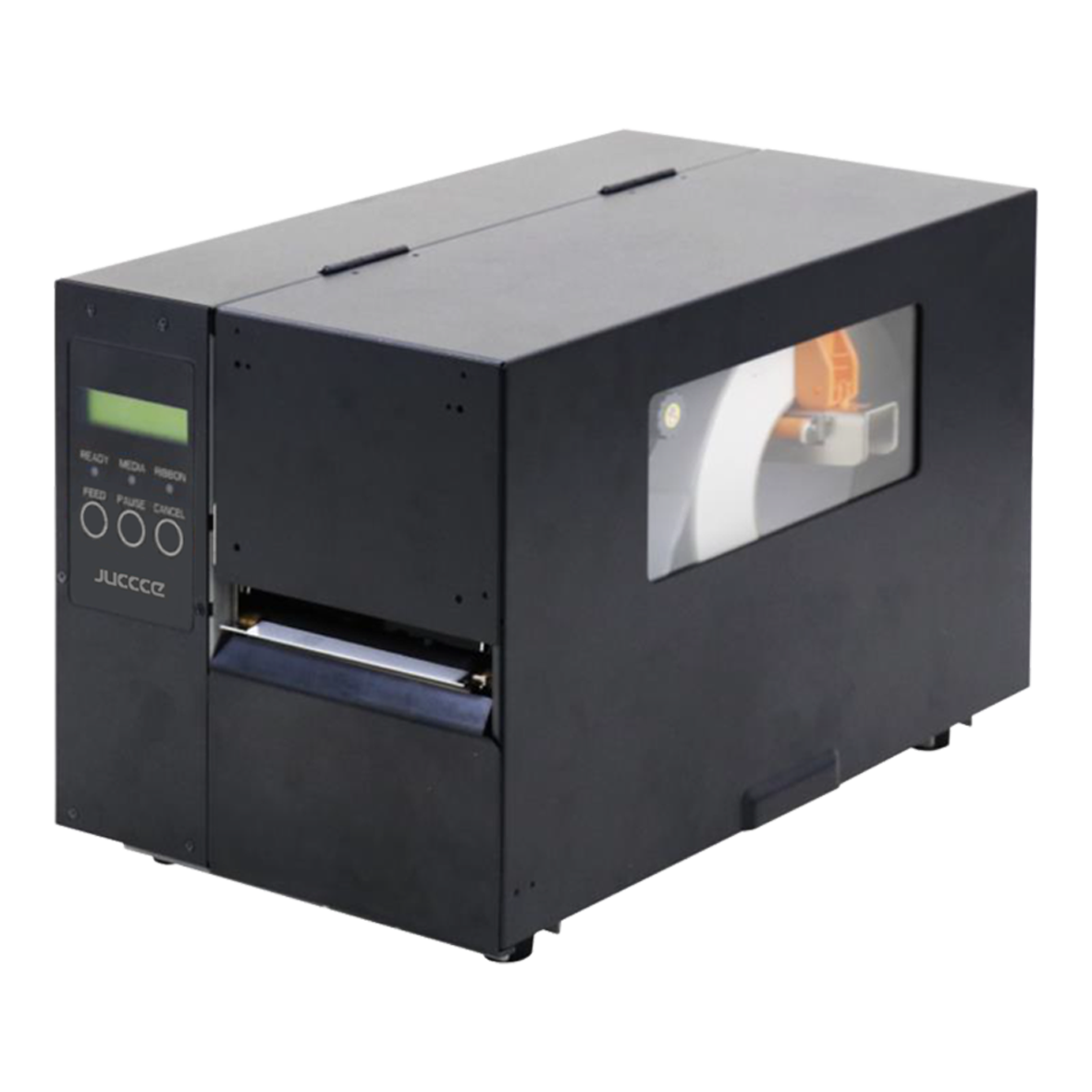
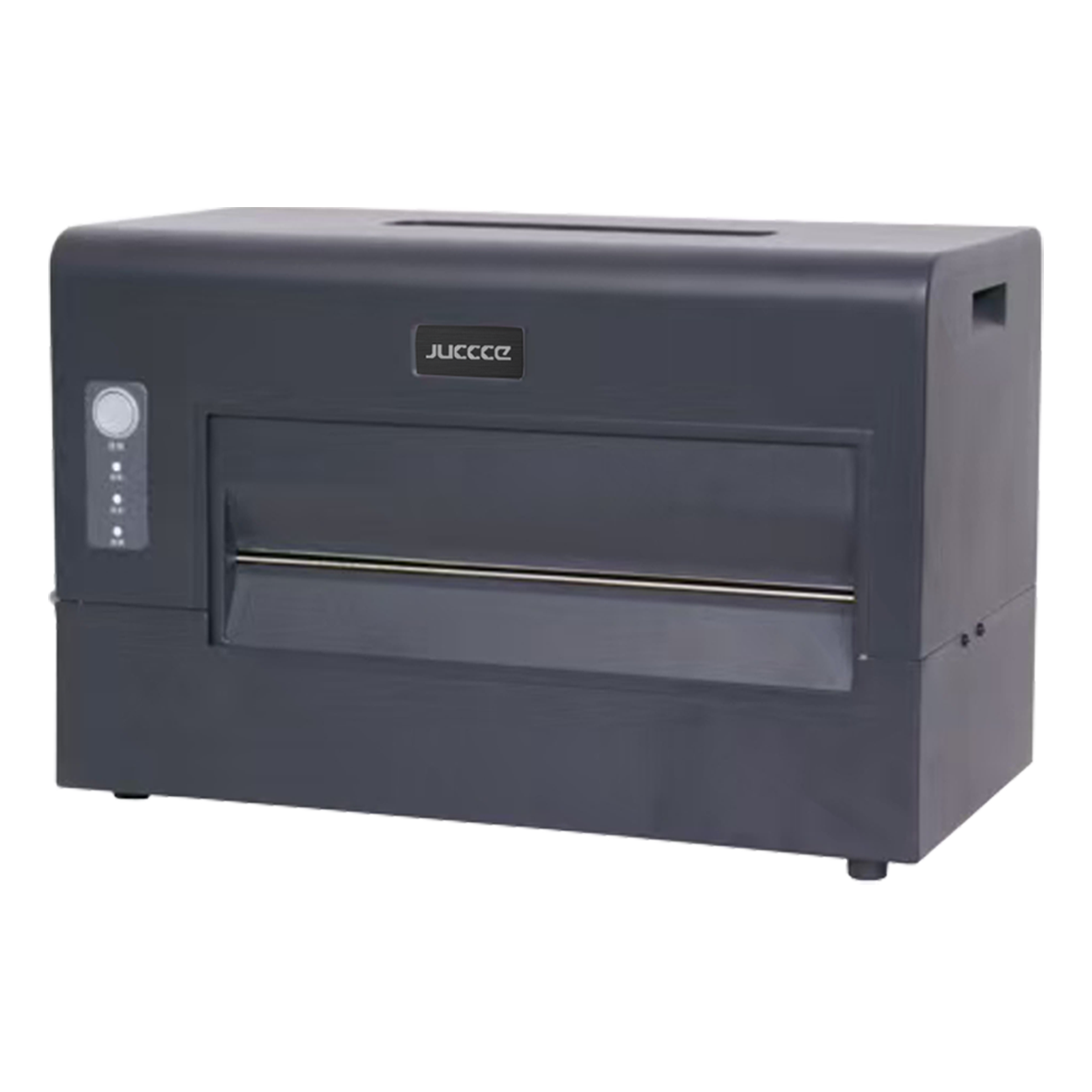
Application-Specific Solutions: Available in configurations tailored for specific verticals, such as compact desktop printers for retail shelf labeling, mid-range printers for logistics, and heavy-duty industrial printers for manufacturing and chemical industry compliance labeling.

 EN
EN