
 EN
EN
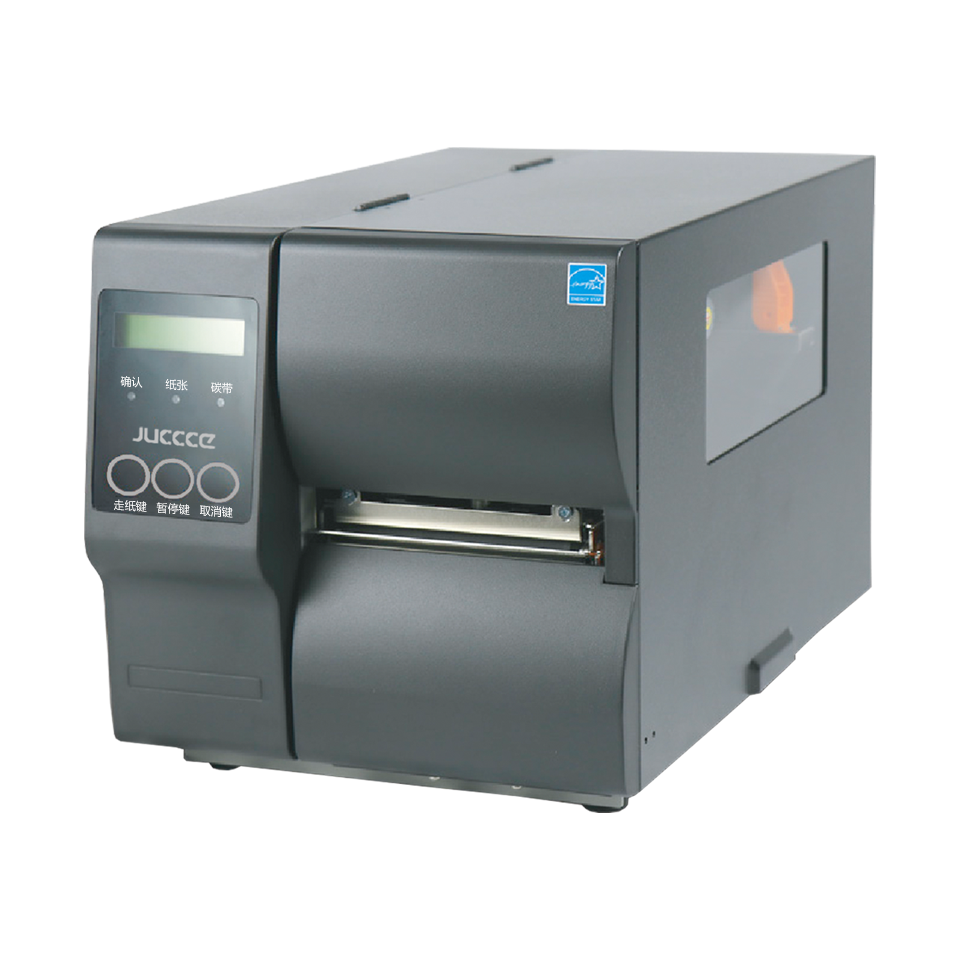
Why Retail Chains Need Dedicated Thermal Transfer Label Printers
Modern retail environments require thermal-transfer label printers engineered for mass rollout, high-volume output, and seamless integration into multi-store workflows. Poor supply chain compliance—especially around labeling accuracy—exposes chains to serious financial risk: data breaches and regulatory fines from issues like incorrect expiration dates can cost over $740,000 per incident (Ponemon Institute, 2023). Thermal transfer technology delivers durable, smudge-resistant prints that withstand friction, harsh cleaning chemicals, and the rigors of shelving operations—even in cold storage. Unlike direct thermal labels, which fade under heat or UV exposure, thermal transfer labels retain barcode integrity and legibility across their full lifecycle, ensuring reliable scanning at checkout and minimizing operational delays. Purpose-built printers with hyper-speed throughput and persistent high-resolution output guarantee consistent performance during peak demand periods—without unplanned downtime. By eliminating maintenance disruptions and supporting scalable daily inventory operations across dozens or hundreds of locations, these systems deliver measurable ROI through lower labor costs, reduced reprints, and stronger compliance posture.
Key Performance Requirements for Label Printers in High-Volume Retail Environments
Retail chains with high-volume operations demand label printers built for relentless, uninterrupted use. Speed and connectivity are table stakes; what truly separates enterprise-grade devices are two durability fundamentals—fade resistance and temperature tolerance—that determine whether labels remain scannable and compliant from warehouse to shelf.
Fade resistance and chemical resilience for shelf-ready labels
Shelf labels face repeated handling, accidental spills, and prolonged exposure to fluorescent and LED lighting—conditions that degrade print quality over time. Labels must resist UV-induced fading and withstand contact with common retail cleaning agents, oils, and moisture without blurring or smearing. Thermal transfer printing—when paired with premium resin-based ribbons and compatible synthetic or coated paper media—delivers this level of resilience. The result is consistently sharp text and fully scannable barcodes throughout the product’s shelf life. Without it, retailers face increased scanning failures, manual price overrides, costly reprints, and potential non-compliance with FDA, FTC, or regional labeling standards.
Temperature tolerance: cold storage to high‑traffic ambient zones
Retail operations span extreme environmental conditions—from frozen food sections (–20 °C or lower) to humid stockrooms and sunlit sales floors. Labels applied in these settings must adhere reliably and retain print integrity despite rapid temperature shifts. In cold storage, standard adhesives can fail, causing labels to curl or detach; in warm, high-humidity zones, ink can bleed or ribbon residue may smear. A robust thermal transfer printer system includes media engineered for these extremes—such as cryogenic-grade adhesives and topcoated polyester labels—and hardware calibrated to apply consistent heat and pressure across varying ambient conditions. Selecting a validated printer-media combination rated for the full operational range prevents label failure, reduces service calls, and ensures uniform performance across all store formats.
Bulk Supply Strategies: Optimizing Label Printer Roll Logistics for Multi-Store Chains
Efficient bulk supply management for label printer rolls across multi-store chains hinges on balancing cost efficiency with operational continuity. Standardizing specifications and adopting intelligent replenishment models reduce per-label costs, simplify procurement, and eliminate waste—without compromising uptime.
Core size compatibility (1-inch vs. 3-inch) across desktop and industrial label printers
Core diameter dictates roll capacity, changeover frequency, and device compatibility. Desktop printers—often used at checkout lanes or back-office stations—typically accept 1-inch core rolls, optimized for low-to-moderate volume and decentralized printing. Industrial printers deployed in distribution centers or central labeling hubs require 3-inch cores to support continuous, high-throughput output with fewer interventions. When chains deploy both printer types, mismatched core sizes create logistical friction: ordering errors, adapter dependencies, and unusable inventory. The optimal strategy is intentional segmentation—standardizing on 3-inch cores for centralized production (e.g., DCs or commissaries) and 1-inch cores for in-store desktop units—while maintaining consistent label width and material specs. This preserves compatibility, simplifies forecasting, and eliminates relabeling or repackaging overhead.
Just-in-time bulk supply models to minimize inventory overhead
While bulk purchasing reduces unit cost, overstocking thermal transfer labels carries real risks: ribbon degradation, label curling, and adhesive breakdown over time—all of which compromise print quality and scanner reliability. A just-in-time (JIT) bulk supply model resolves this tension by aligning deliveries with actual consumption patterns. Rather than storing months’ worth of rolls on-site, chains negotiate scheduled, smaller-batch shipments tied to verified usage data—leveraging historical throughput, seasonal trends, and real-time printer telemetry where available. Automated reorder triggers, based on predefined thresholds and lead times, ensure continuous availability without excess inventory. When implemented with supplier collaboration and accurate demand modeling, JIT bulk supply cuts warehousing costs, extends media shelf life, and supports leaner, more responsive multi-store operations.
FAQ
Why are thermal transfer printers better than direct thermal printers for retail chains?
Thermal transfer printers produce durable, smudge-resistant labels that retain legibility under harsh conditions like cold storage and prolonged UV exposure, unlike direct thermal labels which fade over time.
What key factors contribute to label durability in retail environments?
Fade resistance, chemical resilience, and temperature tolerance are critical. Labels must withstand UV-induced fading, exposure to cleaning agents, and temperature extremes without compromising print quality.
How can bulk supply strategies optimize operations for retail chains?
Standardizing core sizes for rolls and implementing just-in-time (JIT) replenishment models reduce costs, eliminate waste, and ensure operational continuity through data-driven, smaller-batch shipments aligned with actual usage.
Why is core size compatibility important in multi-store retail chains?
Mismatched core sizes can lead to logistical issues like ordering errors and unusable inventory. Standardizing core sizes simplifies procurement and minimizes disruptions.
What are the benefits of applying a just-in-time supply model for label rolls?
JIT models minimize warehouse overhead, reduce material degradation risks, and ensure continuous roll availability without overstocking, ultimately cutting costs and improving efficiency.