
 EN
EN
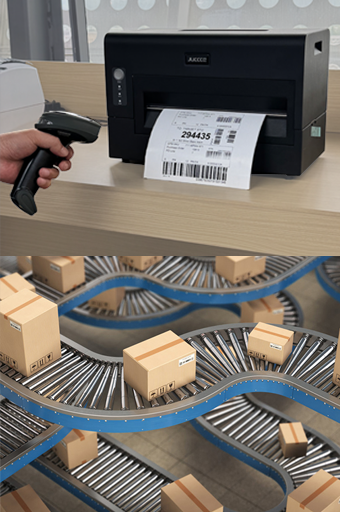
A label is not merely an adhesive sticker; it serves as the critical initial touchpoint between a product and the consumer. In high-volume wholesale operations, selecting an ineffective label solution can result in brand degradation, inventory tracking errors, and operational inefficiency.
Custom label manufacturing requires a systematic evaluation of material engineering, adhesive performance, optical readability, and system integration.
1. The Role of Custom Labels in Brand Identity and Retail Performance
In competitive retail and industrial environments, packaging labels convey quality and maintain brand integrity.
-
First Impressions: High-resolution printing, precise color accuracy, and premium material textures communicate product value before the consumer interacts with the contents.
-
Operational Reliability: Poorly printed or unstable labels lead to unreadable barcodes at checkout or receiving docks, creating manual data-entry bottlenecks and tracking failures.
-
Volume Consistency: Sourcing labels at wholesale volumes necessitates absolute consistency across millions of units to prevent operational disruptions.
2. Technical Classification of Custom Label Substrates and Adhesives
Selecting the appropriate label solution requires matching the substrate and adhesive formulation to the operational environment.
| Label Type | Material Properties | Resistance Characteristics | Primary Applications |
| Thermal (Direct) | Heat-sensitive paper coating; no ribbon required. | Low heat, UV, and moisture resistance. | Short-term logistics, shipping labels, temporary receipts. |
| Thermal Transfer | Requires wax/resin ribbon; bonds pigment into substrate. | High resistance to heat, moisture, abrasion, and chemicals. | Asset tracking, industrial manufacturing, long-term storage. |
| Art Paper | Smooth, high-contrast finish for high-resolution graphics. | Moderate durability; suitable for indoor retail. | Retail product packaging, food & beverage labeling. |
| Film (Synthetic) | Polypropylene or polyester construction; flexible and tear-proof. | High moisture, chemical, and temperature resistance. | Cold-chain storage, cosmetics, outdoor equipment. |
| Specialty Substrates | Engineered for extreme conditions (High-temp, Metal-resistant). | Withstands extreme industrial heat, chemical exposure, or metallic interference. | Electronics assembly, chemical container tracking, asset management. |
Adhesive Selection Factors
Adhesives must be selected based on surface energy (glass, plastic, corrugated cardboard, polished metal) and operating temperature ranges:
-
Permanent Adhesives: Form a high-strength bond that resists removal or environmental degradation.
-
Removable / Repositionable Adhesives: Allow clean removal without leaving residue or tearing the substrate.
-
Cold-Chain / Freezer Adhesives: Formulate to cure at sub-zero temperatures without losing tackiness.
3. Advanced Label Technologies: Barcodes and RFID Integration
Modern custom labels perform dual roles: visual brand presentation and automated data capture.
Custom Label Architecture
-
Visual Layer: High-resolution graphics & branding
-
Data Layer: 1D / 2D Barcodes or Embedded RFID Inlay
-
Adhesive Layer: Substrate-matched permanent / cold-chain adhesive
Barcode vs. RFID Technology
-
Barcode Labels: Provide a cost-effective solution for standard inventory control, warehouse management, and retail checkout.
-
RFID-Enabled Labels (Radio Frequency Identification): Embed an internal microchip and antenna inlay.
-
Key Advantages: Enables bulk reading without direct line-of-sight, anti-counterfeiting verification, real-time supply chain tracking, and automated inventory reconciliation for high-value goods (e.g., apparel, electronics, pharmaceuticals).
-
4. Operational Efficiency Through Integrated Sourcing
Sourcing labels as part of a unified hardware and software ecosystem eliminates compatibility issues between media and equipment.
-
Hardware Compatibility: Matching custom label media directly to automated labeling machinery, industrial desktop printers, and mobile print terminals prevents ribbon wrinkling and printhead wear.
-
Automated Application: Integrating real-time print-and-apply labeling machinery into production lines ensures consistent label placement at high line speeds.
-
Supply Chain Traceability: Unifying label media with industrial barcode scanners, handheld terminals (PDAs), and Warehouse Management Systems (WMS) guarantees real-time data synchronization across logistics networks.
Conclusion
A custom wholesale label solution is a strategic investment in brand equity, regulatory compliance, and supply chain efficiency. By matching label substrates, adhesives, and data-capture technologies to specific environmental demands, organizations eliminate label failure, ensure seamless barcode scannability, and maintain operational continuity.