
 EN
EN
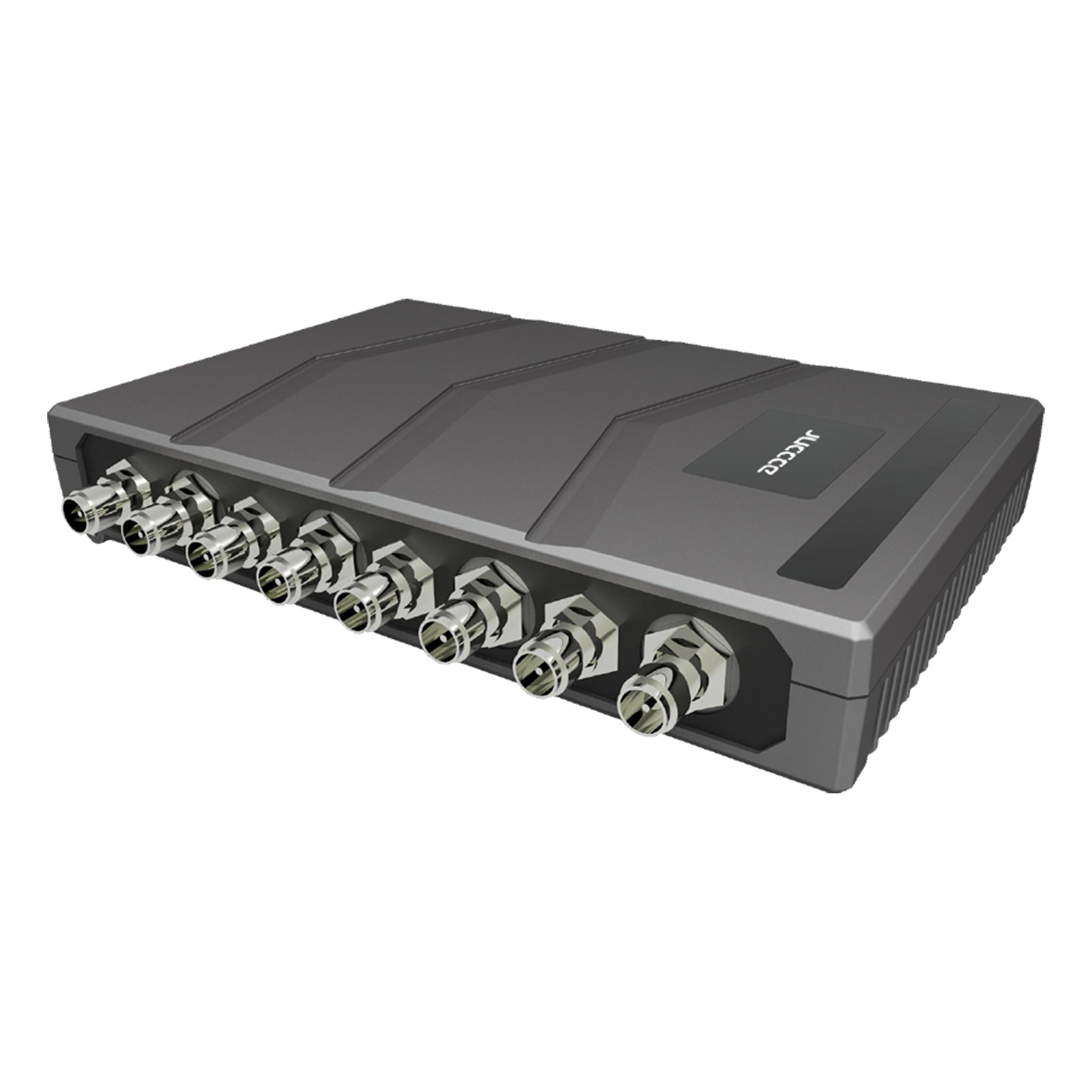
In modern retail management, maintaining real-time inventory visibility is a fundamental challenge. Traditional manual stocktakes require significant labor, cause operational downtime, and often result in inventory discrepancies. Deploying Radio Frequency Identification (RFID) technology transforms stock accuracy from an estimated guess into precise, real-time data intelligence.
This guide explores the structure of RFID inlays, the operational benefits of retail RFID deployment, and best practices for sourcing the right label solutions.
1. What RFID Inlays Are and How They Work
To select the right RFID product, it is essential to understand the underlying hardware. An RFID inlay is the functional engine embedded inside a finished label or hangtag.
Core Components of an RFID Inlay
-
Microchip (IC): Stores unique identifying data, such as an Electronic Product Code (EPC).
-
Antenna: An etched conductive aluminum or copper circuit that receives and transmits radio frequency signals.
-
Substrate: A thin, flexible plastic film (typically PET) that holds the chip and antenna together.
Ultra-High Frequency (UHF) Standard
In retail supply chains, UHF RFID operating in the 860–960 MHz spectrum is the global standard. UHF RFID offers distinct operational advantages:
-
Extended Read Range: Captures signals from 3 to 10 meters away.
-
Bulk Reading Capabilities: Scans hundreds of tagged items per second simultaneously without requiring a direct line of sight.
-
Label Integration: The inlay is laminated between a printable face stock (paper or synthetic film) and a pressure-sensitive adhesive layer to create a complete RFID label.
2. Retail Inventory Intelligence: Key Operational Benefits
Implementing item-level RFID tagging provides actionable operational visibility across store networks and distribution centers.
| Operational Metric | Traditional Barcode System | RFID-Enabled System |
| Inventory Accuracy | Approximately 65% – 75% | Greater than 98% |
| Stocktake Speed | Hours to days per store | Minutes to a few hours |
| Line-of-Sight Requirement | Required (Scan one by one) | Not required (Batch processing) |
| Out-of-Stock Reduction | Reactive replenishment | Proactive, automated alerts |
| Loss Prevention | Standard EAS gates | Integrated EAS & item-level tracking |
Value-Add Capabilities
-
Smart Fitting Rooms: Automatically identify items brought into fitting rooms to suggest matching accessories or alternative sizes.
-
Automated Replenishment: Detect when shelf quantities drop below threshold levels and send real-time restock alerts to floor staff.
-
Omnichannel Fulfillment: Ensure accurate "Buy Online, Pick Up In Store" (BOPIS) fulfillment by eliminating phantom stock on retail floors.
3. Selecting the Right RFID Label and Substrate
Different retail categories require specific label constructions to withstand handling, environmental exposure, and security demands.
Substrate and Application Matching
-
Apparel and Fashion: Flexible, thin paper or woven hangtags integrated with discreet inlays that withstand shipping, sorting, and customer handling.
-
High-Value Merchandise (Jewelry & Electronics): Tamper-evident RFID labels designed to tear or deactivate if unauthorized removal is attempted.
-
Refrigerated & Outdoor Goods: Synthetic film-based labels (polypropylene or polyester) paired with cold-chain adhesives to resist moisture and low temperatures.
-
Specialty Items (Liquids & Metals): Specialist on-metal or liquid-resistant RFID tags engineered with shielding layers to prevent signal reflection or attenuation.
4. Practical Steps for Sourcing and Implementation
Transitioning to an RFID-enabled infrastructure requires a systematic implementation approach:
-
Execute a Pilot Program: Begin with a targeted pilot in a single store or product category to evaluate read rates, label durability, and hardware placement.
-
Define the Encoding Strategy: Determine whether encoding will occur at the factory source (source tagging), distribution center, or store level.
-
Ensure Ecosystem Integration: Confirm that RFID readers, handheld terminals, and printers integrate seamlessly with your Warehouse Management System (WMS), Enterprise Resource Planning (ERP), and Point of Sale (POS) software.
-
Partner with One-Stop Suppliers: Sourcing inlays, finished label media, encoding hardware, and scanning terminals from a single unified partner prevents system incompatibilities and operational friction.
Conclusion
Sourcing the right RFID labels and inlays goes beyond replacing traditional barcodes; it establishes the foundation for accurate, automated inventory intelligence. By matching inlay specifications, label media, and software integration to your specific retail environment, you eliminate inventory blind spots, minimize stockouts, and maximize supply chain efficiency.