
 EN
EN
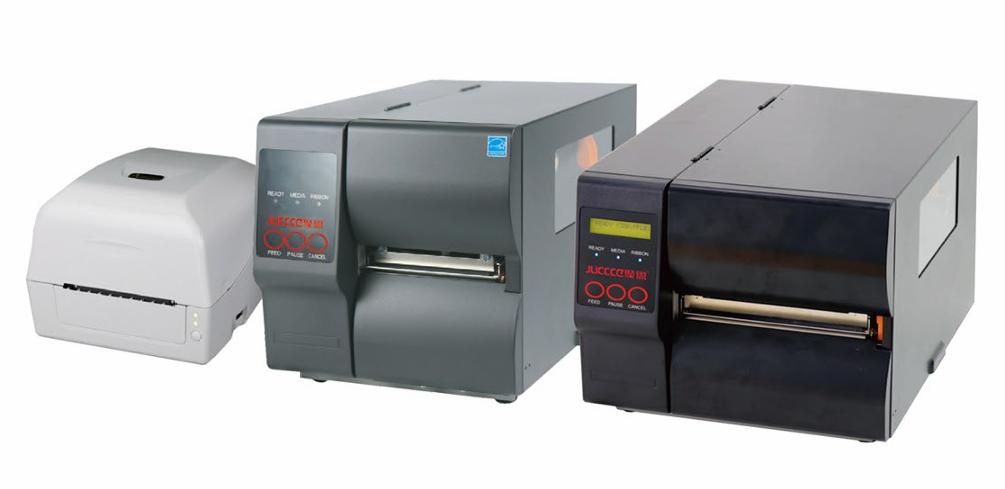
Choosing the right label printer technology is a critical operational decision for any warehouse, logistics center, or manufacturing facility. Selecting the wrong printing technology can lead to unreadable barcodes, supply chain delays, and increased long-term operational costs.
While Direct Thermal (DT) and Thermal Transfer (TT) printing sound similar, they rely on fundamentally different chemical and mechanical processes tailored for distinct business applications.
The Fundamental Difference: How Each Technology Works
The core difference between the two technologies lies in how the image is transferred onto the label material.
1. Direct Thermal (DT) Printing
-
Mechanism: Direct thermal printing utilizes heat-sensitive paper coated with a special chemical layer. The heated printhead applies energy directly to the paper, triggering a chemical reaction that turns the targeted area black.
-
Consumables: Requires only paper/labels (no ink, toner, or thermal ribbon).
-
Durability: Fragile. The chemically coated paper remains heat- and light-sensitive. Exposure to sunlight, ambient heat, or friction will cause the label to darken, fade, or smudge over time.
2. Thermal Transfer (TT) Printing
-
Mechanism: Thermal transfer printing utilizes a thermal ribbon coated with wax, resin, or a wax-resin blend. The printhead heats the ribbon, melting the coating directly onto the label surface.
-
Consumables: Requires both labels and thermal ribbons.
-
Durability: High. The image becomes physically bonded to the label substrate, creating a crisp, long-lasting print that resists heat, UV light, moisture, and chemical exposure.
Comparison Matrix: Direct Thermal vs. Thermal Transfer
Deep Dive: Application Fit
When to Choose Direct Thermal
Direct thermal is ideal for short-life applications where environmental exposure is minimal:
-
E-Commerce Shipping Labels: Standard parcel delivery labels that are scanned within days and discarded.
-
Cross-Docking & Receiving Tickets: Temporary identification tags used internally within a facility.
-
Point-of-Sale (POS) Receipts & Visitor Badges: High-turnover, low-durability receipts.
When to Choose Thermal Transfer
Thermal transfer is necessary for long-term, harsh-environment, or high-risk applications:
-
Manufacturing & Asset Tracking: Labels that follow a product or equipment for years.
-
Cold Storage & Outdoor Shipping: Labels exposed to moisture, freezing temperatures, or direct sunlight.
-
Chemical & Industrial Identification: GHS chemical labels requiring resin ribbons to resist solvent exposure.
-
High-Density Barcodes: Applications requiring ultra-fine precision (e.g., 600 dpi printing for electronic components).
Total Cost of Ownership (TCO) Analysis
When evaluating upfront versus long-term operational expenses:
-
Initial Hardware Costs: Direct thermal printers are generally less complex and slightly lower in upfront printer cost compared to dual-mode or thermal transfer industrial printers.
-
Consumable Costs: * Direct thermal paper stock costs more per label than standard thermal transfer paper due to the chemical coating.
-
Thermal transfer requires purchasing ribbons, but plain paper/synthetic stock is cheaper per label. In high-volume operations, thermal transfer cost-per-label can equalize with direct thermal.
-
-
Cost of Failure: The true cost of an incorrect choice lies in scanning failure rates. A faded direct thermal label on a hot delivery truck can result in carrier fines, delayed shipments, and mis-sorted inventory, quickly erasing any minor upfront hardware savings.
Conclusion: Making the Strategic Choice
To select the right technology for your operation, evaluate three core factors:
-
Lifespan: Does the label need to remain readable for longer than six months?
-
Environment: Will the label encounter heat, sunlight, moisture, chemicals, or severe abrasion?
-
Risk Tolerance: What is the financial impact if a barcode becomes unreadable during transit or storage?
For short-term, ambient-temperature applications, Direct Thermal delivers unmatched speed and operational simplicity. For long-term tracking, outdoor exposure, or critical compliance labeling, Thermal Transfer provides the durability and reliability essential for modern supply chain management.