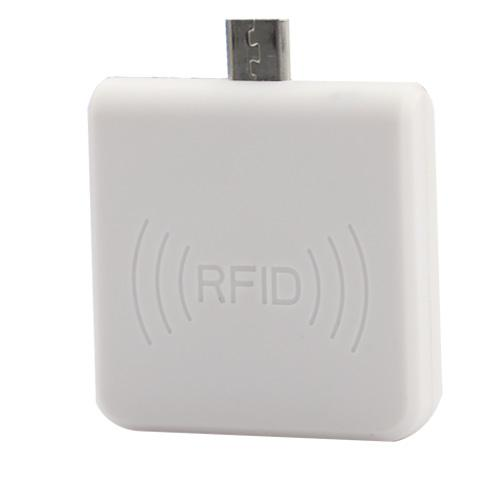
Core Functional Differences Between Fixed and Handheld RFID Readers Reading Range, Power Output, and Physical Installation Requirements Fixed RFID readers can pick up tags from pretty far away sometimes over 10 meters thanks to their powerful signa...
VIEW MORE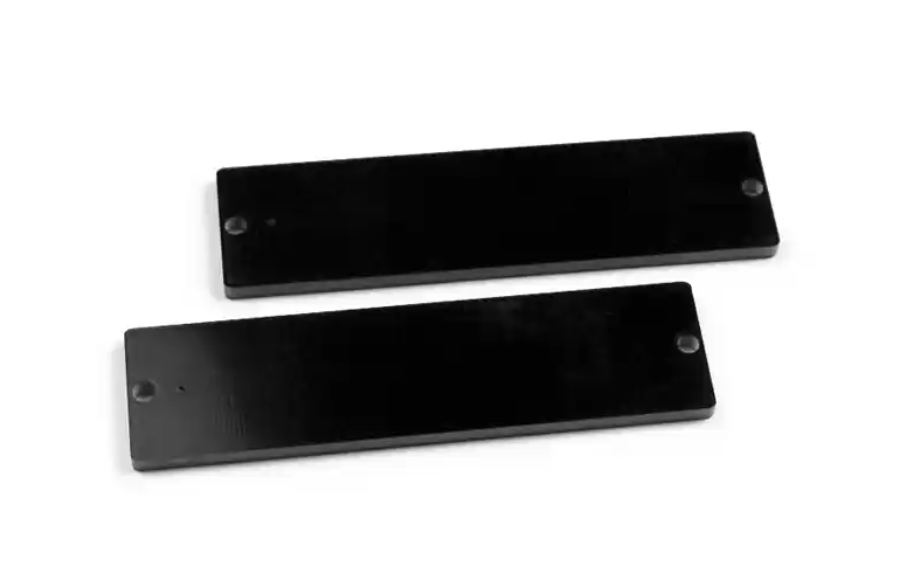
Why Standard RFID Labels Fail on Metal Surfaces Electromagnetic Detuning and Signal Absorption by Conductive Surfaces Regular RFID tags just don't work well on metal surfaces because of how metals interfere with radio signals. When placed near cond...
VIEW MORE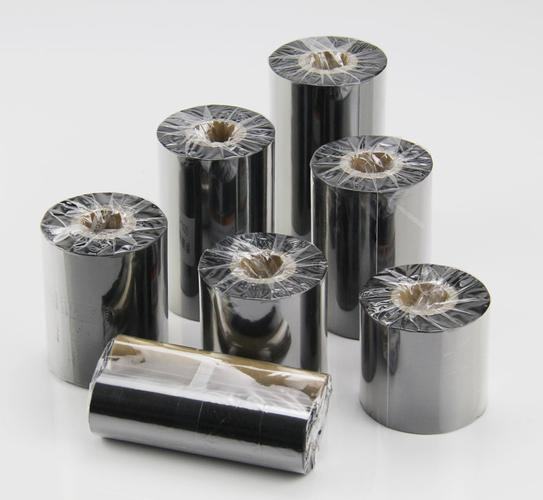
How Ribbon Chemistry Defines Performance: Wax vs. Wax-Resin vs. Resin Melting Point, Adhesion Mechanism, and Substrate Bonding Behavior The way thermal transfer ribbons perform really depends on what chemicals they're made from, not just how much h...
VIEW MORE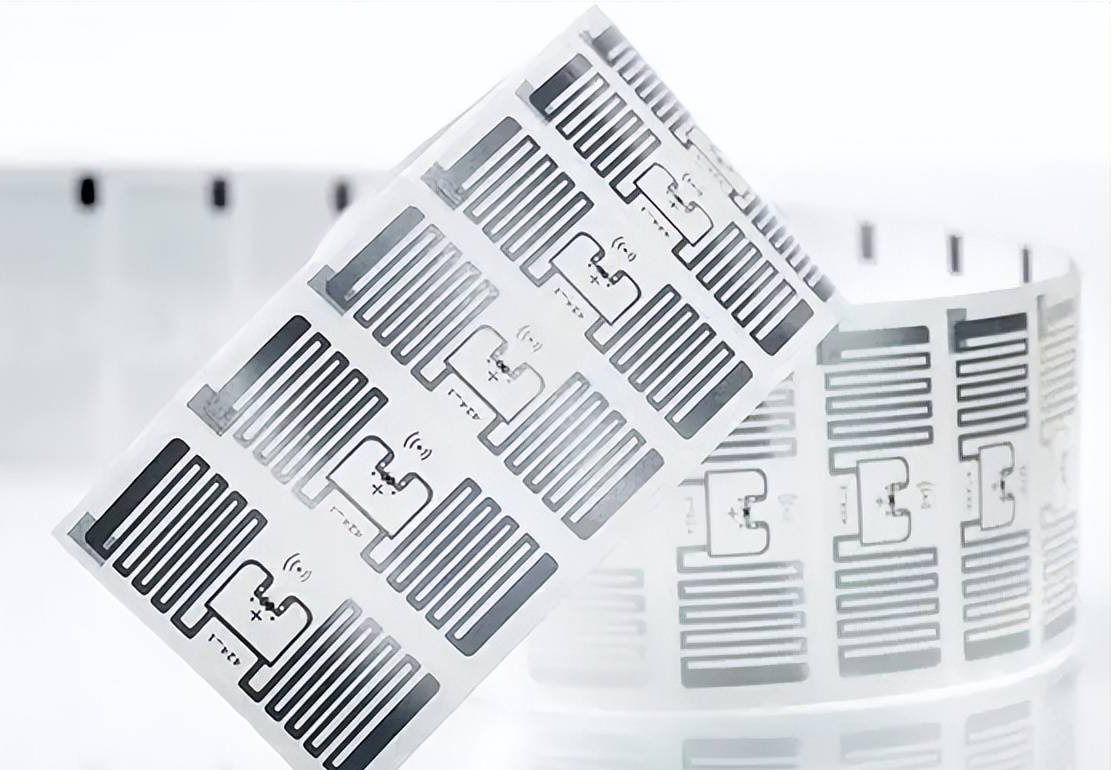
Match Label Material to Substrate and Surface Chemistry Adhesion Science: Why Cardboard, Plastic, Metal, and Wax Boxes Demand Different Adhesives When it comes to how well adhesives work, two main factors stand out: surface energy levels and the ac...
VIEW MORE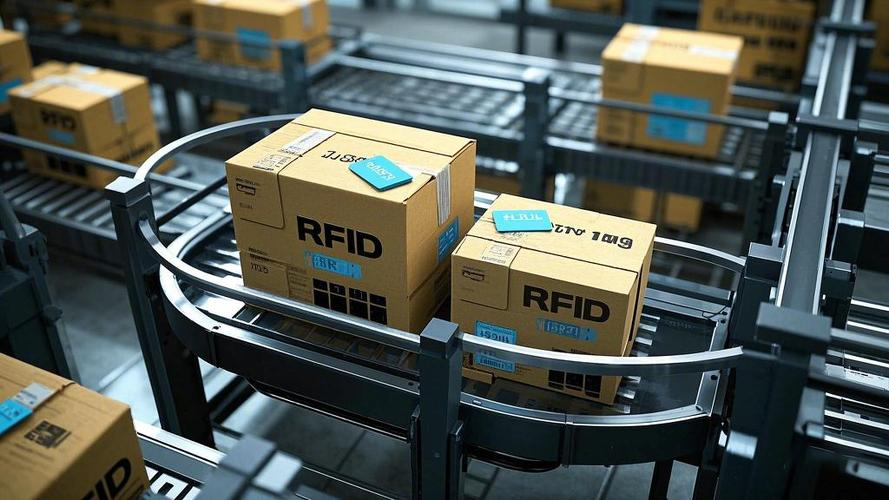
UHF RFID Fundamentals: Physics, Performance, and Supply Chain Fit How Electromagnetic Coupling Enables Long-Range, High-Speed Bulk Reading UHF RFID systems work in the 860 to 960 MHz range and use electromagnetic waves instead of induction for long...
VIEW MORE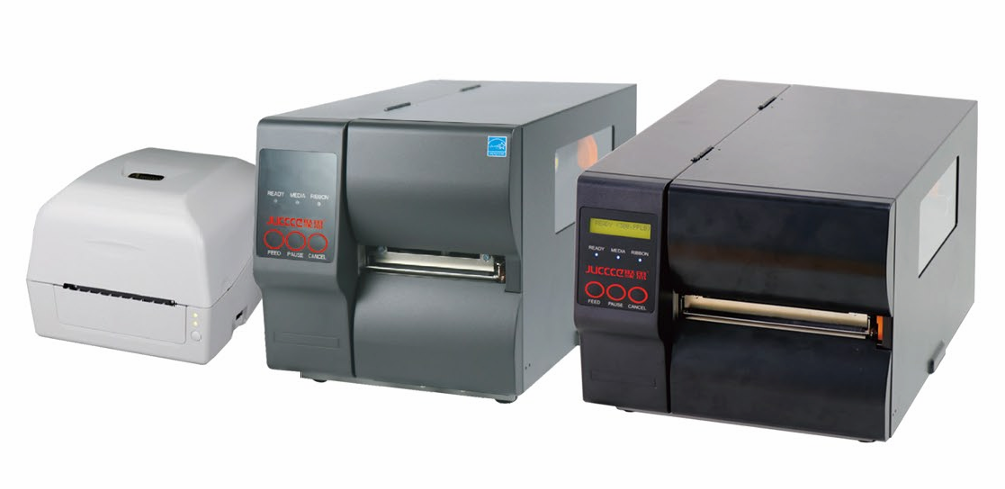
Durability & Environmental Resistance: Matching Label Lifespan to Your Conditions Fade, Heat, UV, and Chemical Exposure: Why Thermal Transfer Excels for Long-Term Use Labels printed on thermal transfer barcode printers hold up surprisingly well in ...
VIEW MORE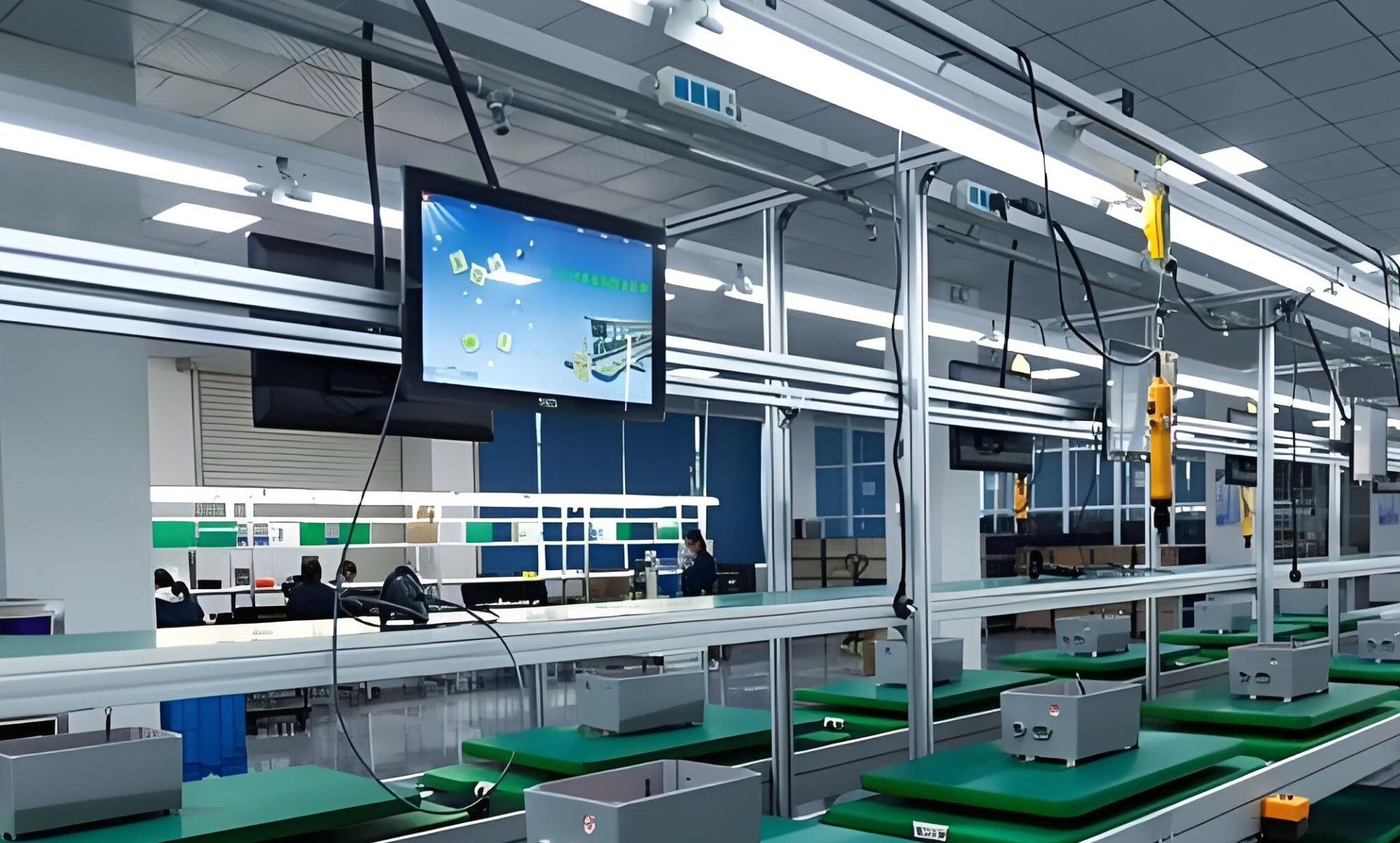
Core Industrial Computer Applications in Smart Manufacturing Machine Control and Robotics Integration on High-Speed Production Lines Industrial computers provide the kind of real time processing needed to keep robotic arms, conveyors, and motion co...
VIEW MORE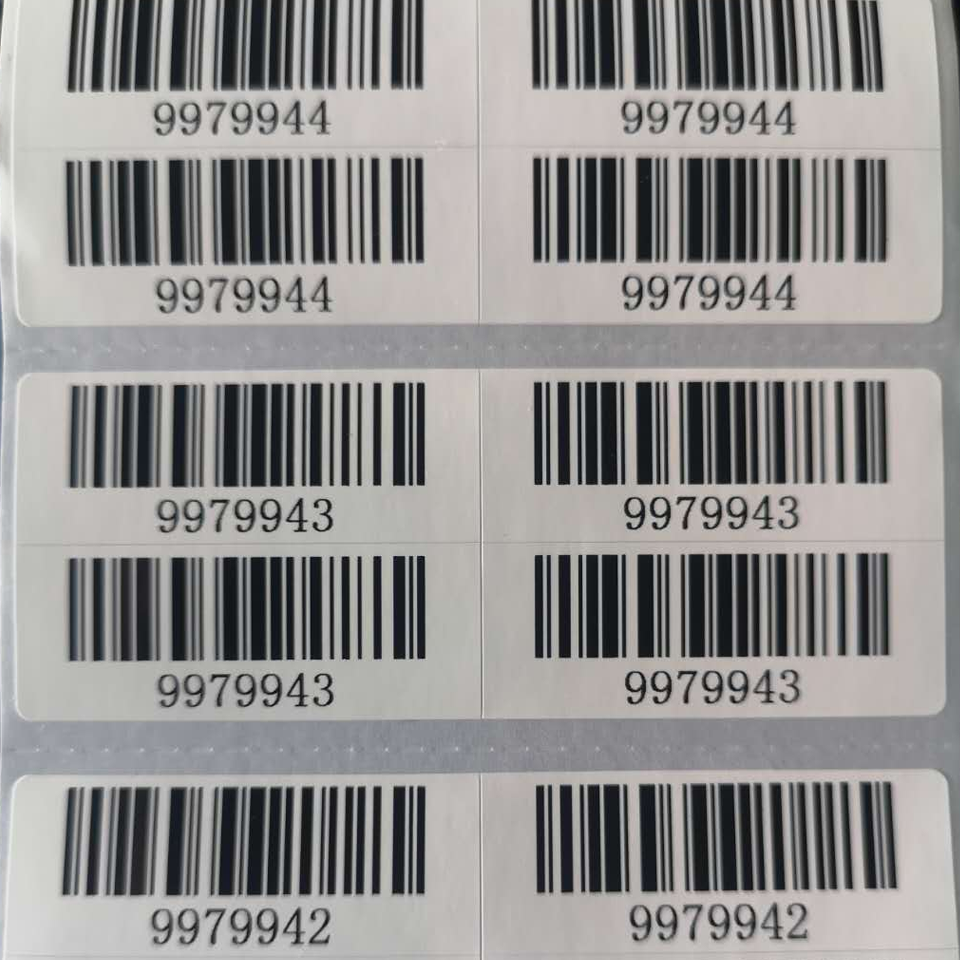
Fundamental Distinction: How 1D and 2D Barcodes Differ in Structure and Function Encoding Mechanics: Linear Patterns vs. Matrix-Based Data Storage One dimensional barcodes work by using thin black lines and white spaces next to each other to repres...
VIEW MORE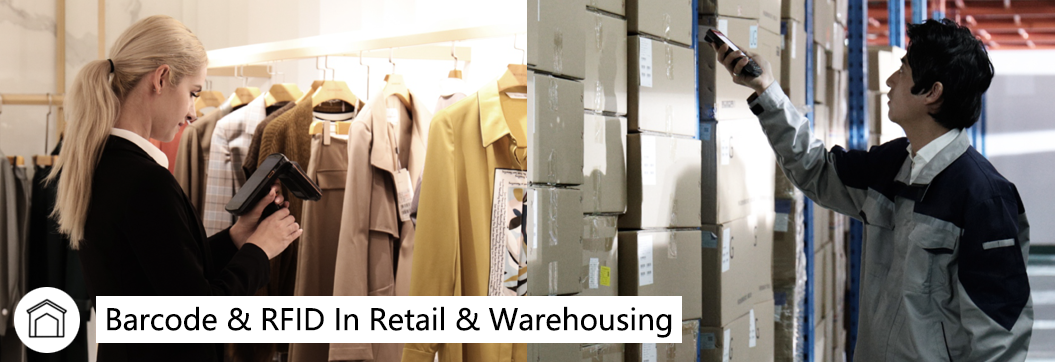
How RFID and Barcode Technologies Fundamentally Differ Line-of-Sight Scanning vs. Contactless, Bulk Reading Traditional barcodes need the scanner to be perfectly aligned with each label, which means scanning items one after another. This sequential...
VIEW MORE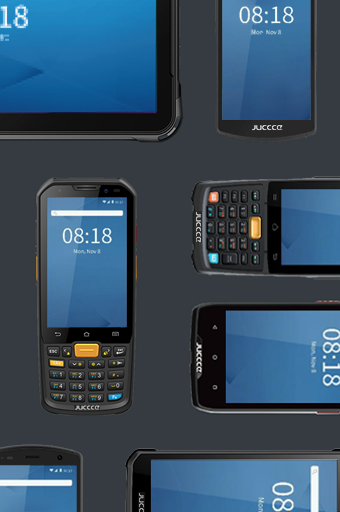
PDA Defined: Industrial Mobile Computing for Logistics Operations The Personal Digital Assistant, or PDA, has become pretty much indispensable for moving things around in warehouses these days. Think of it as a tough little gadget built specificall...
VIEW MORE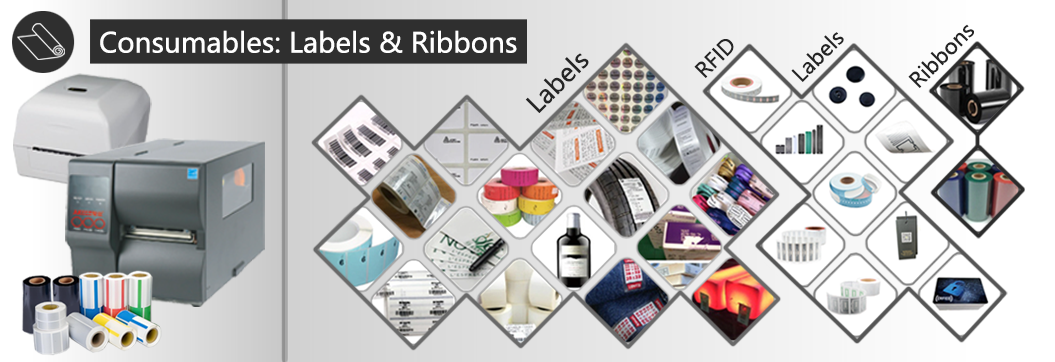
Key Decision Factors: Volume, Environment, and Total Cost of Ownership Print Volume Thresholds That Signal the Need for an Industrial Label Printer The amount of printing needed each day is probably the most important factor when choosing between d...
VIEW MORE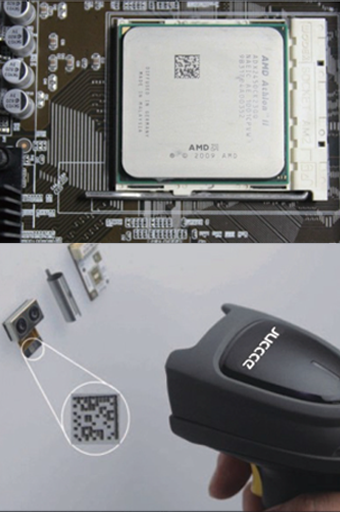
Understand Barcode Scanner Types and Symbology Support Laser vs. CCD vs. Image-Based Scanners: How Capture Technology Affects Performance Laser scanners work by using a focused beam that can read those straight line barcodes pretty fast, sometimes ...
VIEW MORE
Founded in 2003, JUCCCE Intelligent Technology has been focusing on hardware and software solutions in the field of barcode, RFID, machine vision, mechanical intelligence and automation, etc, with more than 22 years of experience in the industry.
No.26, Liando U Valley, Lane 777, Qingfeng Road, Cicheng Town, Jiangbei District, Ningbo, Zhejiang.
Copyright © 2026 by Ningbo Juccce Intelligent Technology Co., Ltd. Privacy Policy
 EN