
 EN
EN
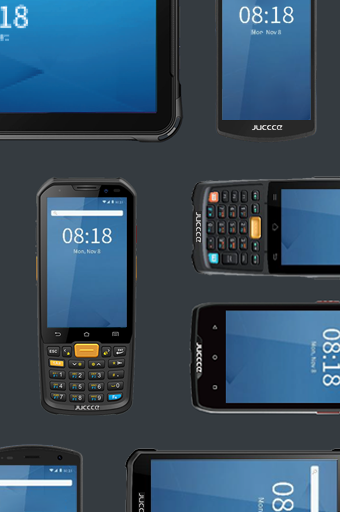
PDA Defined: Industrial Mobile Computing for Logistics Operations
The Personal Digital Assistant, or PDA, has become pretty much indispensable for moving things around in warehouses these days. Think of it as a tough little gadget built specifically for harsh warehouse conditions but still capable of capturing data on the spot. What sets PDAs apart from regular phones? They come with heavy duty cases that can take a beating, batteries that last way longer than what we see on our personal devices, and those special scanners that just keep working even when there's dust everywhere or someone accidentally drops them. Instead of filling out forms by hand, warehouse staff can now scan everything from incoming shipments to daily inventory checks right onto their PDAs. This information then gets sent straight to the main computer system without any middle steps. Workers get instant access to where products actually are in storage and what tasks need doing next, which cuts down mistakes during picking operations by almost two thirds compared to old fashioned paper records. Plus, goods move through facilities about 30 percent faster too. At the heart of it all, PDAs act like the bridge connecting actual work happening on the floor with the software managing the whole warehouse operation. Every scan turns into something useful for tracking products from start to finish. With companies increasingly focused on knowing exactly what's going on at every point in their supply chain, PDAs provide that solid base needed to scale up operations effectively.
How PDA Enables Real-Time Inventory Tracking and End-to-End Traceability
Barcode and RFID Data Capture: The Foundation of PDA Visibility
Personal Digital Assistants are changing how companies handle their inventory management systems by making barcode and RFID scanning fast and seamless. When goods arrive at warehouses or move between storage areas, staff members simply scan them with these devices, which automatically updates warehouse management software without needing anyone to type information manually into spreadsheets. This approach gets rid of most mistakes that happen when people track inventory on paper forms, and it saves businesses around three quarters of the time they used to spend entering data. The system stays updated all day long, so managers always know what's actually in stock at each location, which stops situations where customers order something that isn't available anymore. Better still, newer versions of these PDAs work with different types of barcodes from old fashioned ones we've seen for decades right up to the latest high tech versions, plus they can read various RFID signals too. That flexibility means businesses don't have to worry about compatibility issues no matter if they operate in supermarkets, factories producing components, or hospitals managing medical supplies.
Bridging the Traceability Gap: Why PDA Adoption Alone Isn’t Enough
PDAs definitely help collect important information, but for full traceability across the whole supply chain, we need better system integration. When companies just use PDAs on their own, they miss out on seeing what's happening between warehouses and other parts of the business like procurement and production, or even transportation and retail partners. Connecting PDAs through APIs to ERP systems, transportation management software, and those cloud platforms that track everything in the supply chain turns these little devices into smart hubs. They can then do things like predict when stock will run low, automatically trigger restocking orders, and keep detailed records across different departments. Businesses that combine tough PDA hardware with proper logistics software typically see around a 20% drop in inventory costs because they maintain just the right amount of stock based on actual demand rather than guesswork.
Key PDA Applications Across Warehouse and Field Logistics Workflows
Personal Digital Assistants (PDAs) are changing how logistics works on the ground, mainly because they let folks grab data as it happens and automate processes that used to take ages. Out in the field, truck drivers aren't just scanning packages anymore. They can actually adjust their delivery routes while driving based on traffic updates or customer requests. Plus, getting proof of delivery has gotten much easier with digital signatures and photos taken right there on site. Warehouses benefit too when workers track where inventory goes without having to fill out paper forms all day long. Managers see exactly what's available in each section of the warehouse almost instantly. This means fewer mistakes when picking orders and quicker responses when something runs low or needs restocking. The whole system becomes smarter over time as these devices collect more information about daily operations.
Inbound, Picking, Packing, and Returns: PDA-Driven Process Control
Warehouse personnel rely on PDAs to manage essential operations through scanning and verification tasks. When goods arrive at the facility, staff members scan pallet barcodes as they come in, which immediately updates the warehouse management system and generates optimal storage location suggestions. The order picking process gets a boost too, as PDAs show workers the most efficient routes around different zones while checking off each scanned item, cutting down mistakes compared to old fashioned paper lists. Packing stations benefit as well since these handheld devices confirm that items match what needs to go out, print shipping labels automatically, and capture package dimensions required by carriers. Handling returns becomes much smoother when PDAs are involved; simply scanning returned products allows systems to decide whether items should go back onto shelves or need discarding, all while keeping inventory records current. These connected workflows help eliminate delays between steps and save money overall by replacing those cumbersome paper forms everyone used to deal with before going digital.
PDA Integration with WMS and Supply Chain Systems for Seamless Data Flow
Connecting PDAs to warehouse management systems (WMS) and other supply chain platforms really helps get rid of those pesky data silos and gives companies real time visibility into what's going on. When these devices link up with WMS, ERP, or even transportation management systems (TMS), all those barcodes and RFID scans captured in the field automatically sync with central databases. No more typing everything in manually! This two way communication creates one big picture for operations. Warehouse staff can check current stock levels anytime they need to, and planning departments see exactly how orders are being fulfilled. The numbers back this up too. Companies that keep their systems separate often face serious money losses from data mistakes. One study found around $740,000 in annual costs just from these kinds of errors. Top performing companies report hitting nearly 99.9% inventory accuracy when they use APIs to connect PDAs with WMS. This lets them set up automatic alerts when stock runs low and trigger workflows without human intervention. If warehouses don't have this kind of connection though, all that data collected by PDAs just sits there doing nothing. Traceability suffers and workers end up handling things twice, which basically cancels out any efficiency improvements.
FAQ
What is the main role of PDAs in logistics operations? PDAs are used to capture and transfer data on the spot, improve accuracy and efficiency in logistics operations, and connect warehouse operations with management software.
How do PDAs improve inventory tracking? PDAs use barcode and RFID scanning to update inventory management systems in real time, reducing manual entry errors and improving the speed and accuracy of inventory tracking.
Are PDAs compatible with other supply chain systems? Yes, PDAs can be integrated with ERP, WMS, and transportation management systems to create a seamless data flow, enhancing visibility and traceability across the entire supply chain.
Do PDAs help with real-time decision-making in logistics? Yes, PDAs facilitate real-time updates and communications, allowing logistics personnel to make informed decisions quickly, such as adjusting delivery routes and managing stock levels.