
 EN
EN
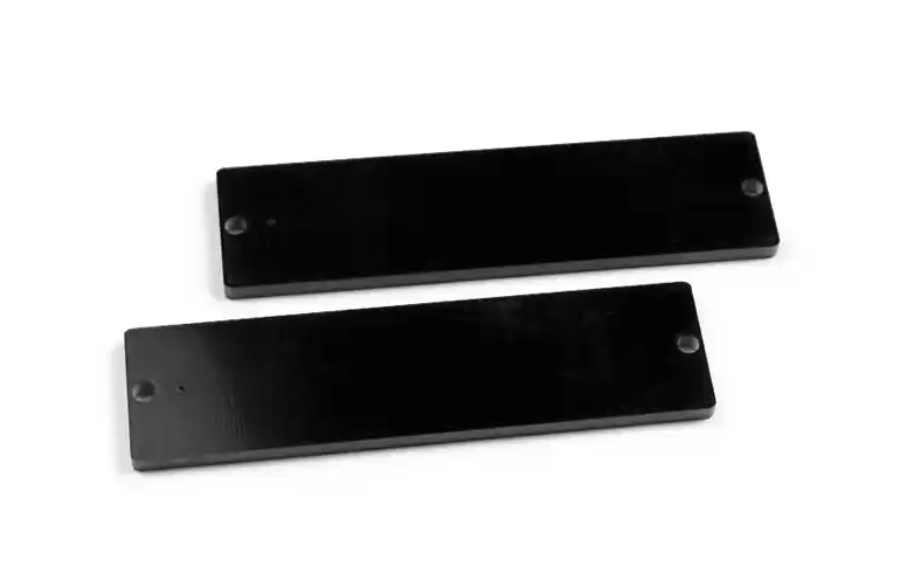
Why Standard RFID Labels Fail on Metal Surfaces
Electromagnetic Detuning and Signal Absorption by Conductive Surfaces
Regular RFID tags just don't work well on metal surfaces because of how metals interfere with radio signals. When placed near conductive materials, these tags face two main problems at once. First, the metal changes where the antenna works best, pushing it out of the normal UHF range we use for most RFID systems (around 860 to 960 MHz). Second, metal soaks up almost all the radio energy trying to reach the tag, sometimes as much as 99%. What happens is that metal creates extra capacitance which messes with how the antenna sends and receives signals. It also becomes an accidental ground plane that bounces around the electromagnetic waves instead of letting them pass through. If manufacturers don't build special isolation features into their tags, communication between the reader and the tag basically stops working. That makes regular RFID useless in places full of metal stuff like factory tool storage areas or equipment cabinets where workers need to track tools and components.
Real-World Impact: Up to 95% Read Range Loss Without Specialized RFID Label Design
These physics-based limitations translate directly into operational failure. Warehouse validation studies show standard RFID labels on metal assets suffer read range collapse—from 12 meters down to under 0.6 meters—a 95% reduction. That forces point-blank manual scanning, eroding automation benefits and creating three critical gaps:
- Inventory inaccuracies from missed scans during high-velocity movement
- Workflow disruptions requiring redundant verification checks
- Data integrity erosion as partial reads corrupt tracking databases
For manufacturing and logistics operations, such failures transform promised ROI into rework, delays, and compliance risk. Only purpose-engineered on-metal RFID solutions address these constraints at the design level.
How On-Metal RFID Labels Overcome Interference
Ferrite Shielding vs. Dielectric Spacers: Performance, Thickness, and Cost Trade-offs
RFID tags designed for metal surfaces rely on two main approaches to combat signal interference problems. The first method involves ferrite shielding which soaks up unwanted radio frequencies. This works really well in noisy environments where most other systems would fail to read properly. However there's a catch: these shields make the overall package much thicker by about 40 to 60 percent and also increase material expenses significantly. Another option is using dielectric spacers that maintain a small air space of around 3 to 5 millimeters between the tag itself and whatever metal surface it's attached to. This technique plays off basic principles of wave behavior to reduce signal distortion issues. While dielectric solutions are definitely thinner at just 0.8 to 1.2 mm compared to ferrite's bulkier 2.5 to 4 mm size, they come with their own challenges. They tend to be roughly 30% cheaper to produce but need careful installation each time they're applied. Plus, readers will generally get 15 to 20% less range when working with these types of tags versus traditional setups.
- Performance: Ferrite delivers superior signal integrity in extreme EMI
- Thickness & Profile: Dielectric enables low-profile mounting on tight-tolerance parts
- Lifetime Value: Ferrite’s durability justifies higher upfront cost in permanent installations
Copper-Etched Antennas with Epoxy-Filled Cavities — Engineering Resilience into the RFID Label
The best on metal RFID tags actually have copper antennas that are etched using chemical processes. These antennas are made with incredible precision at the micron level so they work properly when attached to metal surfaces. The whole thing is then encased in special epoxy filled cavities. This serves two main purposes it protects against shocks from regular industrial handling while also creating a tight seal against water, harsh chemicals, and extreme temperatures ranging from minus 40 degrees Celsius all the way up to 150 degrees Celsius. What makes these tags stand out is their performance. They maintain over 99 percent reading accuracy even in really tough places like auto body shops where paint fumes hang around or oil refineries where assets need constant tracking. Regular RFID labels just fall apart there after only a few weeks. Another big plus is how the epoxy keeps tiny cracks from forming in the antenna wiring. Those little fractures are what typically cause failures in equipment that experiences lots of vibrations day after day.
Proven Industrial Applications of On-Metal RFID Labels
Aerospace MRO: Steel Rack Asset Tracking at 99.2% Accuracy (3m Range)
Steel storage racks in aviation MRO shops have always been a problem for regular RFID systems. New on-metal RFID tags are changing this game completely though, giving around 98.5% accuracy when reading from up to three meters away. This means technicians can actually see where all their expensive tools and parts are located throughout the hangar without guessing. During routine checks, mechanics just walk past a rack and scan everything in seconds flat. Think about what that means practically - no more spending 15 to 20 hours every week manually tracking down misplaced items. These specialized tags work because they're built differently than standard ones. The antennas are specifically shaped to handle metal surfaces properly. For shops needing to meet FAA or EASA regulations, these custom solutions have become absolutely essential in day-to-day operations.
Automotive Manufacturing: Engine Block and Chassis Tagging in High-EMI Assembly Lines
Car manufacturers stick on-metal RFID tags right onto engine blocks and frame structures so they can follow parts as they move through assembly lines filled with electromagnetic interference. Even though there's tons of EMI coming from welders, robots, and plasma cutters around, these special tags still work reliably from over 40 meters away when tested properly. Factory supervisors have noticed something interesting too: when parts specs get checked at every stop thanks to these embedded labels, there are about 30% fewer cases where assemblies get sent down the wrong production path. The secret? Those little dielectric spacers make all the difference for consistent reading, especially on tricky surfaces like curves, ones covered in coolant, or already painted metal areas. Regular RFID stickers just don't stand a chance in these environments once production gets going.
FAQ
What are RFID tags?
RFID (Radio Frequency Identification) tags are small devices that use radio waves to communicate with a reader for identification and tracking purposes.
Why do standard RFID labels fail on metal surfaces?
Standard RFID labels fail on metal surfaces due to electromagnetic interference and signal absorption by conductive surfaces, making it difficult for radio waves to reach the tag successfully.
What solutions are available for using RFID on metal surfaces?
There are specialized on-metal RFID solutions that include ferrite shielding and dielectric spacers to combat signal interference, enabling successful RFID use on metal surfaces.
How do on-metal RFID labels contribute to industrial applications?
On-metal RFID labels offer reliable tracking and tagging solutions in industries like aerospace and automotive manufacturing, allowing for higher accuracy and fewer errors in asset management.