
 EN
EN
Core Functional Differences Between Fixed and Handheld RFID Readers
Reading Range, Power Output, and Physical Installation Requirements
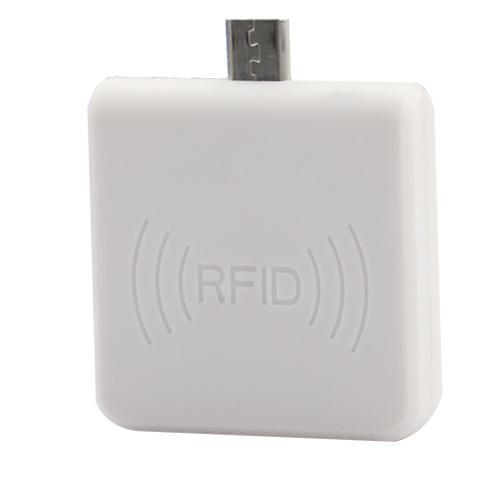
Fixed RFID readers can pick up tags from pretty far away sometimes over 10 meters thanks to their powerful signals and those directional antennas that focus the signal like a flashlight beam. These units need to be installed permanently at key locations like warehouse doorways or where items move off conveyors. They also need constant electricity and proper mounting hardware to work right. Handheld RFID scanners tell a different story though. They run on much less power usually below 5 watts which means they only reach out about 1 to 5 meters. But this limitation is what makes them so portable workers can carry them around easily. The downside? No need for wall outlets or special mounts but batteries do die eventually requiring regular charging sessions. When everything stays put in an organized setting, fixed readers hit nearly perfect accuracy rates around 99.9%. Mobile handhelds generally get between 95% and 98% success when scanning while moving around, showing there's always some compromise between getting consistent results and having something flexible enough to move with operations.
Automation Capability vs. On-Demand Mobility: Operational Trade-offs Explained
At its core, the difference comes down to automation compared to what we might call adaptive mobility. Fixed readers work great for totally automatic, hands off tag reading. They grab those tags when things move through set areas, which means inventory gets updated instantly without anyone needing to do anything. On the flip side, handheld scanners put the power in people's hands literally. Staff can scan stuff anywhere they need to, whether it's in a store's storage area or walking down a hospital hallway. But there's a catch. These handheld devices rely heavily on who happens to be available, how well trained someone is, and exactly when they decide to scan something. Sure, this creates some delays in getting data, but it does offer something special when unexpected tasks pop up. Looking at industry numbers, fixed systems tend to handle about double the amount of daily scans compared to all the handheld units combined. Meanwhile, those portable scanners cut down on lengthy inventory checks by around 70% because workers can just verify specific spots right then and there.
Industry-Specific Use Cases for Each RFID Reader Type
Fixed RFID Reader Applications in Warehousing, Logistics, and Manufacturing
Fixed RFID readers work best where things move fast and follow set patterns. Warehouses often install these at dock doors to track pallets going in and out, which cuts down processing time dramatically compared to old school barcode systems sometimes by as much as ninety percent. Logistics centers put them right on conveyor belts so packages get sorted as they go by, not waiting around. Meanwhile factories slot readers straight into assembly lines to check if components are there when they should be and whether everything is assembled correctly. The benefits for just-in-time inventory management are huge. A major car parts manufacturer saw their problem with misplaced parts drop by about thirty percent once they started using fixed readers throughout their receiving area and kit building stations. Makes sense really, since nobody wants to waste time looking for missing pieces in a production line.
Handheld RFID Reader Use Cases in Retail Inventory Management and Healthcare Asset Tracking
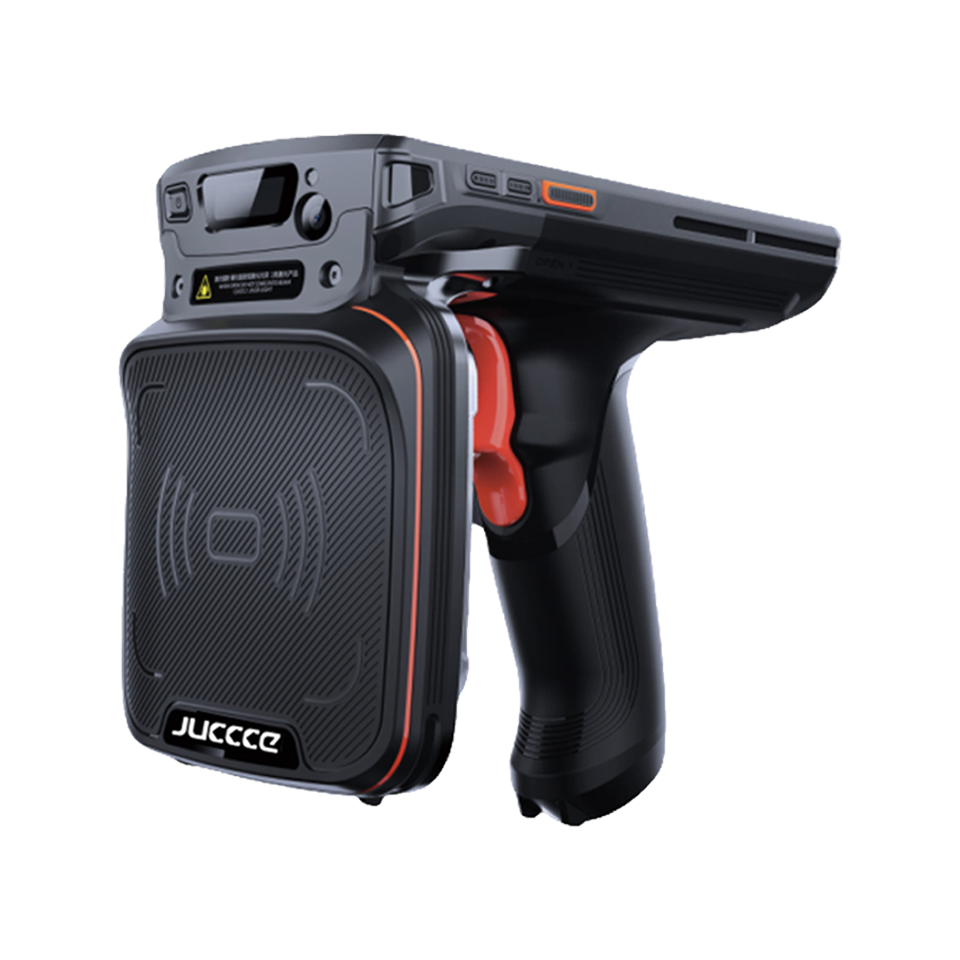
Handheld readers really shine when people need to move around quickly and get things done right away. Retail staff love using these devices for quick inventory checks, scanning entire clothing displays or sections of shelves within seconds. This makes a huge difference in inventory accuracy, bringing it up from about 60% with old manual methods to well over 95% during busy shopping periods. Hospitals find these tools invaluable too for tracking down essential medical equipment like infusion pumps and ventilators throughout large buildings. One major hospital chain actually cut down their equipment search times by three quarters after implementing handheld scanners. The fact that these devices can be carried anywhere makes them perfect for urgent tasks like checking if medications stored at proper temperatures or confirming patients have the correct RFID wristbands at their bedsides something that just wouldn't work with stationary equipment setups.
Key Decision Criteria: Aligning Your RFID Reader Choice with Business Needs
Environment, Workflow Integration, and Future Scalability Requirements
Choosing the right RFID reader hinges on three interdependent factors: operational environment, workflow alignment, and scalability trajectory.
Environment: Fixed readers are engineered for industrial resilience—IP65+ ratings, wide temperature tolerance, and EMI shielding make them ideal for warehouses, loading docks, and production floors. Handheld units prioritize ergonomics and battery life over ruggedness, making them better suited to dynamic, staff-facing spaces like retail floors or clinical wards.
Workflow integration: Fixed readers automate repetitive, high-volume touchpoints (e.g., pallet verification at gateways), minimizing labor input and human error. Handhelds empower staff to initiate scans on demand—ideal for exception handling, spot checks, or decentralized operations where assets move unpredictably.
When it comes to scaling operations, fixed systems work differently than handheld ones. With fixed setups, expanding coverage usually involves adding more readers connected to a central system, but this approach needs significant investment in infrastructure right from the start. On the other hand, handheld solutions can be expanded bit by bit as staff requirements change or areas needing coverage expand. However, these portable options come with their own headaches like keeping batteries charged, setting up new devices, and making sure everyone knows how to use them properly. For businesses that need lots of automation in places where things don't change much day to day, fixed readers tend to offer better value over time. But companies working across multiple locations or dealing with constantly changing environments find that the flexibility of handheld equipment gives them a real advantage when conditions shift unexpectedly.
Total Cost of Ownership and ROI Considerations for Fixed and Handheld RFID Readers
When looking at total cost of ownership for RFID readers, the price tag is just the beginning. Installation costs, ongoing energy expenses, regular maintenance needs, unexpected downtime, plus all those labor hours add up over time. Fixed reader systems typically require a bigger upfront spend because they need proper cabling setup, special mounting equipment, and expert installation services. But there's a silver lining here too. The automation these systems bring can actually cut down on manual work significantly. Warehouse managers report seeing real returns on investment pretty quickly in busy dock areas where things move fast. We're talking anywhere from about a year to maybe 18 months before the savings start outweighing the costs. As for power usage? Not bad considering how much work these readers handle day after day. And if properly placed away from harsh conditions, most maintenance becomes something that happens once every few years rather than constantly.
The upfront cost for handheld readers is definitely lower and they get deployed quickly, though there are ongoing expenses to consider like replacing batteries, setting up charging stations, fixing screens, plus dealing with lost or damaged units during regular use. On the flip side, those specially designed rugged handheld devices cut down total cost of ownership over five years by around half when compared to regular consumer models. This happens mainly because they last longer and break down less often. The real value these bring isn't so much about how fast they process data, but rather how they make operations more flexible. Stores can complete inventory checks quicker, avoid running out of stock, and make better use of their assets. These benefits matter a lot in places like retail stores where staff need to track products across different sections, or hospitals managing medical equipment between departments.
The return on investment timeline varies between different approaches. Fixed readers tend to pay for themselves quickly when dealing with consistent, large volume operations. Handheld devices make financial sense in situations where workflow changes frequently and requires manual labor. When thinking about scaling up, the choice becomes clearer too. Fixed systems work well for companies needing strict control across their entire organization. On the flip side, building a fleet of handhelds lets businesses adopt technology gradually based on specific needs, which often matches better with how operations actually evolve over time in many industries.
FAQs
What are the power requirements for fixed RFID readers versus handheld scanners?
Fixed RFID readers require a constant power supply and are hardwired into facilities, whereas handheld scanners use batteries, requiring periodic charging.
How does the accuracy of fixed RFID readers compare to handheld scanners?
Fixed RFID readers achieve nearly perfect accuracy rates around 99.9%, while handheld scanners typically range from 95% to 98% accuracy.
What are the typical deployment costs and ROI for fixed versus handheld RFID systems?
Fixed RFID systems typically require a higher upfront investment due to infrastructure and installation needs, but they offer quicker ROI in high-volume operations. Handheld systems are less costly initially but have ongoing expenses related to maintenance and battery replacement.
How do RFID reader types impact workflow and operational flexibility?
Fixed readers streamline automated processes in stable environments, while handheld readers offer more flexibility, enabling workers to adapt to changing tasks and environments on the fly.
Table of Contents
- Core Functional Differences Between Fixed and Handheld RFID Readers
- Industry-Specific Use Cases for Each RFID Reader Type
- Key Decision Criteria: Aligning Your RFID Reader Choice with Business Needs
- Total Cost of Ownership and ROI Considerations for Fixed and Handheld RFID Readers
-
FAQs
- What are the power requirements for fixed RFID readers versus handheld scanners?
- How does the accuracy of fixed RFID readers compare to handheld scanners?
- What are the typical deployment costs and ROI for fixed versus handheld RFID systems?
- How do RFID reader types impact workflow and operational flexibility?