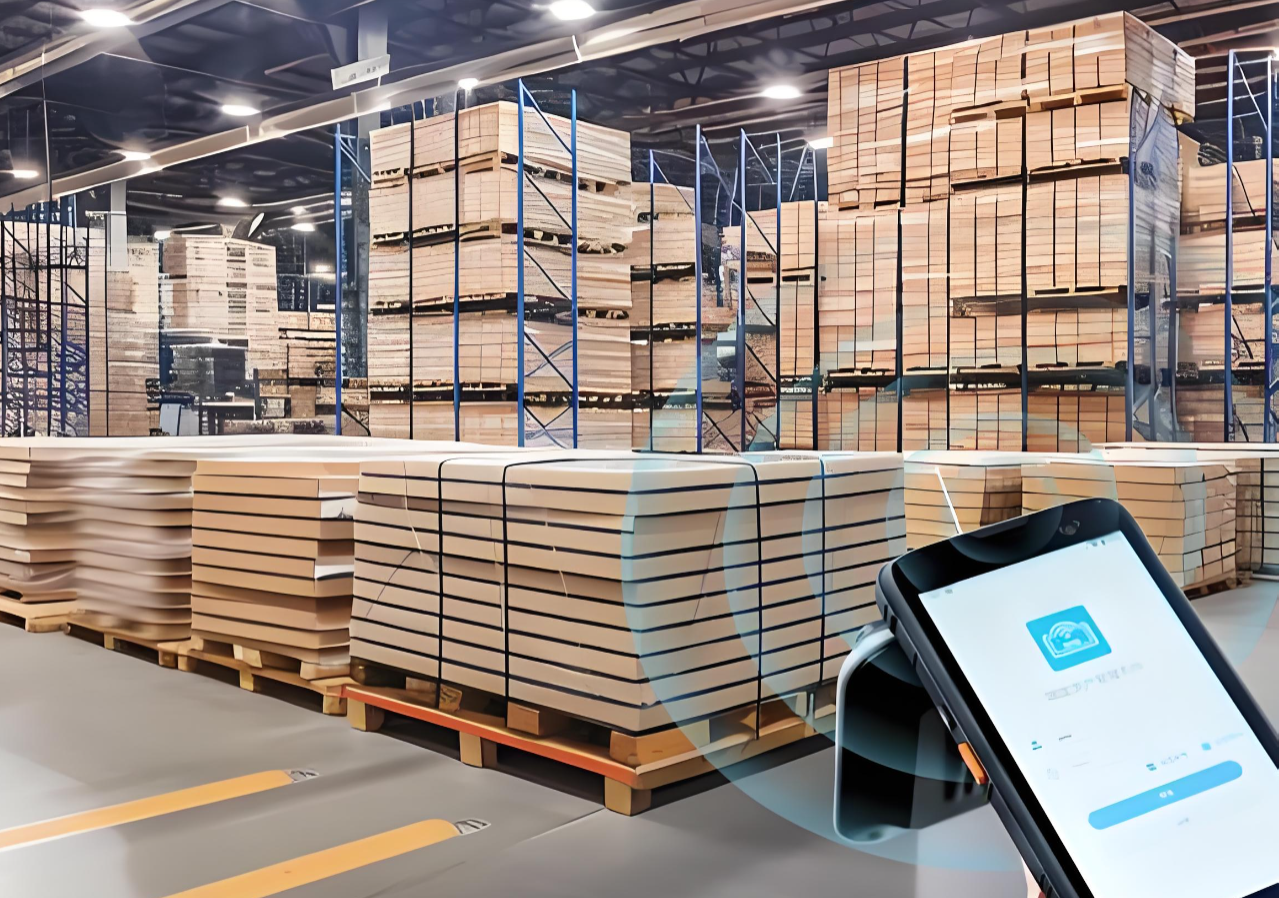
RFID Fundamentals: How It Solves Core Inventory Visibility Gaps Accurate inventory records are the backbone of profitable retail operations, yet persistent gaps undermine this foundation. The following sections explore why traditional methods fall sh...
VIEW MORE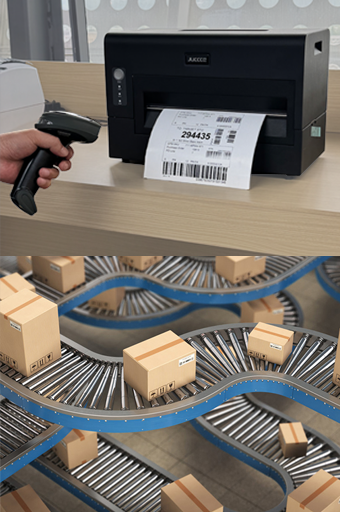
Align Barcode Scanner Type with Workflow Mobility and Task Demands Handheld, Ring, Fixed-Mount, and Mobile Computer Scanners: Use-Case Fit Analysis Matching the scanner form factor to the movement pattern of each task is the first step in preventin...
VIEW MORE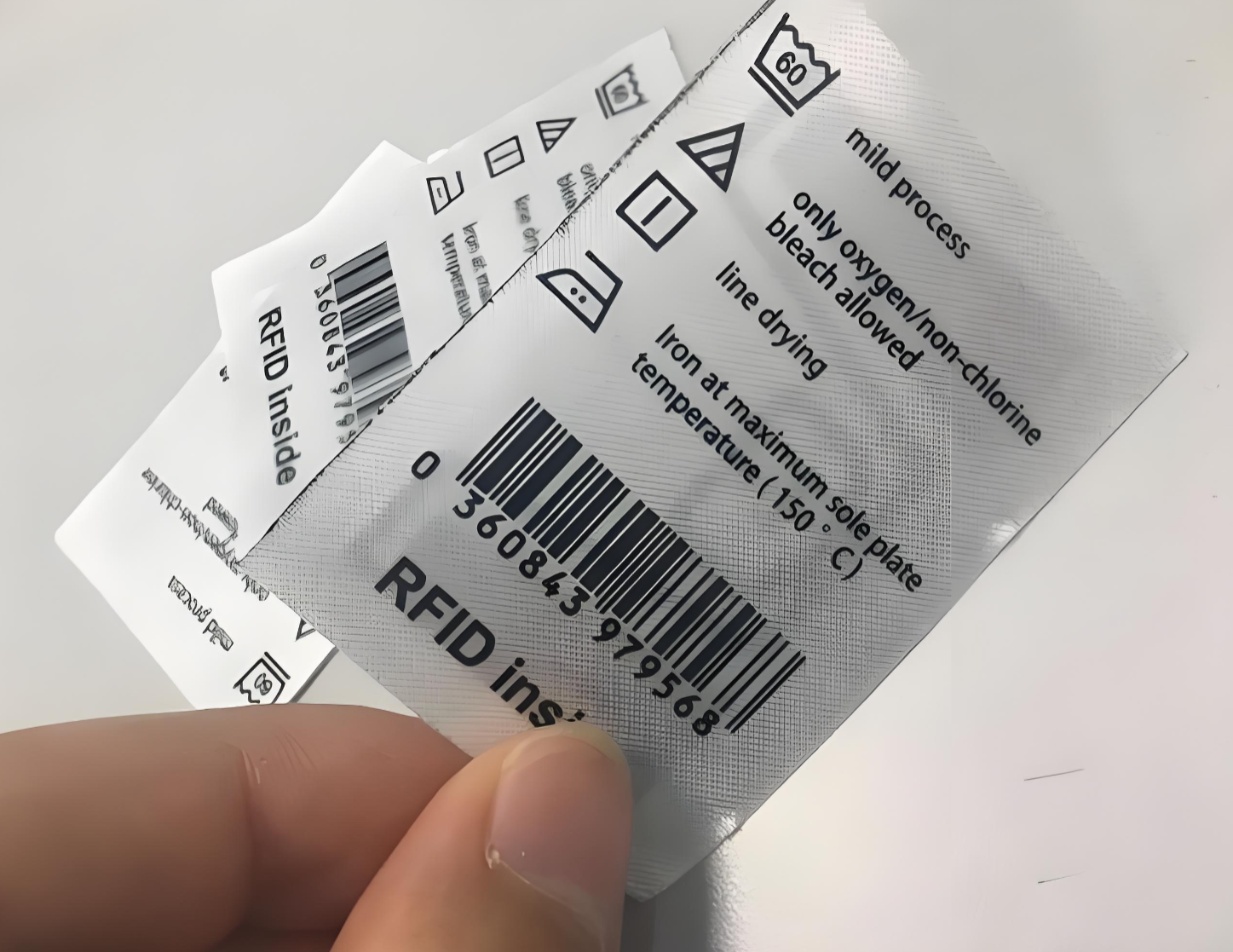
RFID Fundamentals: Why It Outperforms Barcodes for Inventory AccuracyHow RFID Enables Contactless, Bulk, Real-Time ScanningRFID technology uses radio waves to identify and track items without physical contact or line-of-sight alignment. Each tag cont...
VIEW MORE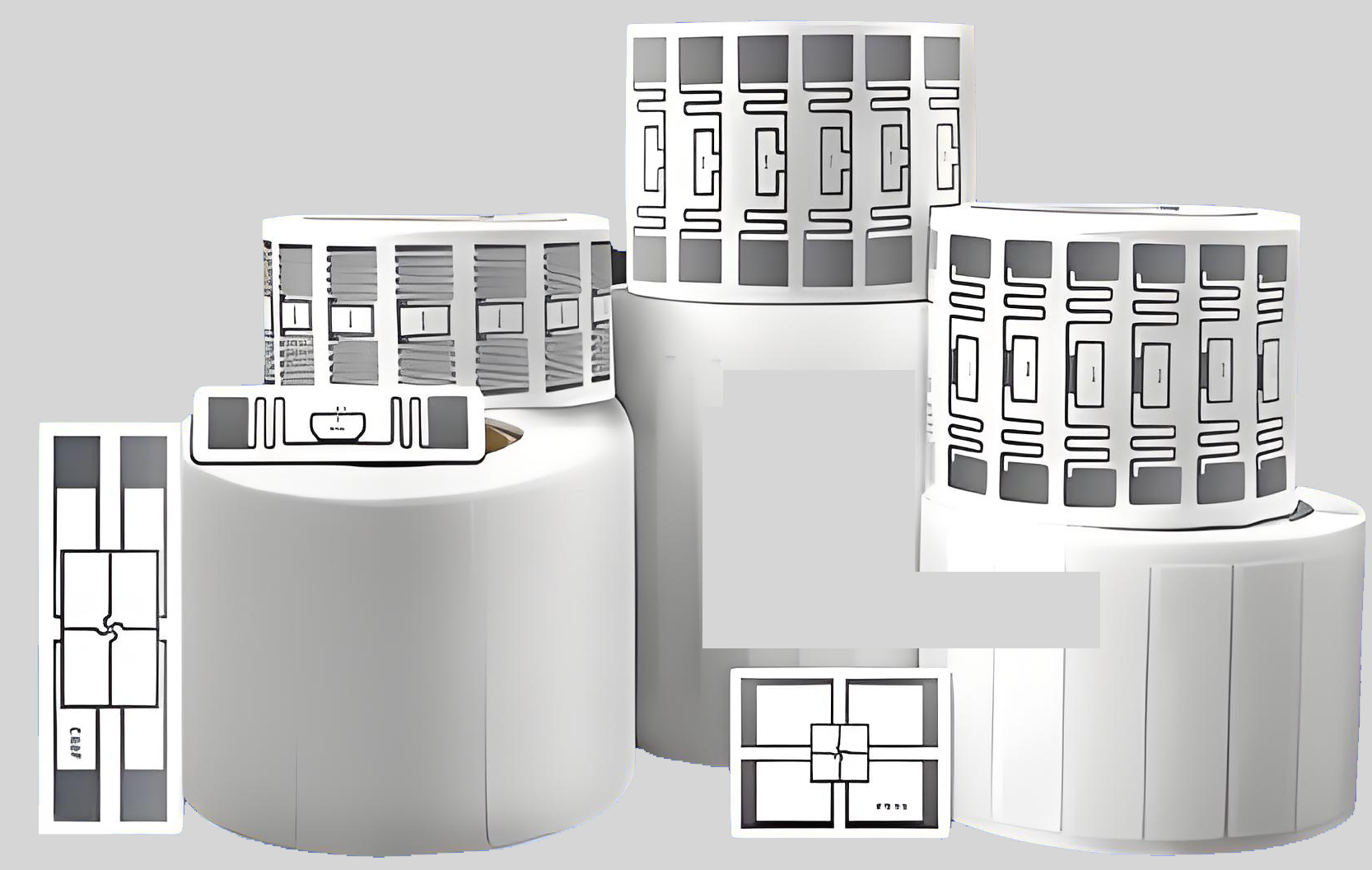
What Is RFID and How Does It Work?RFID (Radio Frequency Identification) uses electromagnetic fields to automatically identify and track tags attached to objects. Unlike barcode systems that require a direct line of sight, RFID can read multiple tags ...
VIEW MORE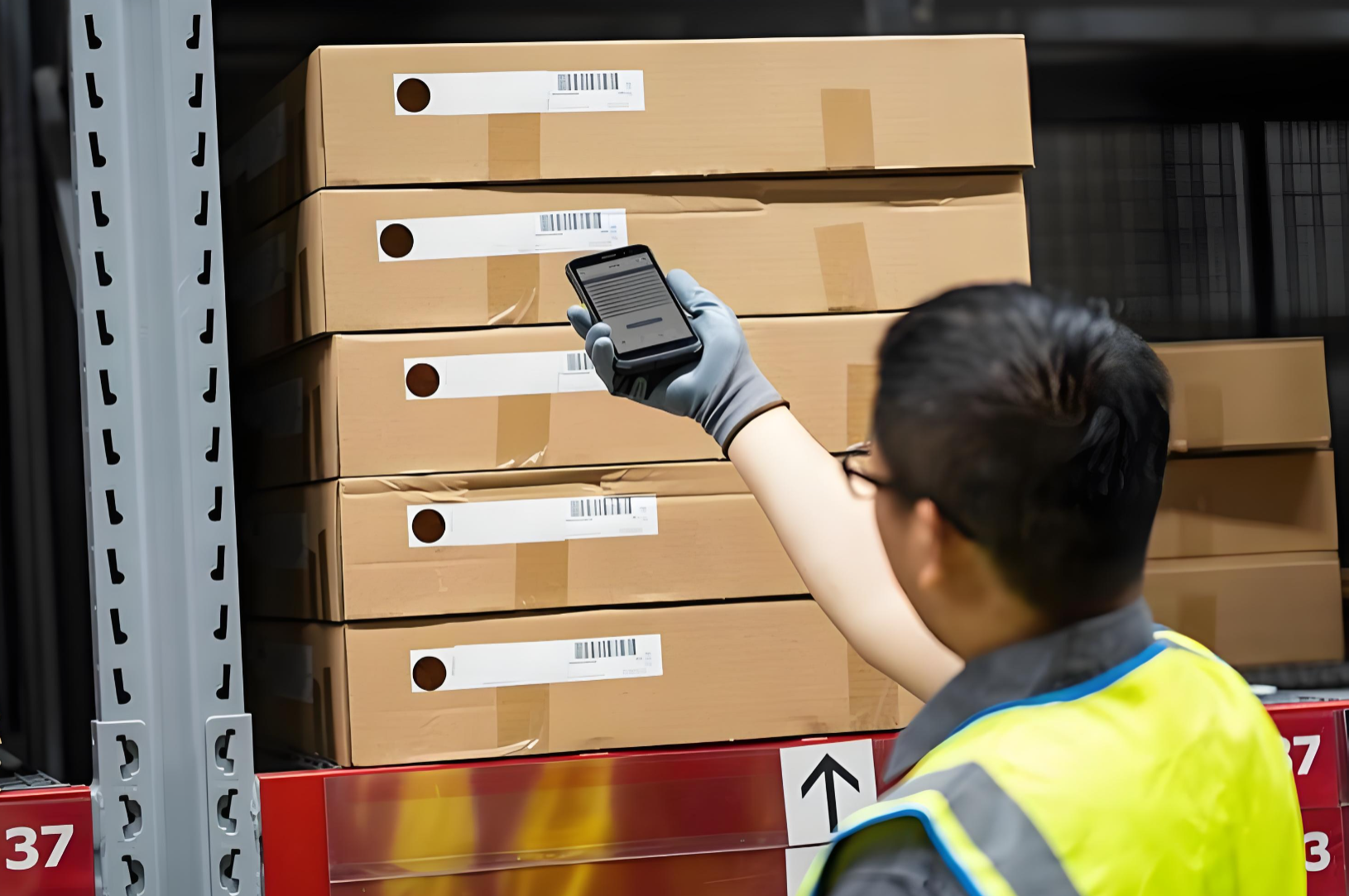
Cycle counting is a critical practice for maintaining inventory accuracy in modern warehouses and distribution centers. Transitioning from traditional, paper-based manual counting to handheld Personal Digital Assistants (PDAs) eliminates data entry...
VIEW MORE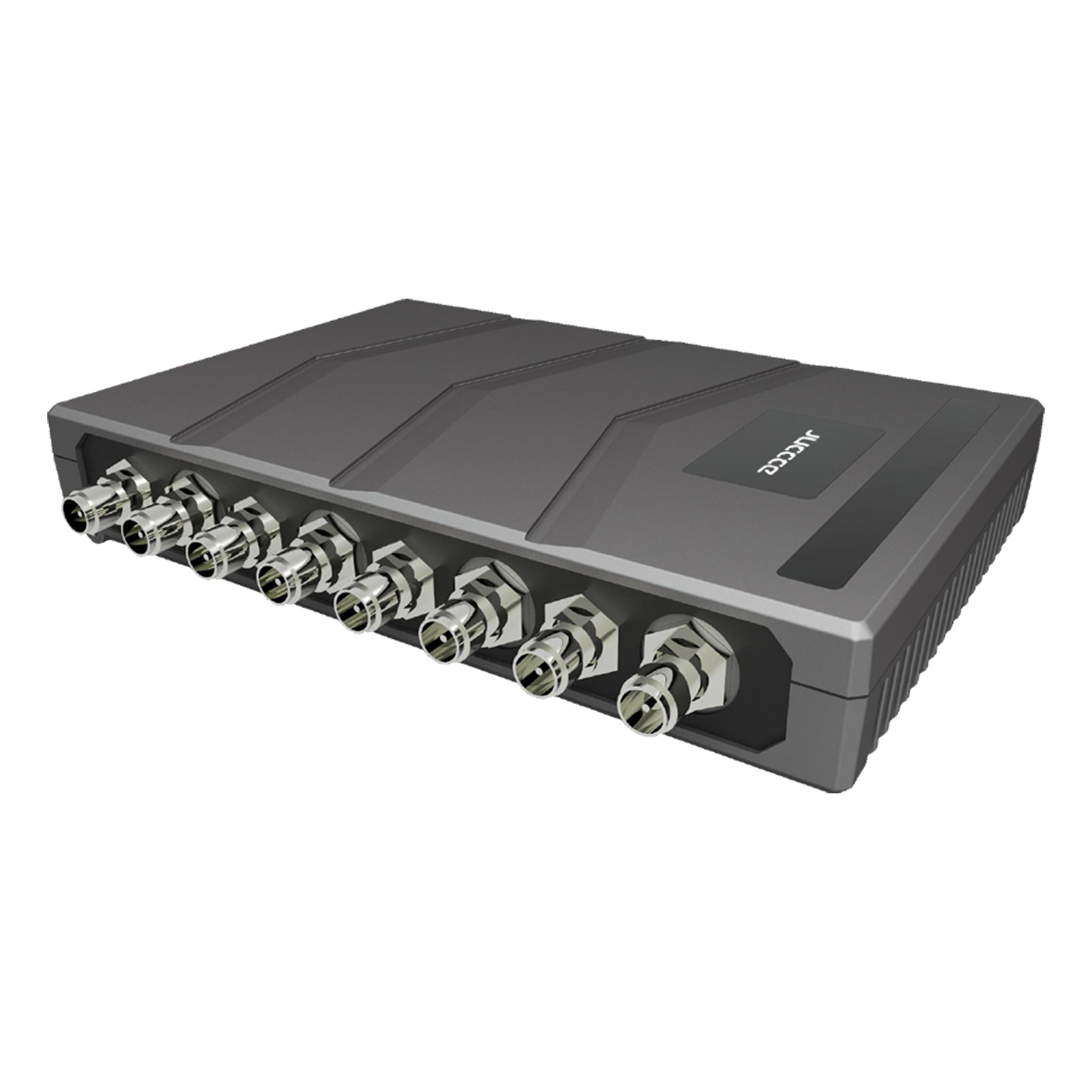
In modern retail management, maintaining real-time inventory visibility is a fundamental challenge. Traditional manual stocktakes require significant labor, cause operational downtime, and often result in inventory discrepancies. Deploying Radio Fr...
VIEW MORE
A label is not merely an adhesive sticker; it serves as the critical initial touchpoint between a product and the consumer. In high-volume wholesale operations, selecting an ineffective label solution can result in brand degradation, inventory trac...
VIEW MORE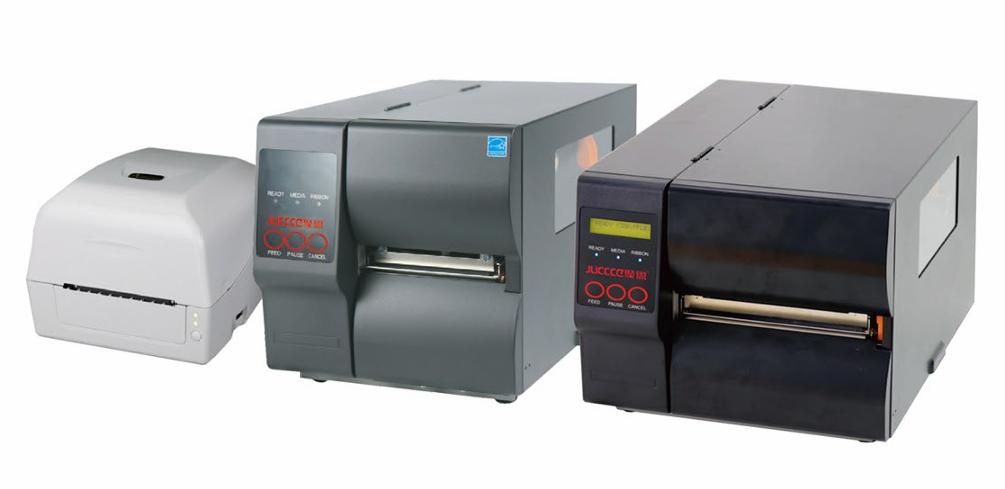
Choosing the right label printer technology is a critical operational decision for any warehouse, logistics center, or manufacturing facility. Selecting the wrong printing technology can lead to unreadable barcodes, supply chain delays, and incre...
VIEW MORE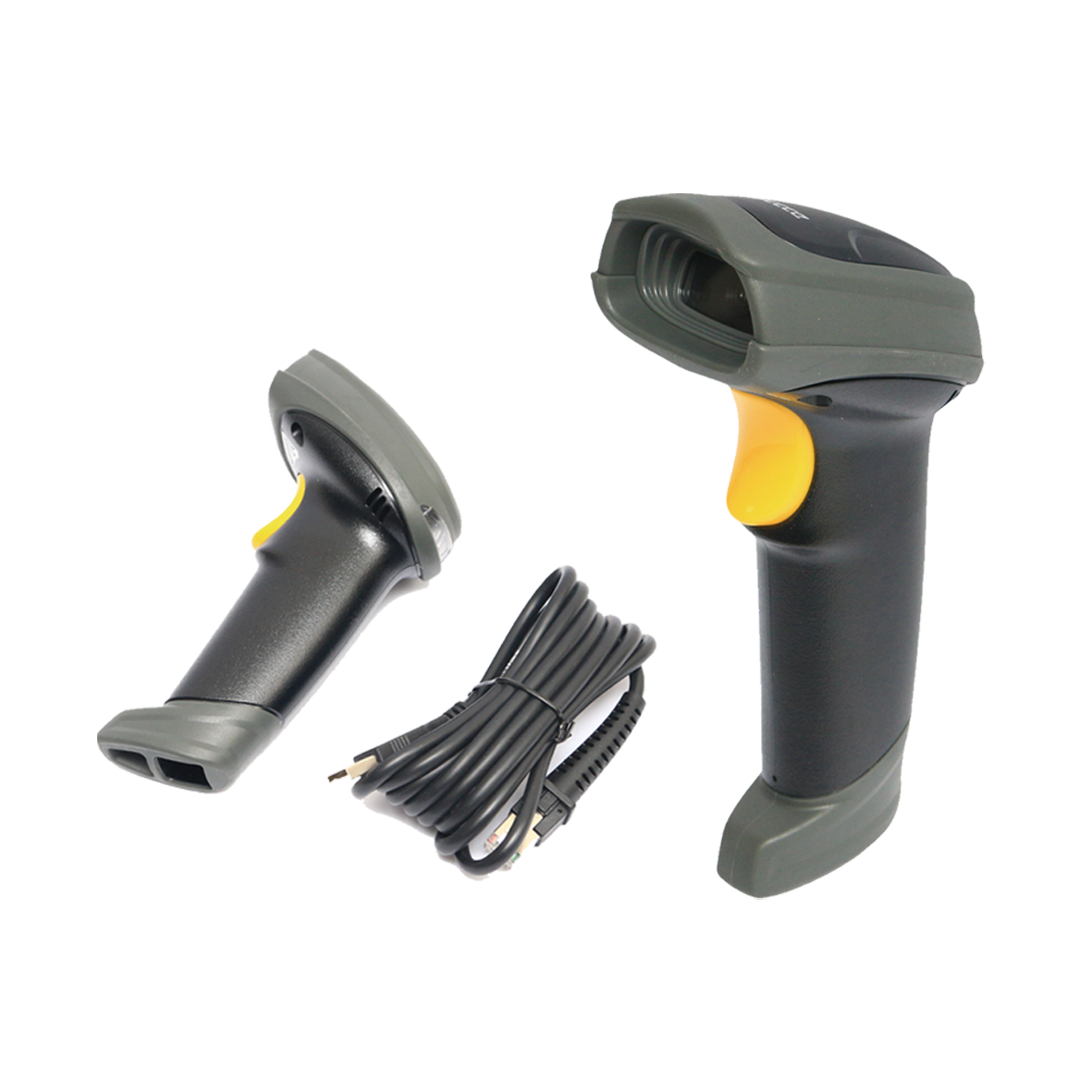
Choosing a barcode scanner for a warehouse is an operational decision that affects every single person on your floor, every single day. A bad hardware choice can lead to dropped connections, unreadable labels, and costly mis-picks—costing tho...
VIEW MORE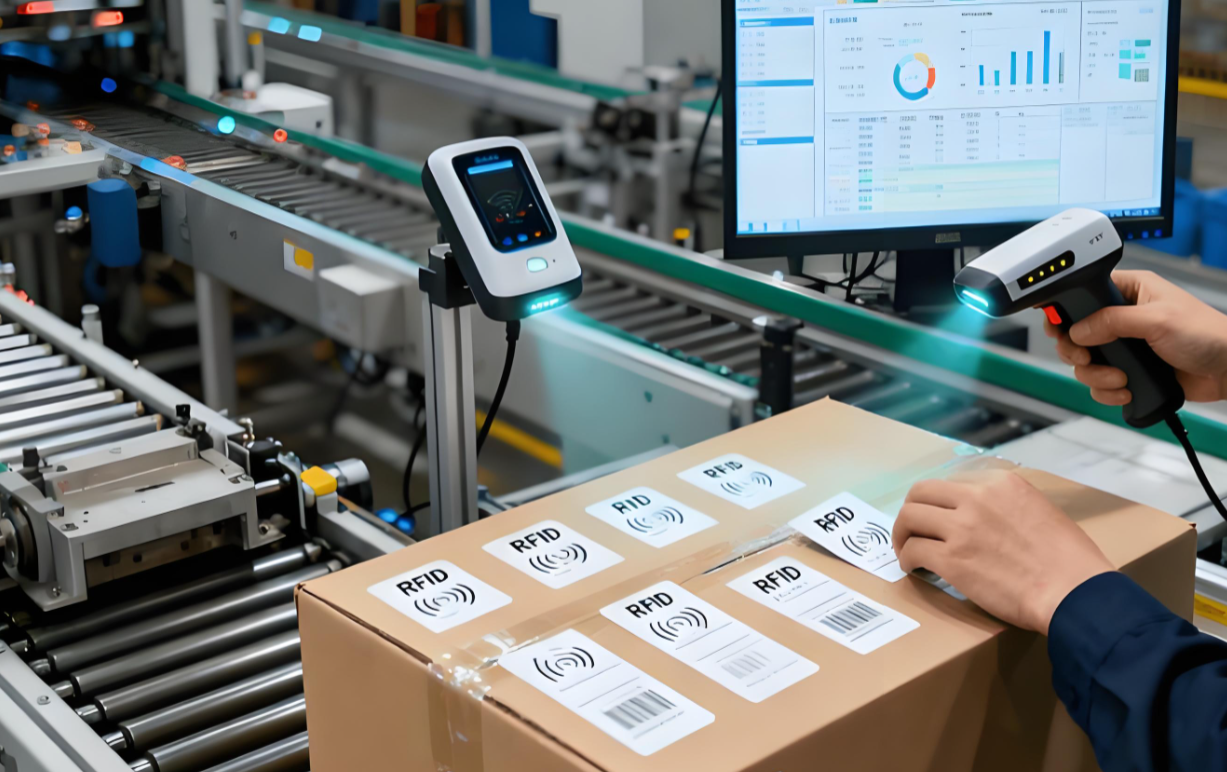
Understanding Global Frequency Regulations and Their Impact on RFID Label DesignWhen deploying RFID labels globally, adherence to regional frequency regulations is essential. A label approved in North America may be non‑compliant in Europe or Asia—ri...
VIEW MORE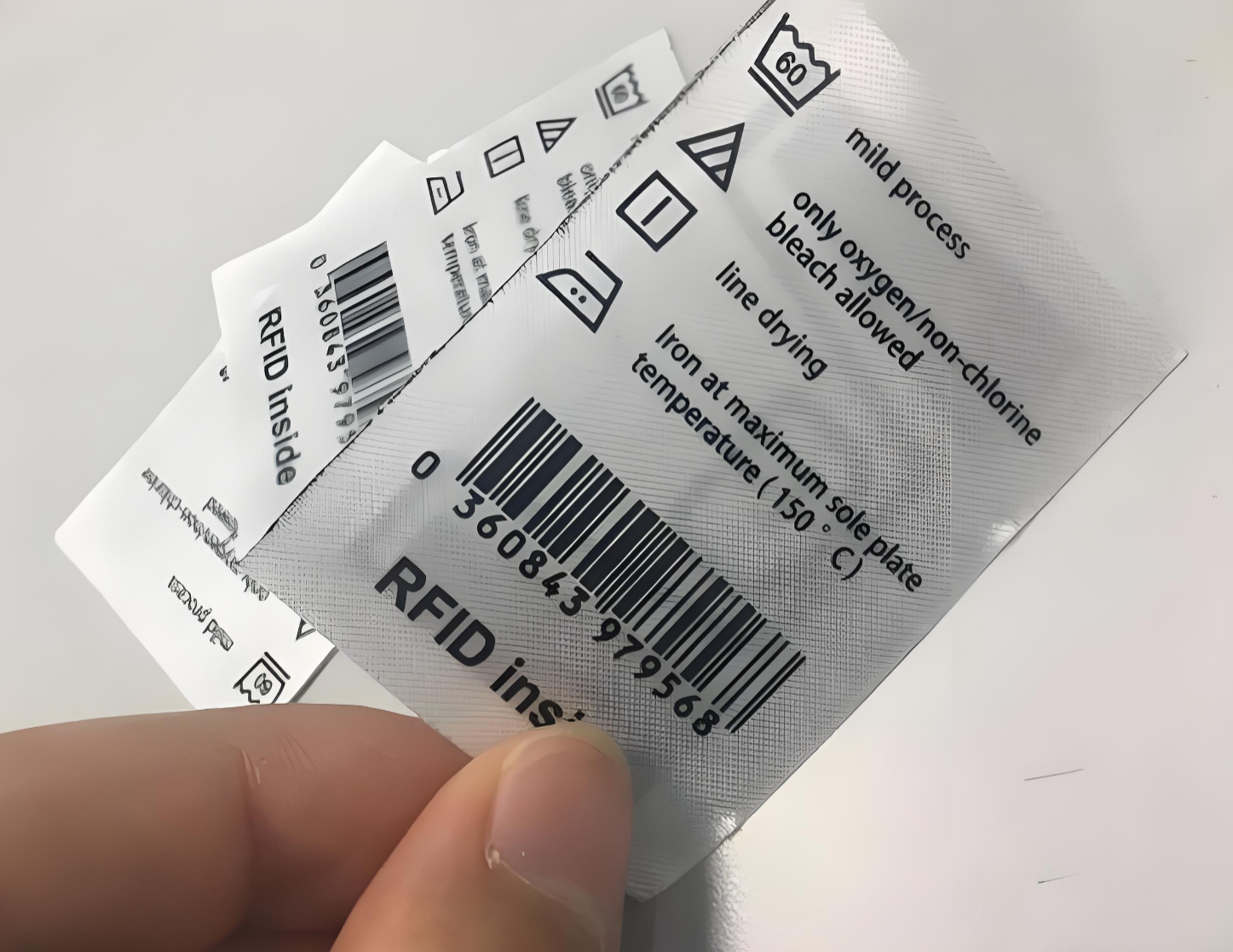
The Strategic Value of Combined Barcode and RFID Encoding on a Single RFID LabelIn modern logistics, a single RFID label that carries both a barcode and an RAIN RFID inlay bridges the gap between visual scanning and hands‑free data capture. This hybr...
VIEW MORE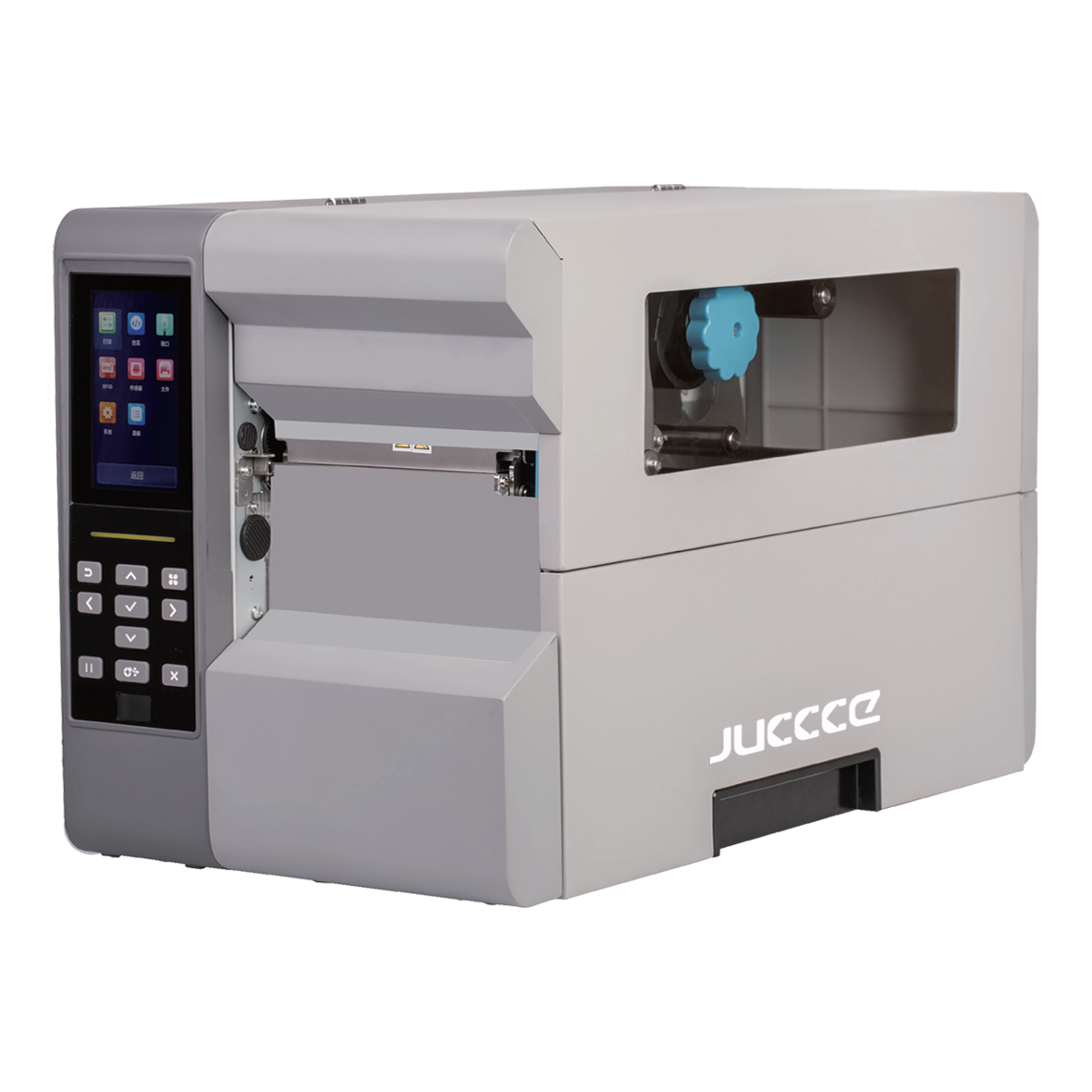
How Secure Barcode Labels Enable Multi-Layer Anti-Counterfeiting Counterfeit goods drain an estimated $500 billion from the global economy each year (OECD 2022), making robust brand protection essential. Secure barcode labels combat this threat by l...
VIEW MORE
Founded in 2003, JUCCCE Intelligent Technology has been focusing on hardware and software solutions in the field of barcode, RFID, machine vision, mechanical intelligence and automation, etc, with more than 22 years of experience in the industry.
No.26, Liando U Valley, Lane 777, Qingfeng Road, Cicheng Town, Jiangbei District, Ningbo, Zhejiang.
Copyright © 2026 by Ningbo Juccce Intelligent Technology Co., Ltd. Privacy Policy
 EN
EN