
 EN
EN
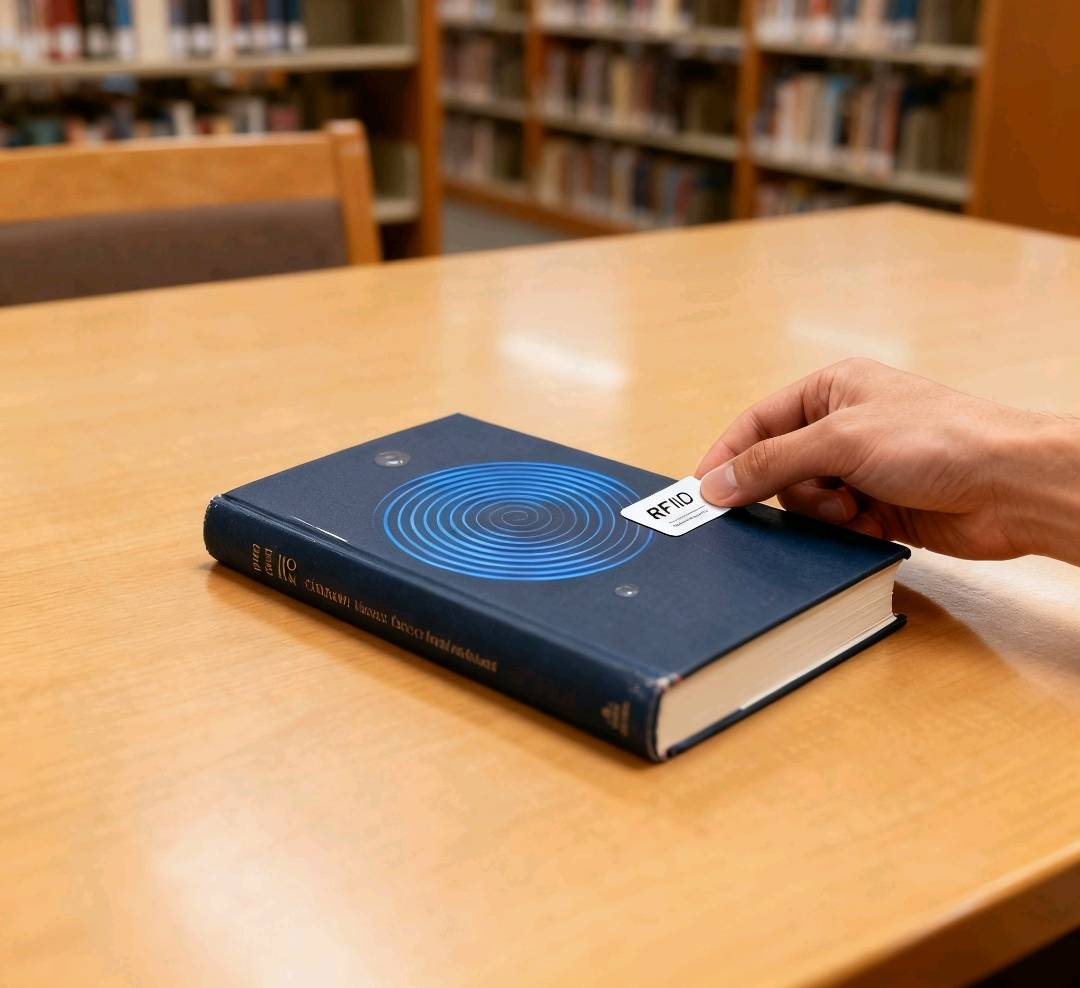
Streamlined Inventory Management with RFID Labels
Real-Time Shelf Auditing and Misplaced Item Recovery
RFID label technology enables instant, contactless scanning of entire shelves—eliminating manual searches and revealing misplaced items even when hidden behind others. This real-time visibility reduces collection gaps by up to 40% compared to barcode-based audits and supports 90% faster recovery of high-demand materials, directly improving resource availability for patrons.
Automated Inventory Cycles: From Weeks to Hours
What once took weeks of labor-intensive stocktaking now completes in hours. A single librarian can scan 20,000 items per hour using RFID—100 times faster than traditional barcode methods—while sustaining 99.9% inventory accuracy. Libraries avoid disruptive annual closures for inventory and realize operational savings averaging $740,000 annually (Ponemon Institute, 2023), shifting inventory oversight from a reactive chore to a continuous strategic function.
Enhanced Patron Experience via RFID Label–Enabled Self-Service
One-Touch Checkout and Return, Cutting Wait Times by Up to 70%
RFID-powered self-service kiosks process entire stacks of books or media with a single tap—no item-by-item alignment required. Transaction speeds improve by 50–70% versus manual checkout, eliminating peak-hour queues and elevating patron satisfaction. The contactless interface also improves accessibility for elderly users and caregivers with strollers, while integrated return slots support 24/7 processing. Post-implementation, libraries report a 30% increase in material turnover, reflecting stronger engagement driven by frictionless access.
Staff Empowerment: Shifting from Transactions to Reader Engagement
Automating checkouts and returns frees 15–20 hours weekly per staff member—time redirected toward high-impact services: curating personalized reading lists, hosting author events and writing workshops, delivering in-depth research support, and expanding community outreach. This transition strengthens professional fulfillment and deepens patron relationships. Per the American Library Association, libraries adopting self-service technologies see 40% higher program participation—reinforcing their evolution from transactional spaces into dynamic learning commons.
Robust Security and Theft Prevention Powered by RFID Labels
RFID labels elevate library security through intelligent deactivation and multi-zone detection—moving decisively beyond the limitations of legacy Electronic Article Surveillance (EAS). Unlike basic EAS systems that trigger broad, indiscriminate alarms, RFID enables conditional deactivation: security status toggles automatically during authorized checkout or return, eliminating false alarms that erode trust and frustrate users.
Intelligent Deactivation and Multi-Zone Detection Beyond Traditional EAS
Dual-frequency RFID tags—combining UHF for inventory tracking and dedicated EAS frequencies for theft deterrence—enable layered, adaptive protection. Exit gates detect unauthorized removals across multiple angles simultaneously, while handheld scanners locate misplaced or misfiled items anywhere in the building—from quiet study areas to staff zones—accelerating recovery of high-value assets by 40%. This granular visibility cuts shrinkage and allows staff to prioritize engagement over surveillance.
Key security advantages include:
- Dynamic deactivation: Automatic, context-aware security toggling during circulation events
- Pinpoint tracking: Real-time location data for every tagged item
- Adaptive zoning: Customizable detection parameters for entrances, special collections, and restricted areas
Strategic Decision-Making Through RFID Label–Generated Analytics
Anonymous Circulation Data Driving Collection Development and Space Planning
RFID systems generate anonymized, privacy-compliant circulation analytics that directly inform collection development and facility planning. By identifying high-demand genres, underused subject areas, and seasonal usage trends, libraries make evidence-based acquisition and weeding decisions—reallocating budgets toward emerging community interests and away from stagnant holdings. Heat maps derived from item movement patterns reveal traffic bottlenecks and underutilized zones, guiding space redesigns that improve material discoverability and user flow. These insights replace intuition with empirical analysis, enabling proactive, cost-efficient alignment between collections, services, and community needs—supported by predictive models trained on historical RFID data.
FAQ
What are RFID labels?
RFID labels are tags that use radio frequency identification technology to track and manage inventory without the need for direct line-of-sight scanning.
How do RFID labels improve inventory management?
RFID labels enable real-time, contactless scanning of entire shelves, reducing reliance on manual inventory checks and improving item recovery rates.
Can RFID labels enhance patron experience in libraries?
Yes, RFID labels allow for one-touch checkout and return at self-service kiosks, significantly cutting wait times and improving patron satisfaction.
How do RFID labels improve library security?
RFID labels provide conditional security measures that automatically toggle during authorized transactions, minimizing false alarms and increasing theft deterrence.
What analytics can RFID labels provide for libraries?
RFID labels generate anonymized circulation data that assists libraries in strategic collection development and space planning decisions.