
 EN
EN
Why High-Volume Industrial Barcode Printers Are Critical for Enterprise Operations
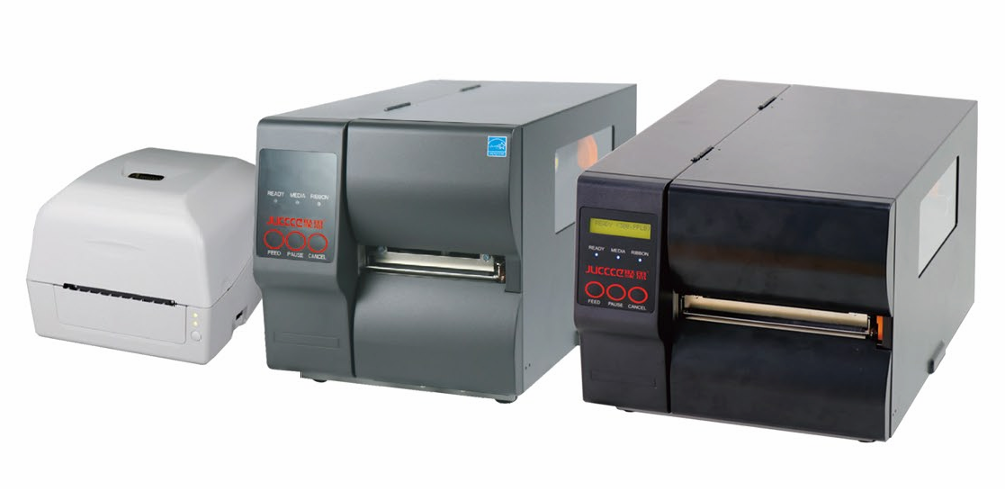
Industrial barcode printers form the backbone of modern supply chains. Designed for daily print volumes exceeding 5,000 labels—20× more than desktop models—they operate reliably in harsh environments ranging from –15°C to 50°C. Unlike consumer-grade alternatives, these rugged systems deliver print speeds of 6–14 inches per second with true 24/7 uptime. This eliminates labeling bottlenecks across warehouses and production lines. The operational impact is measurable: enterprises reduce total cost per label by 60–75% ($0.02–$0.04 vs. $0.08–$0.12) while achieving 99.9% scan accuracy. Built-in Ethernet and Wi-Fi connectivity enables real-time integration with warehouse management systems (WMS), transforming labeling from a cost center into a strategic asset.
Thermal Transfer vs. Direct Thermal: Choosing the Right Barcode Printer Technology
When Thermal Transfer Barcode Printers Excel: Durability, Outdoor Use, and Long-Term Scannability
Thermal transfer printers create permanent images by melting ink from ribbons onto labels—delivering superior resistance to UV light, chemicals, and temperature extremes. Labels remain scannable for five years or more, supporting long-term compliance and asset tracking requirements. In contrast, direct thermal labels fade within 6–12 months under typical warehouse lighting or outdoor exposure. Thermal transfer also withstands abrasion far better: forklift collisions, friction, and handling won’t compromise barcode integrity. For outdoor equipment tagging or chemical drum labeling, this technology ensures lasting readability—and cuts relabeling costs by up to 70%.
Media and Ribbon Compatibility: PET, Synthetic Labels, and Wax-Resin Ribbons for Harsh Environments
Thermal transfer printers support specialized media engineered for extreme conditions. Polyester (PET) and polypropylene synthetic labels resist moisture, solvents, tearing, freezer storage, oil exposure, and weathering. Ribbon selection further tailors durability:
- Wax ribbons: Cost-effective for general indoor warehouse use
- Full resin ribbons: Withstand temperatures from –40°F to 300°F and resist aggressive chemicals
- Wax-resin hybrids: Balance durability and affordability for shipping and pallet labels
Proper pairing prevents smudging in humid environments and ensures adhesion on curved or irregular surfaces—making thermal transfer the preferred choice for chemical manufacturing, cold chain logistics, and automotive applications.
Key Technical Specifications That Define a High-Performance Barcode Printer
Speed, Resolution (300–600 dpi), and Uptime Reliability for Consistent Label Output
In high-volume operations, sustained print speed—6–14 inches per second—is essential to keep pace with production schedules. Resolution between 300–600 dpi ensures precise scannability of complex barcodes, even under variable lighting or at extended scanning distances—critical for minimizing misreads in global supply chains. True industrial reliability means continuous operation across 20,000+ labels per day. Printers built with hardened components and intelligent error-correction systems maintain consistent output despite dust, vibration, or ambient temperature fluctuations.
Scalable Features: Auto-Cutters, Rewinders, Ethernet/Wi-Fi, and Enterprise-Grade Management Software
Modular attachments like auto-cutters and rewinders automate label handling, eliminating manual intervention during batch processing. Native Ethernet and Wi-Fi connectivity enable seamless WMS integration and remote monitoring across distributed facilities. Enterprise-grade software centralizes firmware updates, usage analytics, and predictive maintenance alerts—reducing unplanned downtime by 30%. These capabilities transform standalone hardware into networked infrastructure, supporting scalable growth while keeping total cost per label below $0.04.
Top 3 Industrial Barcode Printers for High-Volume Production Environments
Zebra ZT600 Series: Precision, Speed, and Integration for Automotive and Logistics
The Zebra ZT600 series delivers industrial-grade precision with resolutions up to 600 dpi—essential for GS1-compliant automotive part tracking and logistics labels. Its 14-inch-per-second print speed sustains throughput during peak shifts, while integrated tools streamline SAP® and WMS connectivity. Heavy-duty steel construction absorbs factory vibrations, and its 203 MHz processor handles complex barcode formats without buffer delays. A modular design supports field upgrades including RFID encoding and dual-stripe card printing.
Honeywell PC45: Rugged Simplicity and Cloud-Ready Workflow for Mid-Scale Warehousing
Built for demanding warehouse environments, the Honeywell PC45 features MIL-STD-810G-certified drop resistance and a dust-sealed print mechanism. Its cloud-native architecture enables centralized label management across multiple sites via a single dashboard—cutting IT intervention by 40% according to operational studies. Tool-free media loading accelerates roll changes, and optional 4-inch-wide printing accommodates large-format pallet labels. Intuitive color touchscreens reduce training time at picking and shipping stations.
SATO CL612e: High-Duty Cycle Performance with Low Total Cost of Ownership
The SATO CL612e delivers true 24/7 performance with ENERGY STAR® certification for industry-leading energy efficiency. Its dynamic calibration automatically adjusts for varying label stocks—including polyester and polypropylene—eliminating manual setup. The integrated cutter-rewinder module processes over 10,000 labels per load, while field-replaceable print heads reduce maintenance costs by 60% compared to competitive models. Advanced error detection prevents misprinted batches, with real-time SNMP alerts ensuring rapid resolution.
FAQ
What are the benefits of using industrial barcode printers over desktop models?
Industrial barcode printers offer higher daily print volumes, greater reliability in harsh environments, faster print speeds, and reduced total label costs compared to desktop models. They also provide true 24/7 uptime and real-time integration with warehouse management systems.
Why should I choose thermal transfer technology for barcode printing?
Thermal transfer technology offers superior durability, resistance to UV light, chemicals, and abrasion, and ensures long-term scannability for labels. It's ideal for outdoor use and environments where labels face harsh conditions, reducing relabeling costs significantly.
What features should I look for in a high-performance barcode printer?
Important features include high print speed, resolution between 300–600 dpi, reliable continuous operation, modular attachments like auto-cutters and rewinders, and seamless Ethernet and Wi-Fi connectivity for integration with warehouse management systems.
Table of Contents
- Why High-Volume Industrial Barcode Printers Are Critical for Enterprise Operations
- Thermal Transfer vs. Direct Thermal: Choosing the Right Barcode Printer Technology
- Key Technical Specifications That Define a High-Performance Barcode Printer
- Top 3 Industrial Barcode Printers for High-Volume Production Environments
- FAQ