
 EN
EN
Core Materials That Define Label Durability
Polyester (PET), Polypropylene (PP), and Polyimide (PI): Thermal Stability and Dimensional Integrity Across Extremes
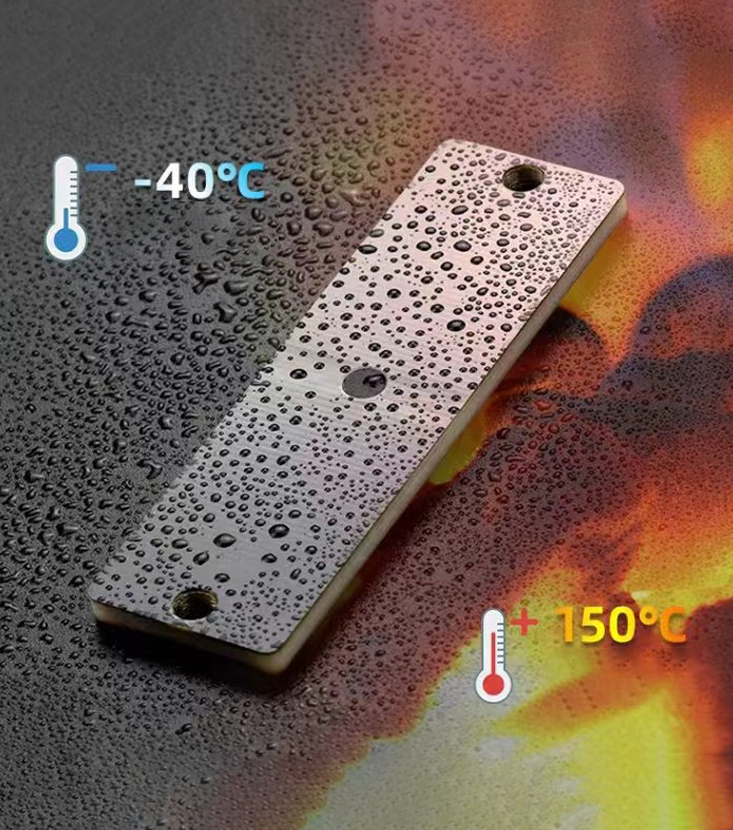
Polyester (PET), polypropylene (PP), and polyimide (PI) form the backbone of durable labels in extreme environments due to their molecular resilience. PET maintains tensile strength from –40°C to 150°C; PP resists deformation at 120°C with less than 2% shrinkage; and polyimide—Kapton-equivalent—endures intermittent spikes to 250°C without embrittlement, making it indispensable for aerospace engine components. All three materials preserve barcode legibility through 500+ thermal cycles, as validated by MIL-STD-202G Method 107 thermal shock testing.
Chemical & Solvent Resistance: ASTM D471 and ISO 15184 Performance Benchmarks
Chemical resistance is quantified through standardized immersion tests. ASTM D471 measures volume change after 168 hours of exposure to fuels and oils—PP and PI exhibit less than 10% swelling. ISO 15184 validates integrity against more than 30 industrial solvents, including ketones and chlorinated cleaners. Polyester retains adhesion after 200 hours of methanol exposure; polyimide withstands hydraulic fluids at 120°C. This performance prevents delamination in oil refineries where splash zones expose assets to benzene and toluene.
Environmental Resistance: UV, Abrasion, and Thermal Extremes
Industrial labels face relentless environmental assaults that compromise legibility and adhesion. Performance validation through standardized testing ensures durability where failure carries operational, safety, or compliance consequences.
UV Resistance and Color Fastness: QUV and Xenon Arc Weathering Data for Long-Term Outdoor Label Legibility
Solar exposure causes irreversible fading and polymer degradation. QUV accelerated weathering simulates years of UV damage in weeks; Xenon Arc testing provides spectral accuracy matching natural sunlight. Premium labels retain over 90% legibility after 5,000 hours—equivalent to five or more years outdoors—while maintaining ΔE < 3.0 color shift thresholds. This ensures critical information remains visible on pipelines, utility poles, and outdoor equipment.
Abrasion, Cryogenic, and High-Heat Endurance: Taber, Steel Wool, and Thermal Cycling Validation (–196°C to +250°C)
Mechanical and thermal stress separate industrial-grade labels from standard variants. Taber abrasion testing (CS-10/17 wheels) confirms ≤5% opacity loss after 1,000 cycles; liquid nitrogen immersion verifies zero delamination at –196°C; and MIL-STD-202G thermal cycling certifies functionality across 500 cycles between –40°C and 250°C. Steel wool scrubbing further validates resistance to particulate abrasion in mining and heavy manufacturing. These benchmarks ensure reliability across cryogenic fuel systems and high-heat foundry applications.
Certifications and Compliance Standards for Industrial Label Reliability
Industrial labels deployed in extreme conditions require third-party validation against internationally recognized standards. UL 969 certifies durability under mechanical, thermal, and chemical stressors; ISO 10993 confirms biocompatibility for medical device labeling; and MIL-STD-130 ensures traceability for defense assets. Rigorous testing—including ASTM D471 fluid resistance, QUV weathering, and GS1-compliant barcode verification—demonstrates legibility and adhesive retention over a decade of service. Organizations using certified labels reduce regulatory non-compliance risk by 83% compared to uncertified alternatives (2023 Supply Chain Audit Report), while avoiding costly recalls in pharmaceutical and aerospace sectors.
Real-World Label Performance Across Critical Industries
Oil & Gas, Aerospace, and Medical Sterilization: Adhesive Shear Strength Retention and Application-Specific Validation
In oil and gas, labels retain over 90% adhesive shear strength after 30 days immersed in hydrocarbons—critical for drilling equipment exposed to H₂S and salt spray. Aerospace labels meet NASA-STD-8739.4 requirements, enduring thermal cycling from –55°C to 177°C while resisting aviation fluids and vibration on flight-critical components. In medical sterilization, labels sustain 95% adhesion through 50+ autoclave cycles at 134°C, ensuring traceability on surgical instruments post-chemical sterilization. Each sector relies on application-specific protocols—including ASTM F1980 accelerated aging for medical devices—to verify real-world performance where label integrity directly impacts safety, compliance, and asset visibility.
FAQ Section
Why are polyester (PET), polypropylene (PP), and polyimide (PI) widely used for labels in extreme conditions?
These materials offer exceptional resilience to thermal, mechanical, and chemical stresses. PET, for instance, maintains tensile strength across a wide temperature range, while polyimide withstands even extreme heat spikes up to 250°C.
What testing standards validate chemical resistance in labels?
ASTM D471 and ISO 15184 are commonly used benchmarks. They measure the label's resistance to chemicals like oils, solvents, and fuels by assessing volume change, swelling, and adhesion retention.
How do industrial labels ensure legibility in outdoor environments?
Labels undergo QUV and Xenon Arc weathering tests to simulate extended UV exposure. Premium labels feature UV-resistant polymer formulations that retain color and legibility even after 5,000 hours of equivalent outdoor exposure.
What certifications are necessary for industrial label reliability?
Certifications like UL 969 for durability, ISO 10993 for biocompatibility in medical labeling, and MIL-STD-130 for defense asset traceability are essential to ensure performance and compliance.
How do labels perform under extreme abrasion or cryogenic conditions?
Labels are tested using Taber abrasion tests, steel wool scrubbing, and liquid nitrogen immersion. These ensure minimal opacity loss, zero delamination, and high adhesion retention across temperature extremes like –196°C to +250°C.
Table of Contents
- Core Materials That Define Label Durability
- Environmental Resistance: UV, Abrasion, and Thermal Extremes
- Certifications and Compliance Standards for Industrial Label Reliability
- Real-World Label Performance Across Critical Industries
-
FAQ Section
- Why are polyester (PET), polypropylene (PP), and polyimide (PI) widely used for labels in extreme conditions?
- What testing standards validate chemical resistance in labels?
- How do industrial labels ensure legibility in outdoor environments?
- What certifications are necessary for industrial label reliability?
- How do labels perform under extreme abrasion or cryogenic conditions?