
 EN
EN
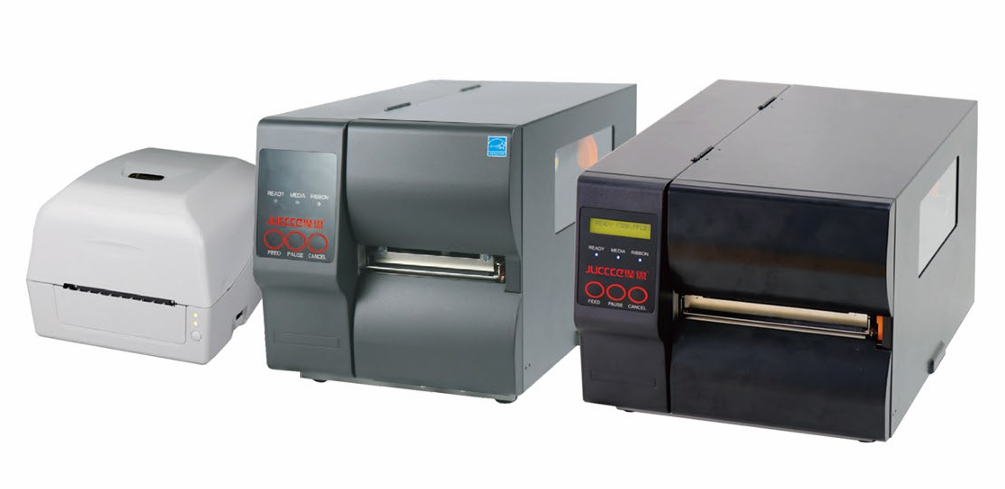
Durability & Environmental Resistance: Matching Label Lifespan to Your Conditions
Fade, Heat, UV, and Chemical Exposure: Why Thermal Transfer Excels for Long-Term Use
Labels printed on thermal transfer barcode printers hold up surprisingly well in tough conditions. These printers work by melting special ribbons onto labels, creating prints that don't fade under sunlight for about two years outside. They can handle pretty much anything thrown at them, surviving temperatures ranging from super cold minus 40 degrees Fahrenheit all the way up to scorching hot 300 degrees Fahrenheit. What makes these labels really stand out is their ability to stay readable even after coming into contact with oil spills, harsh chemicals used in factories, or strong cleaning products typically found in industrial settings. For anyone needing labels that last through rough handling, this technology seems like a solid choice.
| Factor | Thermal Transfer Performance | Direct Thermal Limitation |
|---|---|---|
| UV Light Exposure | 18–24+ months fade resistance | Fades in 3–6 months |
| Temperature Extremes | Stable from –40°F to 300°F | Degrades above 130°F (54°C) |
| Chemical Contact | Resists oils/solvents | Smudges easily |
These attributes make thermal transfer the standard for industrial equipment tags, outdoor asset tracking, and GHS-compliant chemical container labels. Independent testing confirms thermal transfer labels retain full scannability after 500+ abrasion cycles—a benchmark cited in ASTM D3330 adhesion standards.
When Direct Thermal Is Sufficient: Indoor, Short-Term Applications with Controlled Environments
Direct thermal printing works best indoors when labels don't need to last long, usually six months or less, and there aren't many harsh environmental factors involved. The process doesn't need any ribbon because heat triggers a special coating on specific types of paper. We often see this technology used for things like shipping tags, store receipts, and those temporary warehouse tickets for picking items off shelves. The system performs well as long as temperatures stay between about 32 degrees Fahrenheit to 100 degrees Fahrenheit (or 0 degrees Celsius to around 38 degrees Celsius). Keep them out of direct sun and below 60% relative humidity though. When dealing with short term logistics jobs like sorting packages at distribution centers or handling sales at checkout counters, direct thermal offers a simple affordable solution that still keeps text clear and easy to read.
Total Cost of Ownership: Media, Ribbons, and Barcode Printer Maintenance
Upfront Simplicity vs. Ongoing Ribbon Costs: Evaluating True Operational Expense
Direct thermal printers do cut out the need for ribbons and save money upfront on hardware, but when companies run through thousands of labels each month, those savings disappear fast because the special paper costs so much more and the printheads wear out quicker. Thermal transfer printing works differently. These systems rely on regular label material paired with specialized ribbons that actually last longer on the printer. What makes this approach better for businesses? Each printed label ends up costing less over time. The difference goes beyond simple math though. Printers using thermal transfer technology tend to keep working reliably for years without breakdowns, produce consistently clear prints even after many runs, and generally handle day-to-day wear and tear much better than their direct thermal counterparts.
| Cost Factor | Direct Thermal | Thermal Transfer |
|---|---|---|
| Initial Hardware Cost | Lower | Higher |
| Media Cost (per label) | Higher | Lower |
| Ribbon Cost | $0 | $20–$50 per roll |
| Printhead Replacement | More frequent | Less frequent |
Printhead Longevity: How Thermal Transfer Reduces Wear and Extends Barcode Printer Life
The printheads used in direct thermal printing tend to wear out quicker because they rub against those coated labels all day long, especially when running nonstop. Most facilities find themselves replacing these printheads somewhere between six and twelve months depending on how hard they're being pushed. Thermal transfer ribbons actually serve as sort of shock absorbers between the printhead and whatever labels are being printed on. This reduces the physical strain on the printhead itself and can make it last two to three times longer than usual. When looking at actual numbers from factories and warehouses that track assets regularly, companies report saving around forty percent on maintenance expenses over time when switching from direct thermal systems to ones that use thermal transfer technology instead.
Application Requirements: Aligning Barcode Printer Technology with Real-World Use Cases
Shipping Labels, Receipts, and Pick Tickets: Ideal Direct Thermal Scenarios
Direct thermal barcode printers work best for temporary, low stress situations inside buildings. These models don't need ribbons which makes them easier to set up and operate day to day. Great for things like shipping paperwork, store receipts, and warehouse picking lists that get scanned within just a few days or maybe weeks at most. The initial cost is cheaper than other options and there's hardly any maintenance required. That makes them practical choices for places like distribution warehouses and retail checkout areas where the labels stay protected indoors and won't last long enough to suffer from exposure damage.
Asset Tracking, Outdoor Labels, and GHS-Compliant Chemical Labels: Thermal Transfer Mandates
When it comes to applications that need long term performance, thermal transfer just can't be beat. Think about those permanent asset tags stuck on factory floors, equipment labels battered by the elements, GHS warning signs that must stay readable no matter what, and all those tiny but critical identifiers on medical devices. The resin based ribbons create images through chemical bonding that stand up against UV exposure, scratches, water damage, and temperature extremes. These labels actually last for years without fading or peeling off. Recent supply chain research indicates companies switching to thermal transfer technology cut down on relabeling work and fix mistakes caused by poor labeling by around 60% in some manufacturing environments. That makes sense when looking at pharmaceutical warehouses or chemical processing facilities where regulatory compliance is not optional but mandatory. Thermal transfer simply remains the go to solution for durability and meeting standards in these tough industrial settings.
FAQ
What are the main conditions where thermal transfer labels excel?
Thermal transfer labels are ideal for conditions with exposure to UV light, extreme temperatures from -40°F to 300°F, and environments with oil or chemical contact. They are highly durable and designed for long-term use particularly in industrial settings.
When should direct thermal printing be used instead of thermal transfer?
Direct thermal printing is best for indoor, short-term applications where labels are needed for less than six months. It works well in controlled environments and is typically used for shipping tags, store receipts, and temporary warehouse tickets.
How does the cost of thermal transfer compare to direct thermal over time?
Although direct thermal printers have a lower initial hardware cost, the ongoing expense of special paper and more frequent printhead replacements makes them more expensive over time. Thermal transfer printers, despite higher upfront costs, save money in the long term due to durable ribbons and less frequent maintenance.
Does thermal transfer technology improve printer longevity?
Yes, thermal transfer technology tends to extend the life of barcode printers. The ribbons act as a buffer, reducing wear on printheads and significantly reducing maintenance expenses, making them last two to three times longer compared to direct thermal systems.
What industries benefit most from using thermal transfer printing?
Industries that require durable labeling solutions such as manufacturing, logistics, oil and chemical plants, and pharmaceutical companies benefit greatly from thermal transfer printing. It's especially useful where regulatory compliance and label longevity are crucial.
Table of Contents
- Durability & Environmental Resistance: Matching Label Lifespan to Your Conditions
- Total Cost of Ownership: Media, Ribbons, and Barcode Printer Maintenance
- Application Requirements: Aligning Barcode Printer Technology with Real-World Use Cases
-
FAQ
- What are the main conditions where thermal transfer labels excel?
- When should direct thermal printing be used instead of thermal transfer?
- How does the cost of thermal transfer compare to direct thermal over time?
- Does thermal transfer technology improve printer longevity?
- What industries benefit most from using thermal transfer printing?