
 EN
EN
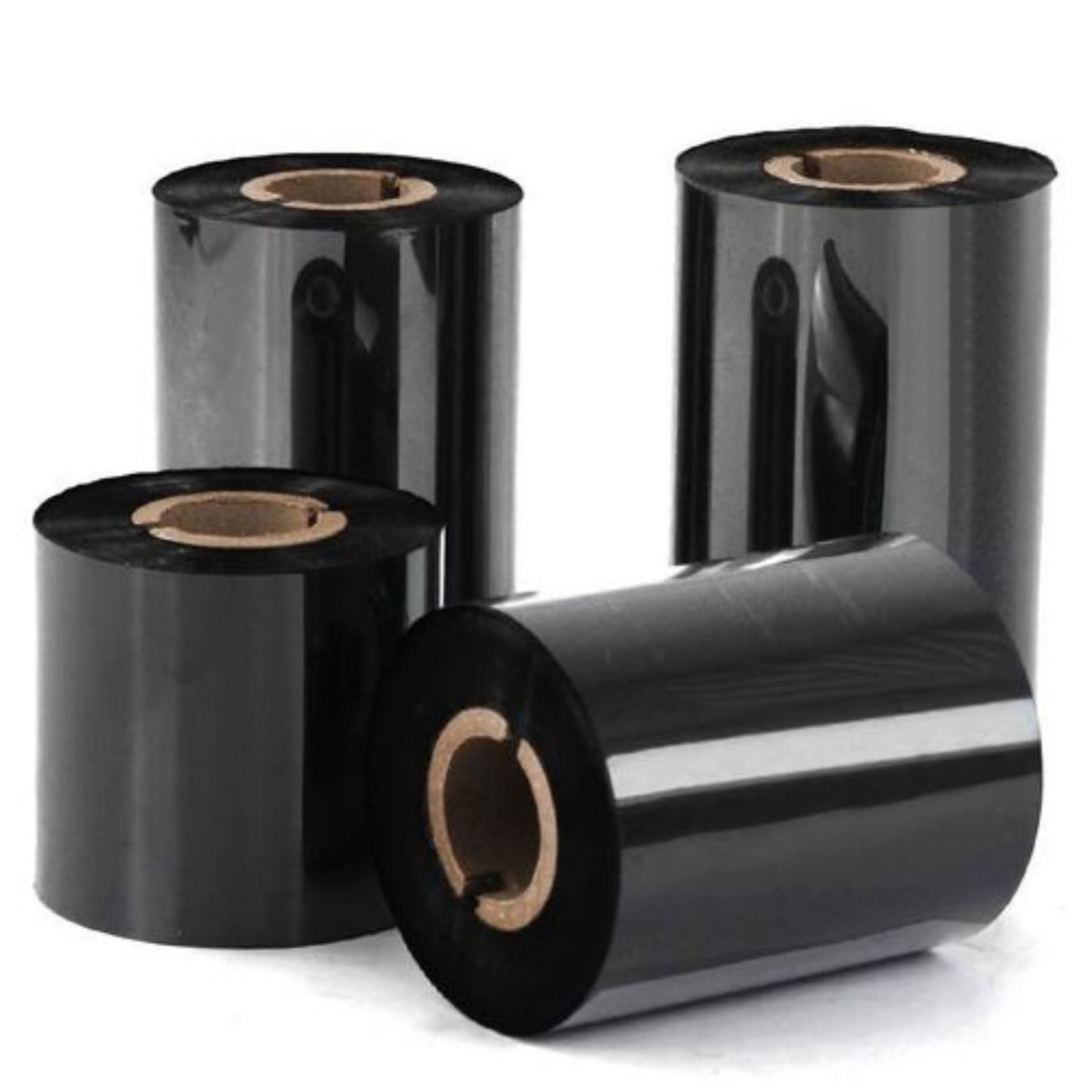
Ugnayan ng Ribbon at Tibay ng Print: Paano Pinapahaba ng Pagdikit at Pagkakabukod ng Tinta ang Buhay ng Print
Mga uri ng pagkabigo sa pagdikit: Pagkakasira, pagkakalag, at paghiwalay ng layer kapag nasa ilalim ng stress
Kapag kulang ang pandikit ng tinta ng thermal transfer ribbon sa substrate, nababawasan ang kalidad ng mga print kapag inilalapat ang pisikal na stress—na nagpapahina sa mahahalagang datos tulad ng mga barcode at mga label ng kaligtasan. Ang pagkakalat (smudging) ay nangyayari kapag ang panlabas na pwersa (friction) ay pumuputol sa ugnayan ng tinta at substrate, na nagdudulot ng mga guhit na nagtatago sa teksto. Ang pagkakaputol (flaking) ay lumilitaw bilang mga hiwa-hiwang partikulo ng tinta na nawawala habang hinahawakan, samantalang ang delamination ay nangyayari kapag ang buong layer ng print ay nahahati kapag inilalantad sa pagyuko o impact. Ang mga kaganapang ito ay karaniwan sa mga industriyal na kapaligiran kung saan ang mga label ay nakakaranas ng abrasion mula sa mga conveyor, kagamitan, o kemikal na ginagamit sa paglilinis. Halimbawa, ang mga label sa mga drum ng kemikal ay may 70% na mas mataas na rate ng kabiguan dahil sa mga isyu sa pandikit kumpara sa mga label na inilalagay sa mga tuyong ibabaw (Durability Report 2023).
Lakas ng cohesion at integridad ng ribbon matrix: Bakit mas mahalaga ang kalidad ng binder kaysa sa dami ng tinta
Ang cohesion—ang panloob na pagbubuklod ng mga particle ng tinta sa loob ng ribbon—ang nagtatakda ng resistensya ng isang print sa molekular na pagkawasak. Ang mga de-kalidad na binder ay lumilikha ng isang pinag-isang matrix na nagpapanatili ng integridad ng istruktura, na lumalaban sa mga stressor sa kapaligiran tulad ng pagkakalantad sa UV at pagbabago ng temperatura. Sa kabaligtaran, ang mga ribbon na may mataas na ink load ngunit mahinang binder ay nababali sa ilalim ng stress, dahil ang labis na pigment na walang matibay na binding agent ay lumilikha ng malutong na mga print. Ipinapakita ng mga pagsubok na ang pinakamainam na pormulasyon ng binder ay nagpapabuti sa resistensya sa abrasion ng 65% kumpara sa mga alternatibong high-ink/low-binder (Material Science Journal 2022). Ipinapaliwanag nito kung bakit inuuna ng mga premium na ribbon ang polymer chemistry kaysa sa volume ng tinta, na tinitiyak ang mahabang buhay ng label sa mga mahihirap na aplikasyon.
| Mga ari-arian | Epekto ng Mahinang Kohesyon | Benepisyo ng Matibay na Kohesyon |
|---|---|---|
| Resistensya sa pagbaril | Mabilis na pagkakalaglag | paglala ng buhay ng label ng 3 beses |
| Paggamit ng Quimika | Paglulusaw ng tinta | 90% na paglaban sa solvent |
| Pagsisiklo ng Termal | Pumupukaw sa mga seam | Matatag sa pagitan ng -40°C hanggang 150°C |
Mga Uri ng Thermal Transfer Ribbon: Pagtutugma ng Wax, Wax-Resin, at Resin Ribbons sa mga Kinakailangan sa Durability
Mga Panukat ng Pagganap: Paglaban sa Pagkakagat (ASTM D5264), Pagkakalantad sa Kemikal, at Katatagan sa Init ayon sa Klase ng Ribbon
Ang pag-label sa industriya ay nangangailangan ng tiyak na pagpili ng ribbon upang matiyak ang katagalang pansulat. Ang mga wax ribbon, bagaman mura para sa mga pangunahing label sa loob ng gusali (halimbawa: mga label sa shelf ng bodega), ay nabigo sa mga pagsusulit sa pagkakagat tulad ng ASTM D5264 kahit sa pinakamababang pagkakagat. Ang mga wax-resin hybrid ay nag-aalok ng katamtamang pagpapabuti, na tumutol sa pansamantalang kahalumigmigan ngunit nawawasak sa ilalim ng matagalang pagkakalantad sa UV o kontak sa solvent. Ang mga resin ribbon ang nangunguna sa mga sukatan ng katatagan: kaya nilang tiisin ang mahigit sa 500 na scrub cycle sa pagsusulit na ASTM D5264, tumitiis sa temperatura na lampas sa 150°C, at tumutol sa langis, solvent, at asido. Ang mga agwat sa pagganap ay nagmumula sa komposisyon ng ink matrix—ang polymer binders ng resin ay bumubuo ng covalent bonds kasama ang mga synthetic label, hindi tulad ng mas mahinang physical adhesion ng wax.
| Uri ng ribbon | Paglaban sa Pagkakagat (ASTM D5264) | Reyisensya sa kemikal | Pinakamataas na Toleransya sa Init |
|---|---|---|---|
| Wax | Mababa (≤50 na scrub) | Mahina | 70°C |
| Wax-Resin | Katamtaman (100–200 na scrub) | Moderado | 100°C |
| Resin | Matataas (500+ na scrub) | Mahusay | 150°C+ |
Kapag Ang Resin Ribbons Ay Hindi Na Maaaring Ipagkait: Mga Kaso ng Paggamit na May Mataas na Tinitiis (Mga Tag ng Panlabas na Aserbo, Mga Tambong ng Kemikal)
Ang resin ribbons ay naging mahalaga kapag ang mga label ay nakakaranas ng matinding panganib. Para sa pagsubaybay sa mga panlabas na aserbo—tulad ng mga tag ng kagamitan sa konstruksyon o mga serial number ng solar panel—ang UV inhibitors sa resin ay nagpipigil sa pagpaputî para sa loob ng 5+ taon, na iba sa mga alternatibong wax-resin na nababaho sa loob lamang ng ilang buwan. Gayundin, ang mga tambong ng kemikal na naglalaman ng mga solvent ay nangangailangan ng inert na ink layers ng resin sa lebel ng molekula, na tumututol sa pagsusuri ng hydrocarbon at nagpipigil sa delamination. Ang pagsusuri sa industriya ay sumasang-ayon na ang mga label na may resin sa polyester ay tumatagal ng higit sa 10,000 oras ng salt spray at mga industrial cleaner, kaya ito ay hindi na maaaring iwasan sa aerospace, pharmaceutical, at logistics ng mapanganib na materyales.
Mga Tunay na Dahilan ng Pagkawala ng Tinitiis: Mga Panganib sa Kapaligiran at Di-Kasagkap na Pagkakatugma ng Substrate at Ribbon
Init, UV, at kahalumigmigan: Paano binabawasan ng pagkakalantad sa kapaligiran ang mga print layer na galing sa ribbon sa paglipas ng panahon
Ang mga environmental stressor ay mabilis na sumisira sa tibay ng print sa pamamagitan ng magkakaibang ngunit sinergistikong mekanismo:
- Init : Ang thermal cycling ay nagdudulot ng pagpapalawak at pagkontrakt ng mga layer ng tinta, na humahantong sa micro-cracking—lalo na sa mga ribbon na may base sa wax.
- UV Radiation : Ang liwanag ng araw ay pumuputla sa mga pigment; ang mga pag-aaral ay nagpapakita na ang UV ay nagpapababa ng legibility ng print hanggang 40% bawat taon sa mga outdoor setting.
- Kahalumigmigan : Ang kahalumigan ay pumapasok sa mga porous na ibabaw ng print, na sumisira sa pagkakadikit ng tinta at nagdudulot ng hindi mababalik na smudging.
Mahalaga, ang mga stressor na ito ay nagpapalakas ng isa't isa—ang init ay pabilis ng pag-absorb ng kahalumigan, samantalang ang exposure sa UV ay pinalalabo ang mga polymer chain, na binabawasan ang resistance nito sa abrasion at chemical attack.
Mga kapit-bahay na problema sa substrate compatibility: Bakit kailangan ng polyester labels ang resin ribbons—at bakit nabigo ang mga 'universal' na ribbon
Ang mga label na gawa sa polyester ay nangangailangan ng mga ribbon na may resin dahil sa kanilang hindi poroso at kemikal na inert na ibabaw. Ang mga ribbon na tinatawag na "pangkalahatan" ay nabigo dahil kulang sila sa mga espesyalisadong binder para sa kovalenteng pag-uugnay sa mga sintetikong substrate, hindi kayang sumunod sa matigas na topograpiya ng ibabaw ng polyester, at nakakaranas ng 60% na pagbaba sa kahusayan ng thermal transfer kapag hindi angkop ang pagkakapareho. Ang resulta ay maagang pagkabigo ng label—na madalas na kinakalawang bilang maling pagka-kalibrate ng printer o mababang kalidad ng media. Palaging i-match ang kimika ng ribbon sa mga teknikal na tukoy ng substrate, hindi lamang sa mga pangkalahatang pahayag ng pagkakasundo.
Pagpili ng Tamang Ribbon: Isang Praktikal na Balangkas sa Pagdedesisyon para sa mga B2B na Bumibili
Ang pagpili ng pinakamainam na thermal transfer ribbon ay nangangailangan ng isang sistematikong pamamaraan na naaayon sa mga pangangailangan ng operasyon at sa mga priyoridad ng mga stakeholder. Simulan sa pamamagitan ng pagsusuri sa mga environmental stressor—ang pagkakalantad sa kemikal, UV radiation, ekstremong temperatura, at mga panganib sa abrasion—gamit ang mga standardisadong benchmark tulad ng ASTM D5264. Ang resin ribbons ay naging hindi mapag-uusapan para sa mga outdoor asset tags o sa pag-label ng mga chemical drum, na nag-aalok ng 5–10× na mas mahabang buhay kaysa sa mga wax alternative sa matitinding kondisyon (Ponemon 2023).
Mga pangunahing kriteria sa pag-evaluate:
- Substrate Compatibility : Ang mga polyester label ay nangangailangan ng resin ribbons—ang mga universal na opsyon ay madalas na nabigo sa mga adhesion test pagkatapos ng pagkakalantad sa kahalumigan.
- Mga Panukat ng Tibay : Iprioritize ang mga ribbon na na-verify para sa ≥200 scrub cycles (abrasion resistance) at 72-oras na chemical immersion stability.
- Total Ownership Cost : Isama sa pagsasaalang-alang ang dalas ng pagrelabel; ang resin ribbons ay nababawasan ang mga gastos sa pagpapalit ng 30–40% kahit na mas mataas ang kanilang paunang presyo.
Ang mga stakeholder na may kros-functional na responsibilidad—kabilang ang mga koponan sa pagbili, operasyon, at pagsunod sa regulasyon—ay dapat bigyang-pansin ang mga teknikal na parameter na ito laban sa mga KPI ng negosyo tulad ng ROI, kahusayan ng supply chain, at mga layuning pangkapaligiran. Ang dokumentasyon ng mga kinakailangan ay nagpapipigil sa hindi pagkakatugma ng substrate at ribbon na nagdudulot ng maagang pagbaba ng kalidad ng print.
Madalas Itanong
Bakit mahalaga ang pagkakadikit ng tinta para sa tibay ng label?
Mahalaga ang pagkakadikit ng tinta dahil ang hindi sapat na pagkakadikit ay maaaring magdulot ng pagkakasira (smudging), pagkakalag (flaking), at paghihiwalay (delamination), na sumisira sa kalidad ng label at nangungumbinsi sa mahahalagang impormasyon.
Ano ang nagpapahiwalay sa resin ribbons mula sa wax at wax-resin ribbons?
Ang resin ribbons ay nag-aalok ng mas mataas na tibay, na tumutol hanggang sa 500 na pag-scrub sa mga pagsusuri sa abrasion, mataas na temperatura, at mga langis o solvent, kaya sila ay angkop para sa mga mahihirap na kapaligiran, na hindi gaya ng wax o wax-resin ribbons.
Paano nakaaapekto ang mga environmental stressors sa pagkakaisa ng tinta?
Ang init, UV radiation, at kahalumigan ay maaaring pahirapan ang pagkakadikit ng tinta na nagreresulta sa mikro-cracking, pagpapalabas ng kulay ng pigment, at pagkakalat nito sa paglipas ng panahon, lalo na para sa mga uri ng ribbon na hindi resilient.
Bakit mahalaga ang compatibility ng substrate at ang pagkakapareho ng ribbon?
Ang pagkakapareho ng ribbon sa substrate ay nagpapagarantiya ng optimal na kalidad ng print at haba ng buhay nito sa pamamagitan ng pag-aakomoda sa natatanging katangian ng ibabaw at komposisyong kimikal ng substrate.
Talaan ng Nilalaman
- Ugnayan ng Ribbon at Tibay ng Print: Paano Pinapahaba ng Pagdikit at Pagkakabukod ng Tinta ang Buhay ng Print
- Mga Uri ng Thermal Transfer Ribbon: Pagtutugma ng Wax, Wax-Resin, at Resin Ribbons sa mga Kinakailangan sa Durability
- Mga Tunay na Dahilan ng Pagkawala ng Tinitiis: Mga Panganib sa Kapaligiran at Di-Kasagkap na Pagkakatugma ng Substrate at Ribbon
- Pagpili ng Tamang Ribbon: Isang Praktikal na Balangkas sa Pagdedesisyon para sa mga B2B na Bumibili
- Madalas Itanong