
 EN
EN
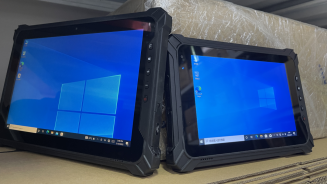
בניה עמידה לסביבות תעשייתיות קשות
התנגדות לפגיעות, רעידה ונפילות (נבדק לפי תקן MIL-STD-810G)
מחשבים תעשייתיים פועלים תחת מתח פיזי קיצוני — מהתנגשויות של מדחפים על רצפות מפעלים ועד לרעידות מתמשכות בסמוך למכונות כבדות. אישור התקן MIL-STD-810G מאשר את יכולתם לשאת הצלקות בתנאי פעולה של 30G ורעידות אקראיות של 3G ללא ירידה בביצועים, תוך סימולציה של תנאים מציאותיים כגון נפילות במהלך הובלה ורעידות הנגרמות על ידי ציוד. יחידות מאושרות לפי התקן הזה שורדות נפילות חוזרות של 4 רגל (כ-1.2 מטר) על בטון — עובדה קריטית ליישומים ניידים שבהם יש לשמור על שלמות הנתונים ברכבים ניידים או בפלטפורמות רובוטיות. סדרת מבחני היסוד כוללת 18 הליכי סביבה, המכסים הכול — מהאקלים של אטמוספרות דליקות ועד לרעידות הנגרמות מיריות, ומבטיחה עמידות הרחוקה מעבר לעמידות הרגילה של מכשירים לצריכה כללית.
דרגות הגנה מפני חדירה: IP65 עד IP69K לאבק, מים ושטיפת לחץ גבוה
חיתום הוא חובה בסביבות מזוהמות. תיבות עם דרגת חיתום IP65 מונעות לחלוטין חדירת אבק ועומדות בזרמי מים בלחץ נמוך — אידיאלי לתחומים כלליים של ייצור. בתעשיית המזון, התרופות והכימיקלים, דרגת החיתום IP69K היא הסטנדרט האלטימטיבי: היחידות עולמות סילוק מים בטמפרטורה של 80° צלזיוס (176° פרנהייט) בלחץ של 1,450 PSI ממרחק של 10 ס"מ (4 אינץ') במשך 30 שניות, ללא חדירת מים כלל. רמת הגנת זו מונעת קצרים всריגות מתכת מוליכות במפעלי CNC, ועומדת בפני השחתה הנגרמת על ידי ניקוי כימי אגסיבי ובסביבות טיפוסיות של תחנות טיפול במים זוהמים, שבהן הרطיבות הסבירה עולה לעיתים קרובות על 90%.
טווח טמפרטורות רחב להפעלה: ביצועים יציבים בטווח של 40-°C עד 85+°C
חוסן תרמי מגדיר מוכנות תעשייתית אמיתית. מחשבים תעשייתיים משתמשים ברכיבים עמידים בטמפרטורות רחבות - כולל כונני מצב מוצק (SSD) המדורגים לטמפרטורות של -40°C - כדי למנוע תקלות קיפאון במחסני אחסון בקירור. בקצה העליון, פתרונות תרמיים פסיביים כמו צינורות חום מנחושת וחומרי ממשק תרמי מתקדמים מפזרים חום ביעילות בבתי יציקה שבהם טמפרטורות הסביבה מגיעות ל-70°C. בניגוד למחשבים צרכניים שמתחממים יתר על המידה תוך דקות בפריסות מדבריות, מערכות אלו שומרות על פעולה יציבה ללא מאווררים. כל היחידות עוברות יותר מ-500 מחזורי תרמיה בין -40°C ל-+85°C כדי לאמת את סבילות ההתפשטות של החומר ואת שלמות המבנית לטווח ארוך.
ניהול תרמי ועיצוב ללא מאווררים לאמינות של מחשבים תעשייתיים 24/7
אדריכלות קירור פאסיבי מאפסת חלקים נעים ונקודות כשל
מחשבים תעשייתיים ללא מאווררים מסתמכים על מפici חום מהונדסים במדויק, חומרים מוליכי חום ופיזור חום המובנה בתוך השריון — ולא על זרימת אוויר מאולצת — כדי לנהל עומסי חום. הסרת המאווררים מאלצת את נקודת הכשל המכנית העיקרית ומצריכה באופן דרמטי את הצטברות האבק בתוך המערכות — עובדה קריטית להפעלה מתמדת בסביבות עירומות או בעלות ריכוז גבוה של חלקיקים. נתונים מהשטח מראים שמערכות ללא מאווררים משיגות זמינות של 99.95% לאורך עשור ומחסיות את עצירת התפעול הלא מתוכננת ב-72% בהשוואה למערכות עם מאווררים בסביבות ייצור, לפי דו"ח הנאמנות לאוטומציה לשנת 2025.
תמרות לחות, קondenציה ותהליך קורוזיה במתקנים ללא בקרה
מיכלים אטומים ללא מאוורר, המשולבים עם طبقות כיסוי מתאימות, מגנים על המעגלים הפנימיים מפני לחות, קondenציה וסוכנים קורוזיביים — דבר חיוני במיוחד במפעלי עיבוד מזון ובמתקני מים שפכים. על ידי שמירה על טמפרטורות פנימיות יציבות למרות תנודות מהירות בטמפרטורת הסביבה, מערכות אלו מונעות הצטברות קondenציה שעלולה לגרום לקצר או לקורוזיה נסתרת. אימות מחמיר לפי התקן IEC 60068-2-30 מאשר את ביצועיהן ברמות לחות של עד 95% ללא קondenציה, בעוד שהיעדר פתחי ונטילציה חוסם את חדירת המזהמים והחלקיקים באוויר הידועים להאיץ את ההתעכלות של הרכיבים.
רכיבים ברמה תעשייתית ובטחת אספקה לטווח ארוך
מחשבים תעשייתיים נבנו עם רכיבים שתוכננו במיוחד למטרה—לוחות מעגלים, קondenסטורים ומחברים—שעוברים בדיקות חיים מאיצות למחזור חום, גלמי מתח ותנודות מכניות. זה מביא לשיעורי כשל נמוכים עד פי 10 בהשוואה למחשבים מסחריים שקולים, על פי מדדי האמינות התעשייתיים. חשוב באותה מידה הבטחת אספקה לטווח ארוך: מאחר שהתקנות תעשייתיות נמשכות לעתים קרובות 7–10 שנים, יצרנים מפחיתים את הסיכון להתיישנות באמצעות מקורות אספקה מרובים, תוכניות רכישה למשך כל חיי המוצר, והתחייבות לאחסון מלאי רכיבים ליותר מחמש שנים לאחר סיום הייצור. הם גם מספקים מסלולי העברה תואמים לאחור בעת מעבר לטכנולוגיות חדשות—כדי להבטיח רציפות ללא עצירות ייצור יקרות, שמתווכות ב-260,000 דולר לשעה בכל פעולות היצרנות (קבוצת Aberdeen, 2023).
התאמה לדרישות EMC/EMI ואישורים רגולטוריים גלובליים לשימוש קריטי למיסיה
בדיקות עמידות לפי סדרת IEC 61000-4 ואישורים CE/FCC/UL/cUL
במבנים קריטיים למיסיה – תחנות כוח, חדרי הדמיה רפואית או קווי montage אוטומטיים – הפרעות אלקטרומגנטיות (EMI) מהוות איום שקט אך חמור. מחשבים תעשייתיים חייבים לעבור בדיקות עמידות לפי סדרת התקנים IEC 61000-4, כולל פריקה אלקטרוסטטית (עד 8 קילו-וולט במגע), פולסי חשמל מהירים ופרעות בתדר הרדיו. אי התאמה עלולה לגרום לחסימות של המערכת או לפגיעות באינטגריות הנתונים, מה שתרם לעצירות תעשייתיות שעלותן הממוצעת היא 740,000 דולר לאירוע (מכון פונמון, 2023). אישורים גלובליים – כולל CE (הנחייה האירופית 2014/30/EU), FCC חלק 15, UL 61010-1 ו-cUL – מבטיחים כניסה חוקית לשוק ואישור תאימות אלקטרומגנטית (EMC). לסביבות עם רעש גבוה במיוחד, יש אפשרות להשיג את אישור ה-MIL-STD-461, אשר מאשש את העמידות של המערכת בפני פליטה מוקרנת ומוליכה – וכך הופך מערכות אלו לנכסים מהימנים במקום שבו כשל אינו אפשרי.
שאלה נפוצה
מהו אישור ה-MIL-STD-810G?
MIL-STD-810G הוא תקן של מחלקת ההגנה של ארצות הברית המאמת את היכולת של מוצר לשרוד מגוון מתחים סביבתיים, כולל הלם, רטט ותנאי טמפרטורה קיצוניים.
למה הגנת חדירה חשובה במחשבים תעשייתיים?
דרוגי הגנת החדירה (IP), כגון IP65 או IP69K, מסמנים את רמת ההגנה מפני אבק ומימית. דרוגים אלו מבטיחים שמחשבים תעשייתיים יוכלו לפעול בסביבות קשות ללא כשל הנובע מזהמי סביבה.
איך מערכות ללא מאוורר מועילות למחשבים תעשייתיים?
עיצובים ללא מאוורר מאלצים נקודות כשל מכניות ומקטינים את הצטברות האבק, מה שהופך מחשבים תעשייתיים לאמינים יותר ומותאמים במיוחד לסביבות עם ריכוז גבוה של חומר חלקתי.
אילו תפקידים ממלאים דרגות הטמפרטורה באימונים של מהימנות המחשבים התעשייתיים?
טווחי טמפרטורה רחבים מבטיחים שמחשבים תעשייתיים יוכלו לפעול בטמפרטורות קיצוניות — הן קרות והן חמות — מ-40-°C ועד 85+°C, ללא ירידה בביצועים או כשל.
למה התאמה לדרישות EMC/EMI היא קריטית למחשבים תעשייתיים?
התאמה לדרישות EMC/EMI מבטיחה שמחשבי תעשייה לא יופרעו על ידי הפרעות אלקטרומגנטיות, שיכולות לגרום לקפיצות במערכת או לאובדן נתונים ביישומים קריטיים למטרה.