
 EN
EN
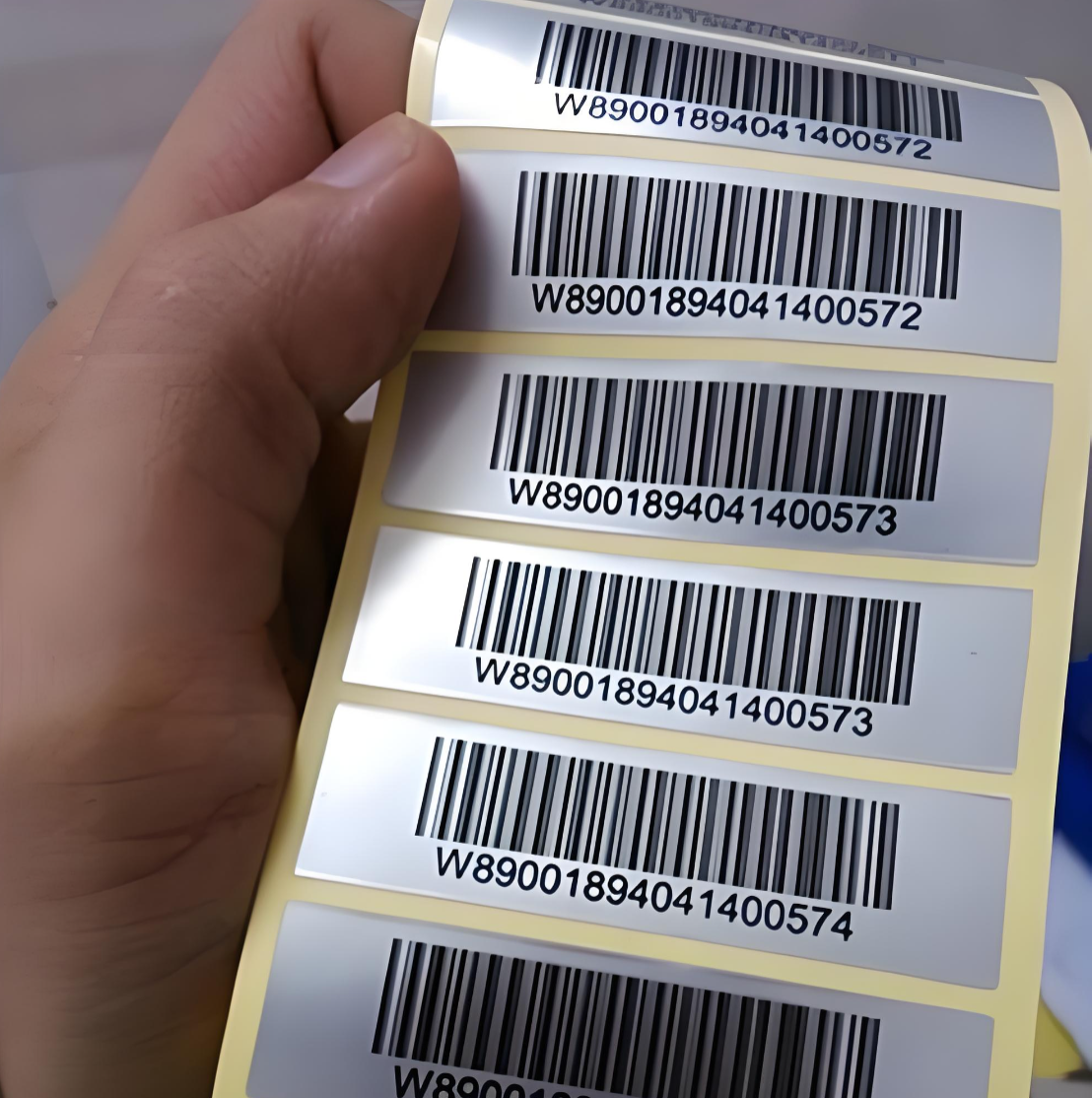
গুদামে দীর্ঘমেয়াদী স্ক্যানিং বিশ্বস্ততা নিশ্চিত করার জন্য মূল উপাদান বৈশিষ্ট্যগুলি
পলিকার্বনেট, ম্যাগনেসিয়াম অ্যালয় এবং শক্তিশালীকৃত ABS: শক্তি, ওজন এবং তাপীয় স্থিতিশীলতার মধ্যে বাণিজ্যিক বিনিময়
সঠিক আবাসন উপাদান নির্বাচন করা একটি বারকোড স্ক্যানারের গুদামে টিকে থাকার উপর সরাসরি প্রভাব ফেলে। পলিকার্বোনেট চমৎকার আঘাত প্রতিরোধ ক্ষমতা এবং হালকা ওজন প্রদান করে—যা প্রায়শই পড়ে যাওয়ার শিকার হওয়া হ্যান্ডহেল্ড ইউনিটগুলির জন্য আদর্শ। ম্যাগনেসিয়াম অ্যালয় উচ্চ কঠোরতা এবং তাপ পরিবাহিতা প্রদান করে, ফলে এটি মেশিনের কাছে বা লেবেল প্রিন্টার স্টেশনের নিকটে স্থাপিত স্ক্যানারগুলির জন্য বিশেষভাবে উপযুক্ত, যেখানে পরিবেশগত তাপমাত্রা পরিবর্তিত হয়। সংযুক্ত ABS উপাদানটি খরচ এবং মাঝারি যান্ত্রিক শক্তির মধ্যে ভারসাম্য বজায় রাখে, কিন্তু শীতল সঞ্চয় পরিবেশে এটি ভঙ্গুর হয়ে উঠতে পারে। ২৪/৭ অপারেশনের ক্ষেত্রে বাণিজ্যিক সমঝোতা স্পষ্ট: হালকা উপাদানগুলি কর্মীদের শারীরিক আরাম বৃদ্ধি করে, অন্যদিকে কঠিন অ্যালয়গুলি নমনজনিত ক্যালিব্রেশন বিচ্যুতি কমায়। লেবেল প্রিন্টারের সাথে একীভূত স্ক্যানারগুলিকে আঠালো অবশিষ্টাংশ এবং পরিষ্কারক দ্রাবকের রাসায়নিক প্রভাব থেকে প্রতিরোধ করতে হবে—এই দৃঢ়তা সুবিধাটি পলিকার্বোনেট এবং ম্যাগনেসিয়াম অ্যালয়গুলি স্ট্যান্ডার্ড ABS-এর তুলনায় ধরে রাখে।
তাপীয় প্রসারণ এবং কম্পন অ্যামোর্টাইজেশন কীভাবে ২৪/৭ গুদাম চক্রের মধ্যে ক্যালিব্রেশন বিচ্যুতিকে প্রভাবিত করে
অপ্রতিষ্ঠিত গুদামগুলিতে তাপমাত্রার ওঠানামা করে বিভিন্ন উপাদানকে বিভিন্ন হারে প্রসারিত ও সংকুচিত হতে বাধ্য করে, যার ফলে অভ্যন্তরীণ অপটিক্সগুলি সম্ভবত বিচ্যুত হয় এবং সময়ের সাথে সাথে পাঠ্য নির্ভুলতা হ্রাস পায়। ম্যাগনেসিয়াম মিশ্র ধাতুর নিম্ন তাপীয় প্রসারণ গুণাঙ্ক এই প্রভাবটিকে ন্যূনতম করে—বিশেষত ডক দরজা বা লেবেল প্রিন্টার এনক্লোজারের কাছাকাছি কাজ করে এমন স্ক্যানারগুলির জন্য এটি বিশেষভাবে মূল্যবান। ফর্কলিফট, কনভেয়ার এবং প্যালেট জ্যাক থেকে আসা কম্পন উপাদানগুলিকে আরও চাপের মধ্যে রাখে: শক্তিশালীকৃত ABS শক শোষণে শক্তিশালী, কিন্তু এর উচ্চতর প্রসারণ হার মিশ্র-তাপমাত্রার অঞ্চলগুলিতে সেই সুবিধাকে ক্ষুণ্ণ করে। পলিকার্বোনেট একটি ব্যবহারিক ভারসাম্য অর্জন করে—মাঝারি শক শোষণ এবং প্রসারণ নিয়ন্ত্রণ। অভ্যন্তরীণ স্থায়িত্ব পরীক্ষার ফলাফল দেখায় যে, ম্যাগনেসিয়াম মিশ্র ধাতুর আবরণযুক্ত স্ক্যানারগুলি ১০,০০০ ঘণ্টা সম্পূর্ণ চক্রের মধ্যে শক্তিশালীকৃত ABS ইউনিটগুলির তুলনায় ৩০% বেশি সময় ধরে ক্যালিব্রেশন বজায় রাখে। কম তাপীয় গতি এবং যথেষ্ট কম্পন শোষণের সমন্বয় করে এমন উপাদান নির্বাচন করা উচ্চ-আউটপুট পরিবেশে ডাউনটাইম এবং ওয়ারেন্টি ফেরতের সরাসরি হ্রাস করে।
আইপি এবং মিল-স্ট্যান্ডার্ড রেটিং: বাস্তব গুদাম ঝুঁকির সাথে টেকসইতা মানদণ্ডের মিল
IP54 থেকে IP67 পর্যন্ত: ধূলিকণা জমা, ঘনীভবন এবং মাঝে মাঝে ধোয়া — শুধুমাত্র স্পেসিফিকেশন শীটের বেঞ্চমার্ক নয়
২৪/৭ ঘণ্টা পরিচালিত গুদামে, লেবেল প্রিন্টারের সাথে যুক্ত স্ক্যানারগুলি ধুলো, ঘনীভূত জলীয় বাষ্প এবং নিয়মিত ধোয়া-ধুয়ে ফেলার মতো চ্যালেঞ্জগুলির মুখোমুখি হয়। IP54 রেটিং সীমিত পরিমাণে ধুলো প্রবেশ রোধ করে এবং ছিটকে পড়া জলের বিরুদ্ধে প্রতিরোধ করে—কিন্তু রাতভর তাপমাত্রা পরিবর্তনের সময় হাউজিংয়ের অভ্যন্তরে আর্দ্রতা জমা হওয়া রোধ করতে ব্যর্থ হয়। কনভেয়ার বেল্ট বা ফর্কলিফট চার্জিং স্টেশনের কাছে স্থাপিত ইউনিটগুলির জন্য, IP65 বা IP66 (ধুলো-অপ্রবেশযোগ্য এবং নিম্ন-চাপের জল ঝরনা প্রতিরোধী) প্রায়শই IP67-এর তাপীয় ও রক্ষণাবেক্ষণযোগ্যতা সংক্রান্ত সমস্যাগুলি এড়িয়ে আরও নির্ভরযোগ্য সুরক্ষা প্রদান করে। সম্পূর্ণ ডুবে যাওয়াযোগ্য IP67 সিলিং তাপ আটকে রাখতে পারে এবং দৈনিক ব্যাটারি পরিবর্তন বা রক্ষণাবেক্ষণকে জটিল করে তোলে। সর্বোত্তম রেটিং স্থাপনের প্রেক্ষাপটের উপর নির্ভর করে: হ্যান্ডহেল্ড, ফর্কলিফট-মাউন্টেড অথবা ধোয়া-ধুয়ে ফেলার অঞ্চলের কাছাকাছি স্থির স্থাপন। সর্বোচ্চ IP সংখ্যা অর্জনের চেষ্টা করা হলে ব্যবহারের ক্ষেত্রে বাস্তবে প্রায়ই অপ্রয়োজনীয় সুরক্ষার জন্য তাপীয় কার্যকারিতা বা ক্ষেত্র সেবাযোগ্যতা হারানোর ঝুঁকি থাকে।
MIL-STD-810H ড্রপ টেস্টিং পুনর্ব্যাখ্যা করা হয়েছে: ফর্কলিফট-মাউন্টেড এবং প্যালেট জ্যাক–বাম্পড স্থাপনের ক্ষেত্রে ৬-ফুট ড্রপ কেন গুরুত্বপূর্ণ?
MIL-STD-810H পদ্ধতি 516.8 অধিকাংশ বাণিজ্যিক ডিভাইসের জন্য কংক্রিটের উপর ১.২২ মিটার (৪ ফুট) উচ্চতা থেকে ড্রপ টেস্ট নির্দিষ্ট করে—কিন্তু বাস্তব গুদাম পরিবেশে এই ধরনের আঘাত প্রায়শই এই সীমা অতিক্রম করে। ফর্কলিফটের ছাতির উচ্চতা থেকে একটি স্ক্যানার ফেললে তা প্রায় ৬ ফুট উচ্চতা থেকে পড়ে; প্যালেট জ্যাক বা শেলফিং-এর দ্বারা আঘাতপ্রাপ্ত মাউন্টেড ইউনিটগুলি এমন পতনের সমতুল্য আঘাত শক্তি শোষণ করে। এই মানের ২৬-বারের ড্রপ প্রোটোকল—যা বহুসংখ্যক প্রান্ত, কোণ ও পৃষ্ঠকে কভার করে—যাচাই করে যে পলিকার্বনেট ও ম্যাগনেসিয়াম অ্যালয়ের মতো হাউজিং উপকরণগুলি লেন্স ফাটল বা অপটিক্যাল মিসঅ্যালাইনমেন্ট ছাড়াই পুনরাবৃত্ত শক সহ্য করতে পারে কিনা। গুরুতর ব্যর্থতা—যেমন ফাটল ধরা হাউজিং যা একটি ইন্টিগ্রেটেড লেবেল প্রিন্টারের স্ক্যানিং উইন্ডোতে ধূলিকণা প্রবেশ করতে দেয়—খরচসাপেক্ষ অপরিকল্পিত ডাউনটাইম শুরু করে। ৬ ফুট উচ্চতায় MIL-STD-810H দ্বারা যাচাইকৃত স্ক্যানার নির্বাচন করলে দৈনিক গুদাম চলাচলের প্রকৃত বলের বিরুদ্ধে স্থায়িত্ব নিশ্চিত হয়—শুধুমাত্র ল্যাব-শর্তসাপেক্ষ বেঞ্চমার্ক নয়।
উপাদান ক্ষয় ত্বরান্বিতকারী গুদাম পরিবেশগত চাপ
ধূলিকণা প্রবেশ, ঘনীভবন চক্র এবং লেবেল অবশিষ্টাংশ জমা: হাউজিংয়ের অখণ্ডতা ও লেন্সের স্পষ্টতার উপর এদের সম্মিলিত প্রভাব
গুদাম পরিবেশে বারকোড স্ক্যানারগুলিকে একসাথে এমন চাপের সম্মুখীন হতে হয় যা পৃথক পৃথক প্রভাবের চেয়ে বেশি দ্রুত ক্ষয় ঘটায়। ধূলিকণা একটি ক্ষয়কারী হিসাবে কাজ করে, ধীরে ধীরে সিলগুলিকে ক্ষয় করে এবং আলোকিক পথে জমা হয়—যা উপকরণের ক্লান্তি সংক্রান্ত গবেষণা অনুযায়ী স্ক্যানিং নির্ভুলতা ৪০% পর্যন্ত হ্রাস করে। কনডেনসেশন চক্রীয়তা—বিশেষ করে শীতাতপ নিয়ন্ত্রিত অঞ্চলগুলিতে—পুনরাবৃত্ত প্রসারণ ও সংকোচন ঘটায়, যা ইঞ্জেকশন সুরক্ষা হ্রাস করে এমন মাইক্রো-ফ্র্যাকচার সৃষ্টি করে। এদিকে, থার্মাল লেবেল প্রিন্টার অপারেশন থেকে আসা আঠালো অবশিষ্টাংশগুলি পলিকার্বনেট লেন্স ও হাউজিংয়ের সাথে রাসায়নিকভাবে বিক্রিয়া করে, ফলে ধোঁয়াটে আবহ ও পৃষ্ঠে ফাটল সৃষ্টি হয়। এই সমন্বিত প্রভাবগুলি নিম্নরূপে প্রকাশ পায়:
- হাউজিংয়ের গঠনগত অখণ্ডতা হ্রাস : মাইক্রো-ক্র্যাকগুলি গঠনগত দুর্বলতায় পরিণত হয়
- আলোকিক ক্ষয় : ধোঁয়াটে আবহ আলোর সঞ্চালন ১৫–৩০% পর্যন্ত হ্রাস করে
- সীল ব্যর্থতা : কণিকা ও আর্দ্রতার সমন্বিত প্রবেশ আইপি রেটিংকে অতিক্রম করে
- ক্যালিব্রেশন ড্রিফ্ট উপাদানের বিকৃতি আলোকিক সামঞ্জস্যকে পরিবর্তন করে
তাপীয় লেবেল প্রিন্টার থেকে দ্রাবক বাষ্পীভবন: কীভাবে আবাসন উপাদানগুলি রাসায়নিক ক্ষয় এবং ধোঁয়াটে গঠন প্রতিরোধ করতে হয়
তাপীয় লেবেল প্রিন্টারগুলি চলমান অপারেশনের সময় দ্রাবক বাষ্প নির্গত করে—এই রাসায়নিকগুলি স্ট্যান্ডার্ড প্লাস্টিক আবাসনগুলিকে ধীরে ধীরে ক্ষয় করে। পলিকার্বনেট এবং সংযুক্ত ABS-এর রাসায়নিকভাবে প্রতিরোধী শ্রেণির প্রয়োজন হয় যাতে পৃষ্ঠের ফাটল, ভাঙন বা লেন্সের ধোঁয়াটে হওয়া এড়ানো যায়। উপযুক্ত সংমিশ্রণ ছাড়া, পুনরাবৃত্ত প্রকাশের ফলে আলোকিক ক্ষয় ঘটে এবং স্ক্যান নির্ভুলতা হ্রাস পায়। স্ক্যানিং উইন্ডোতে ধোঁয়াটে হওয়া সরাসরি বারকোড পঠনযোগ্যতাকে ব্যাহত করে, যা প্রাথমিক প্রতিস্থাপনের দিকে নিয়ে যায়। শীর্ষ নির্মাতারা এখন এমন আবাসন নির্দিষ্ট করছেন যা ত্বরিত দ্রাবক-বাষ্প প্রকাশ পরীক্ষায় উত্তীর্ণ হয়, যাতে একীভূত প্রিন্টিং স্টেশনগুলিতে দীর্ঘমেয়াদী সামঞ্জস্য নিশ্চিত করা যায়।
FAQ বিভাগ
গুদামের বারকোড স্ক্যানারের জন্য উপাদান নির্বাচন কেন গুরুত্বপূর্ণ?
উপাদানের পছন্দ বারকোড স্ক্যানারগুলির টেকসইতা, ওজন এবং তাপীয় স্থিতিশীলতা নির্ধারণ করে, যা এদের কার্যকরী বিশ্বস্ততা এবং দীর্ঘস্থায়িত্বকে প্রভাবিত করে।
স্ক্যানার হাউজিংয়ে পলিকার্বোনেটের সুবিধাগুলি কী কী?
পলিকার্বোনেট চমৎকার আঘাত প্রতিরোধ ক্ষমতা, কম ওজন এবং আঠালো পদার্থ ও পরিষ্কারক দ্রাবকের বিরুদ্ধে উৎকৃষ্ট টেকসইতা প্রদান করে।
তাপমাত্রার ওঠানামা বারকোড স্ক্যানারের বিশ্বস্ততাকে কীভাবে প্রভাবিত করে?
তাপমাত্রার পরিবর্তনের ফলে উপাদানগুলি প্রসারিত বা সংকুচিত হতে পারে, যার ফলে অভ্যন্তরীণ অপটিক্সগুলি বিচ্যুত হয় এবং স্ক্যানারের নির্ভুলতা কমে যায়।
গুদামে ব্যবহৃত স্ক্যানারগুলির জন্য IP রেটিং কী নির্দেশ করে?
IP রেটিং ধূলিকণা ও জল প্রবেশের বিরুদ্ধে প্রবেশ রোধ মাপে। উচ্চতর রেটিং অধিক প্রতিরোধ ক্ষমতা প্রদান করে, কিন্তু তাপীয় দক্ষতা বা রক্ষণাবেক্ষণযোগ্যতা কমিয়ে দিতে পারে।
MIL-STD-810H ড্রপ টেস্ট কেন গুরুত্বপূর্ণ?
এটি স্ক্যানারের বাস্তব জগতের আঘাত, যেমন ফর্কলিফ্ট থেকে পড়ে যাওয়ার মতো পরিস্থিতি সহ্য করার ক্ষমতা প্রদর্শন করে, যা গুদাম পরিবেশে এর স্থিতিস্থাপকতা নিশ্চিত করে।