
 EN
EN
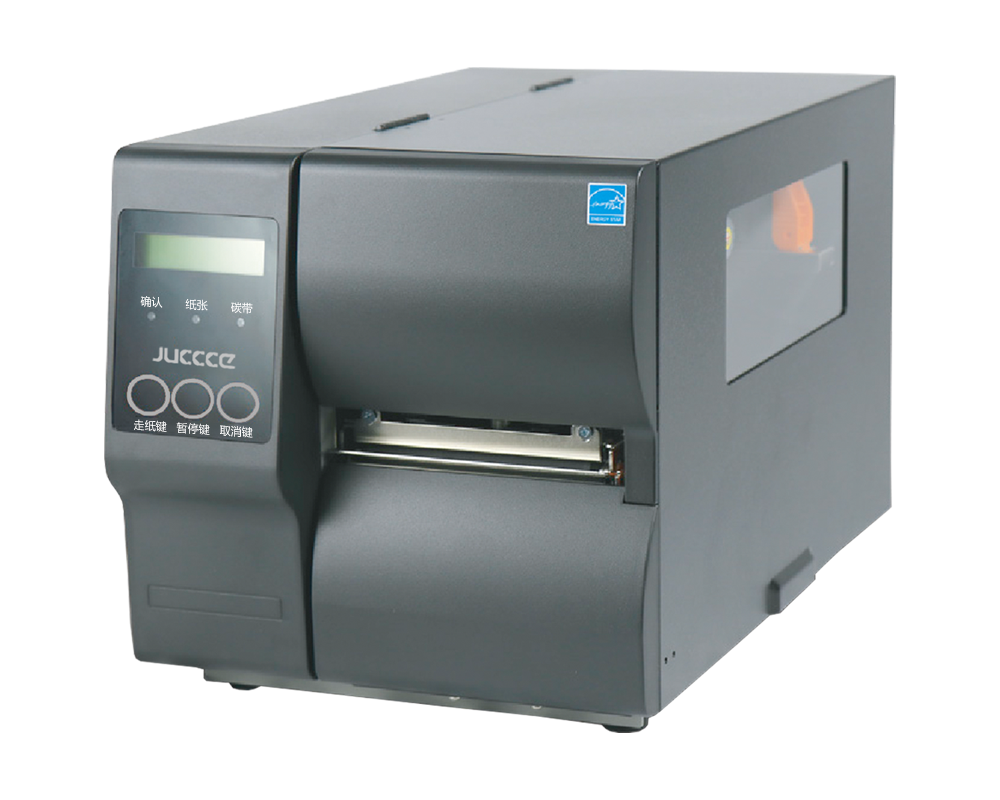
Understanding Label Printer Technology and Consumable Compatibility
Direct Thermal vs. Thermal Transfer: How Your Label Printer Determines Consumable Requirements
A label printer’s core technology dictates its consumable compatibility—not as a suggestion, but as a physical requirement. Direct thermal printers generate images by applying heat directly to chemically treated, heat-sensitive media. No ribbon is involved, making them simple and cost-effective for short-term uses like shipping labels. However, the image degrades under heat, UV light, or friction—limiting lifespan and durability.
Thermal transfer printers use a heated printhead to melt ink from a ribbon onto the label substrate. This enables durable, smudge-resistant output on a wide range of materials—including paper, polyester, polypropylene, and vinyl. Key hardware variables—printhead temperature profile, resolution (203–600 dpi), and design (flathead vs. near-edge)—directly influence which ribbons (wax, wax-resin, or resin) and substrates will perform reliably. Matching these elements as an integrated system—not as isolated components—is essential for consistent print quality and operational uptime.
Why Mismatched Label Printer + Ribbon + Substrate Causes 62% of Logistics Label Failures (Gartner, 2023)
Mismatched consumables are the leading preventable cause of label failure in logistics environments. Per Gartner (2023), 62% of logistics label failures trace back to incompatible combinations of printer, ribbon, and substrate. Examples include using wax-based ribbons on rough or cold surfaces (causing poor transfer), deploying direct thermal labels in sunlit dock areas (leading to rapid fading), or pairing low-energy print heads with high-melt substrates (resulting in weak adhesion or incomplete barcodes). These mismatches manifest as unreadable scannable codes, label curl, adhesive failure, or premature detachment—triggering manual rework, shipment delays, and compliance risk. Selecting consumables as a co-engineered system—validated for your printer model and environment—is the most effective way to avoid these failures.
Selecting Durable Consumables for Harsh Logistics Environments
Logistics operations subject labels to extreme and variable conditions: warehouse heat, refrigerated humidity, outdoor UV exposure, and mechanical abrasion from conveyors, forklifts, and pallet stacking. Durability isn’t optional—it’s foundational to data integrity, scan reliability, and regulatory compliance. Advances in material science have yielded purpose-built substrates: polypropylene resists moisture and mild chemicals; polyester withstands abrasion, high temperatures, and solvent exposure; and UV-protective topcoats preserve barcode contrast under prolonged sunlight. The key is matching these engineered properties to your specific stressors—not selecting based on price or familiarity.
Heat, Humidity, UV, and Abrasion Resistance: Matching Label Materials to Operational Conditions
Environmental stressors degrade labels in distinct ways. Heat accelerates adhesive breakdown and substrate yellowing; humidity promotes curl, ink bleed, and delamination; UV radiation fades print contrast; and abrasion from contact with pallets, machinery, or conveyor belts scuffs or removes surface layers.
In high-heat zones—such as manufacturing floors, loading docks, or vehicle interiors—polyester labels rated for continuous use up to 150°C (302°F) maintain dimensional stability and print integrity far better than paper or standard synthetics. For humid or refrigerated environments (e.g., cold storage, marine logistics), synthetic films like polyethylene or vinyl resist moisture absorption and retain flatness. Outdoor applications demand UV-stabilized facestocks and ribbons—ideally paired with protective overlaminate—to prevent contrast loss in barcodes and text. Where abrasion is frequent—like on wooden pallets or metal assets—abrasion-resistant films with hard-coat finishes or overlaminates significantly extend legibility and scan life.
Adhesive Performance Across Temperature Ranges and Surface Types (Pallets, Plastic, Cold Storage)
Adhesive selection is as critical—and nuanced—as substrate or ribbon choice. A label may survive environmental stress only to fail at the bond line. Permanent acrylic adhesives deliver strong, long-lasting bonds on non-porous surfaces like plastic or metal but lose tack below –10°C. Rubber-based adhesives excel in deep-freeze applications (down to –40°C/–40°F), maintaining initial grab and shear strength even in frosty conditions—but they can soften or discolor above 50°C.
On porous wood pallets, aggressive, high-tack adhesives penetrate grain structure and resist dust contamination. Peelable adhesives support temporary tagging—like staging labels or returnable asset IDs—without residue. Crucially, surface energy matters: low-energy plastics (e.g., polyethylene or polypropylene) repel standard adhesives unless specially formulated. Validating bond performance across your full operational temperature range—including thermal cycling during transit—ensures labels stay affixed from warehouse to destination.
Meeting Application-Specific Standards with Label Printer Consumables
Shipping Labels (4×6 in): Carrier Compliance, Barcode Scan Reliability (ISO/IEC 15416 A-grade ≥80%)
Shipping labels must satisfy stringent carrier requirements—not just for size (e.g., 4×6 inches), but for scannability, durability, and adhesive performance across temperature extremes. Thermal transfer printing with resin-based ribbons on polyester or polypropylene facestocks consistently achieves ISO/IEC 15416 A-grade barcode scores ≥80%, ensuring reliable reads in high-speed sortation systems. GS1 (2023) reports that unreadable barcodes contribute to 23% of shipment delays—making this grade non-negotiable for automated fulfillment. These materials also resist abrasion during handling, while permanent acrylic adhesives maintain secure attachment across temperature ranges from –20°C to 80°C.
Pallet ID, GHS Hazard Labels, and Asset Tracking: Material, Print Darkness, and Regulatory Alignment
Industrial labeling demands precision alignment between consumables and regulatory or functional requirements. For GHS-compliant hazard labels, UV-resistant vinyl substrates paired with high-opacity resin ribbons ensure HAZMAT symbols remain legible after chemical splash, abrasion, or extended outdoor exposure—meeting OSHA and CLP standards. Pallet ID labels require tear-resistant facestocks (e.g., reinforced polyester) and aggressive adhesives engineered for porous, dusty wood surfaces. RFID-enabled asset tags rely on metallic polyester or specialized antenna-integrated films to ensure signal integrity without interference. Print darkness must exceed 0.8 optical density (OD) to comply with ISO 18385 for forensic chain-of-custody identification—guaranteeing that critical text and barcodes remain machine-readable throughout the asset lifecycle.
FAQs
What is the main difference between direct thermal and thermal transfer printers?
Direct thermal printers create images by applying heat directly to heat-sensitive media, without using any ink ribbons. Thermal transfer printers, on the other hand, use heat to melt ink from a ribbon onto the label material, resulting in more durable and smudge-resistant labels.
Why do mismatched printer, ribbon, and substrate cause logistics label failures?
Mismatched combinations can lead to issues such as poor image transfer, fading under harsh environmental conditions, or adhesive failures, which may result in unreadable barcodes or detached labels.
What materials are best suited for high-heat or humid environments?
Polyester labels are ideal for high-heat environments due to their stability and durability. For humid or refrigerated settings, synthetic films like polyethylene or vinyl offer excellent moisture resistance.
How can I ensure adhesive performance across different temperatures?
Select adhesives based on operational temperature ranges. For example, rubber-based adhesives work well in freezing conditions, while acrylic adhesives are suitable for high-temperature environments.
What are the key requirements for shipping labels in logistics?
Shipping labels must meet carrier standards for size, scannability, durability, and adhesion. Thermal transfer printing with resin-based ribbons on suitable facestocks ensures compliance and reduces shipment delays.
Table of Contents
- Understanding Label Printer Technology and Consumable Compatibility
- Selecting Durable Consumables for Harsh Logistics Environments
- Meeting Application-Specific Standards with Label Printer Consumables
-
FAQs
- What is the main difference between direct thermal and thermal transfer printers?
- Why do mismatched printer, ribbon, and substrate cause logistics label failures?
- What materials are best suited for high-heat or humid environments?
- How can I ensure adhesive performance across different temperatures?
- What are the key requirements for shipping labels in logistics?