
 EN
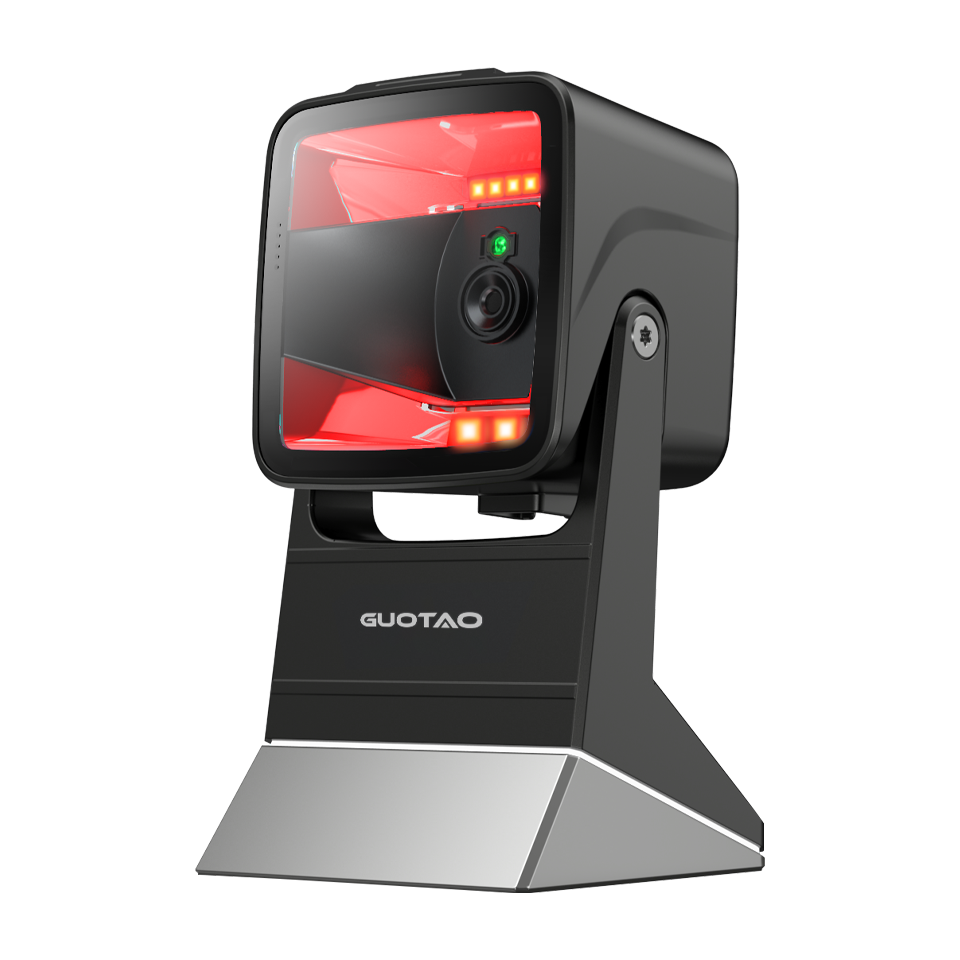
Real-Time Inventory Tracking with Barcode Scanner Accuracy
Eliminating Manual Entry Delays Through Instant Scan Validation
Manual stock recording creates critical delays—often minutes—between physical movement and system update. A barcode scanner closes that gap by validating each transaction in real time. The moment a worker scans an item during receiving, picking, or shipping, the inventory record updates instantly. This eliminates lag, transcription backlogs, and operational pauses for data entry. Because the scan verifies the identifier against the system before accepting input, invalid or misplaced items are flagged immediately. Leading logistics operations maintain inventory accuracy above 99% using this approach—and avoid the error cascades introduced by manual typing. Immediate feedback also enables supervisors to monitor stock flow without waiting for end-of-shift reconciliations.
How Barcode Scanner Converts Physical Items into Structured, Timestamped Data
A single scan does more than identify a product: it captures the unique SKU and automatically attaches a timestamp, location code, and operator ID. This transforms physical movement into a structured, auditable data point within the warehouse management system (WMS). Every scan builds a granular trail—recording when an item arrived, which bin it passed through, who handled it, and when it shipped. Unlike free-text logs, there’s no ambiguity: the system records the exact second of action, enabling full item journey reconstruction in seconds. Aggregated across thousands of daily scans, this data reveals bottlenecks, inefficient pick paths, and emerging demand shifts. With such precision, cycle counts become continuous, and stock-out alerts trigger before shelves empty—turning raw scan data into a real-time decision-making engine.
Dramatic Error Reduction in Warehouse Operations Using Barcode Scanner Technology
Cutting 3–5% Human Error Rates in Stock Recording and Receiving
Manual stock recording during receiving and cycle counting introduces a persistent 3–5% error rate—a key driver of inventory distortion . Each mis-keyed digit or transposed character can cascade into order-fulfillment failures, returns, and financial write-offs. Barcode scanners eliminate these errors by capturing item data in a single, validated scan. The device reads the encoded identifier and cross-checks it against the expected record, flagging mismatches before the transaction posts. This real-time verification reduces error rates by over 99%, transforming historically unreliable touchpoints into consistent, automated steps—without sacrificing throughput.
Preventing Transcription and Lookup Errors via Unique Identifier Binding
Transcription errors occur when workers manually type SKUs, lot codes, or serial numbers from labels; lookup errors stem from misreading handwritten tags or confusing visually similar identifiers. Barcode scanners prevent both by binding each physical item to a unique, machine-readable identifier—such as a GS1-standard GTIN or internal code—that directly populates the WMS. No keystrokes are needed: the scanner captures the full string and validates it against the database. If an item doesn’t match the expected location or order, the system alerts the operator instantly. This closed-loop binding removes transposed characters, mis-associations, and time-consuming manual lookups—ensuring every inventory movement captures the correct item, quantity, and location on every scan.
Accelerated Core Warehouse Processes Enabled by Barcode Scanner Integration
Barcode scanner integration transforms warehouse speed by replacing slow, error-prone manual steps with instant, validated data capture. Two high-impact areas—inventory audits and order picking—demonstrate how real-time validation and visibility directly shrink cycle times and drive throughput.
Faster Cycle Counts: How Tier-1 3PLs Achieve Sub-2-Hour Audits
Top-tier third-party logistics providers complete full cycle counts in under two hours—compared to the day-long shutdowns required by paper-based methods. Handheld barcode scanners validate location and SKU the moment an item is scanned, eliminating count sheets and manual re-keying. The system instantly reconciles quantities against the WMS and flags discrepancies while the operator remains in the aisle. This continuous, audit-grade verification slashes counting time by up to 90% and makes daily—or even shift-based—cycle counts operationally feasible. Continuous auditing sustains perpetual inventory accuracy above 99%, ensuring replenishment and order promising rely on trustworthy stock figures.
Optimizing Order Picking with Real-Time Stock Visibility and Feedback
Real-time barcode scanner feedback turns picking into a confirm-as-you-go process. When a picker scans a location barcode, the system validates the correct aisle, bin, and quantity before the item enters the tote. Terminal-mounted or wearable scanners provide tactile or visual alerts for mis-picks—preventing errors from reaching shipping. This closed-loop validation reduces picking errors by 60–70% and eliminates costly returns and rework. Tying each scan to a unique picker ID also enables managers to track picks per hour, isolate bottlenecks, and dynamically reassign labor. With every movement captured as structured, timestamped data, barcode scanning supports wave-less, order-driven picking—and advanced methods like cluster picking, where a single trip fulfills multiple orders simultaneously.
ROI and Scalability of Barcode Scanner Deployment in Modern Warehouses
Deploying barcode scanner technology delivers measurable ROI that justifies the initial investment. Even basic adoption—replacing manual stock recording with printable barcode labels—cuts picking errors by 40–60% (Finale Inventory, 2023). At the mid-tier, equipping staff with handheld scanners ($300–$800 per unit) typically yields payback within 3–6 months through a 30% increase in picking speed and up to 67% fewer inventory discrepancies (Finale Inventory, 2023). These gains stem from eliminating manual data entry delays and instantly validating each scan. Beyond immediate error reduction, barcode systems generate structured, timestamped records that streamline cycle counts and order packing. As order volumes grow, the same infrastructure scales seamlessly—from basic label scanning to mobile solutions and hands-free wearable scanners—future-proofing warehouse productivity without requiring process overhaul.
FAQ
What is the main benefit of using barcode scanners in inventory tracking?
Barcode scanners update inventory records in real time, eliminating manual entry delays and significantly reducing errors, which ensures inventory accuracy above 99%.
How do barcode scanners reduce errors in warehouse operations?
Barcode scanners eliminate transcription and manual lookup errors by automatically capturing and validating the SKU and associated data during each scan.
What types of data can a barcode scanner capture?
A barcode scanner captures SKUs, timestamps, location codes, and operator IDs, transforming physical movements into structured, auditable data points.
How do barcode scanners speed up inventory audits?
By validating SKUs and locations instantly, barcode scanners enable continuous inventory audits, reducing cycle count time by up to 90%, making sub-2-hour audits possible.
What ROI can be expected from barcode scanner deployment?
Basic barcode scanner adoption can cut picking errors by 40–60% and achieve ROI within 3–6 months, with significant long-term scalability and efficiency improvements.