
 EN
EN
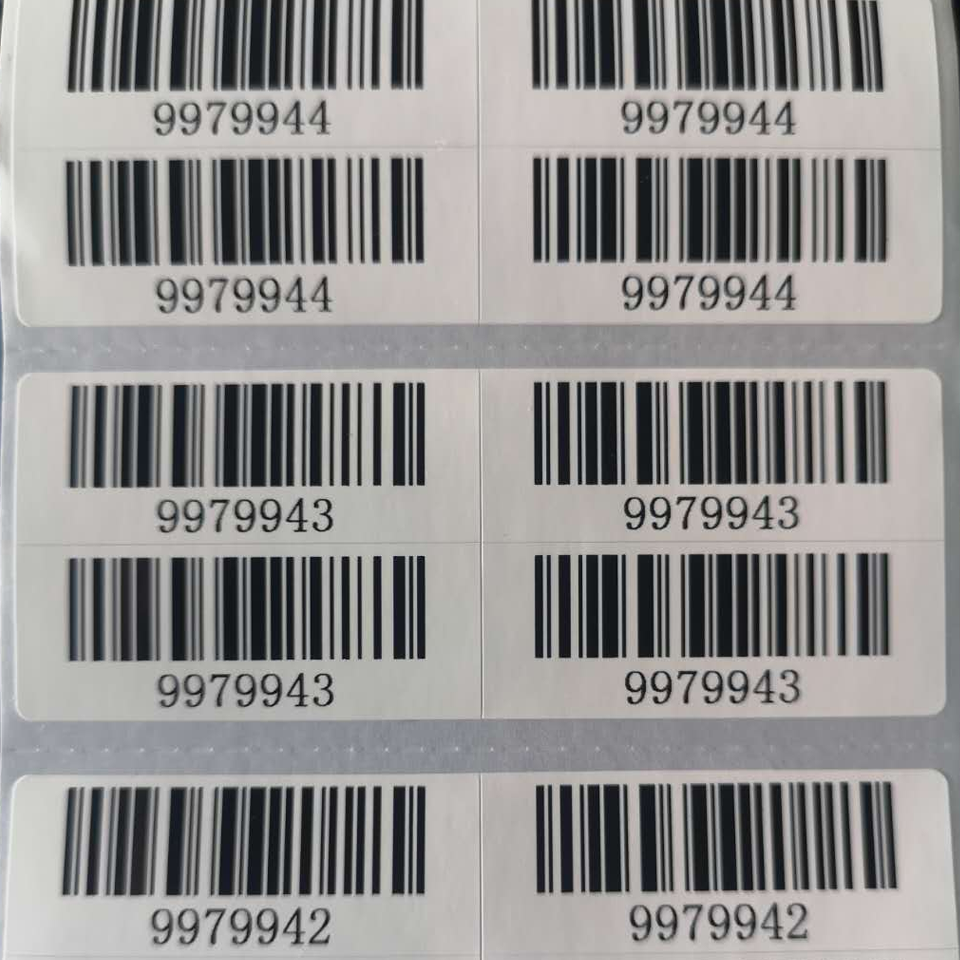
تفاوت اساسی: چگونه بارکدهای ۱ بعدی و ۲ بعدی از نظر ساختار و عملکرد با یکدیگر متفاوت هستند؟
مکانیزم رمزگذاری: الگوهای خطی در مقابل ذخیرهسازی دادهها بر اساس ماتریس
بارکدههای یکبعدی با استفاده از خطوط سیاه باریک و فضاهای سفید مجاور یکدیگر برای نمایش اطلاعات کار میکنند؛ همه این عناصر در یک ردیف مستقیم و تنها در یک جهت قرار گرفتهاند. از آنجا که حداکثر ظرفیت آنها حدود ۲۰ تا ۲۵ حرف و عدد است، این بارکدها برای کاربردهای ساده—مانند کدهای استاندارد UPC فروشگاههای مواد غذایی که روزانه روی محصولات مشاهده میشوند—بسیار مناسب هستند. اما بارکدهای دو بعدی رویکردی متفاوت دارند: آنها الگوهایی را ایجاد میکنند که از نقطهها، مربعها و گاهی حتی ششضلعیهای کوچک تشکیل شدهاند و در شبکههایی بهصورت دو بعدی (هم در جهت افقی و هم عمودی) چیده شدهاند. این بعد اضافی به آنها امکان میدهد حجم بسیار بیشتری از اطلاعات را در خود جای دهند—در واقع هزاران کاراکتر، از جمله آدرسهای کامل وبسایتها، کدهای امنیتی یا متنهای به چند زبان مختلف. تأثیر این تفاوت بر فرآیند اسکن نیز بسیار جالب توجه است: نسخههای قدیمی ۱D برای اسکن نیازمند لیزری هستند که دقیقاً در امتداد طول بارکد هدایت شود، اما بارکدهای ۲D امروزه امکان اسکن از تقریباً هر زاویهای را با دوربینهای معمولی گوشیهای هوشمند یا خوانندههای تصویری ویژه فراهم میکنند.
ظرفیت، نیازمندیهای اسکن و مصالحههای کاربردی در دنیای واقعی
بزرگترین تفاوت بین این انواع بارکد، میزان اطلاعاتی است که میتوانند ذخیره کنند. بارکدهای دو بعدی حدوداً ۲۰ تا ۱۰۰ برابر اطلاعات بیشتری نسبت به همتایان یکبعدی خود جای میدهند. این تفاوت اساسی تعیینکنندهی حوزههای کاربرد هر یک از این بارکدها است. فروشگاههای خردهفروشی همچنان عمدتاً در پایانههای پرداخت از کدهای ۱D استفاده میکنند، زیرا اسکن آنها سریع و ساده است و خود اسکنرها نیز قیمت مناسبی دارند (معمولاً بین ۵۰ تا ۲۰۰ دلار). در مقابل، کدهای ۲D در حوزههایی مانند تبلیغات تلفنهمراه، سیستمهای پرداخت بدون تماس و ردیابی محصولات در خطوط تولید کارخانهها جایگاه خود را پیدا کردهاند؛ جایی که نیاز به ذخیرهسازی حجم زیادی از اطلاعات در فضای کوچک وجود دارد. از نظر اسکن نیز تفاوتهایی وجود دارد: اسکنرهای قدیمی ۱D عملکرد نسبتاً خوبی در اسکن سطوح کثیف یا آسیبدیده دارند، اما نیازمند تجهیزات ویژهای هستند. از سوی دیگر، اسکنرهای ۲D به وضوح تصویر بالاتری نیاز دارند، اما این ضعف را با قابلیتهای هوشمند اصلاح خطا جبران میکنند. اگر به کاربردهای واقعی در صنایع مختلف نگاه کنیم، تولیدکنندگان معمولاً در عملیات لجستیک، زمانی که هزینهها اهمیت اصلی دارند، از کدهای ۱D استفاده میکنند؛ اما بیمارستانها و شرکتهای فناوری بهتدریج به سمت راهحلهای ۲D حرکت میکنند، زیرا نیاز دارند سوابق دقیقی را بدون اشغال فضای اضافی روی دستگاهها یا بستهبندیها نگهداری کنند.
فرمتهای ضروری بارکد ۱ بعدی: UPC، EAN، Code 39 و Code 128
UPC و EAN: استانداردهای GS1 که سیستمهای بارکد جهانی خردهفروشی را تأمین میکنند
کد محصول جهانی (UPC) و شماره مقاله اروپایی (EAN) پایههای استانداردهای GS1 را تشکیل میدهند که عملیات خردهفروشی را در سراسر جهان بهصورت نرم و بدون وقفه ادامه میدهند. UPC عمدتاً در آمریکای شمالی استفاده میشود و شامل ۱۲ رقم است که برای تسریع فرآیند اسکن در صندوقهای پرداخت و همچنین پایش سطوح موجودی طراحی شده است. سیستم EAN نیز بهصورت مشابهی کار میکند، اما یک رقم اضافی برای محصولاتی که در سطح بینالمللی — بهویژه در اروپا، بخشهایی از آسیا و بازارهای رو به گسترش دیگر — عرضه میشوند، افزوده میکند. این بارکدها تنها با اعداد کار میکنند و محصولات فیزیکی را از طریق چیزی به نام «ثبتگاه جهانی GS1» (GS1 Global Registry) به سیستمهای دیجیتالی پایش متصل میسازند. خردهفروشان نیز نتایج قابلتوجهی را تجربه کردهاند: فروشگاههایی که حجم بالایی از کالاها را مدیریت میکنند، کاهش حدود ۳۰ درصدی در خطاهای واردکردن دستی اطلاعات محصول را گزارش دادهاند. این امر منطقی است، زیرا این سیستم سرعت تمام مراحل را افزایش میدهد؛ از زمانی که بستهها به انبارها میرسند تا لحظهای که مشتریان سرانجام برای خرید خود پرداخت میکنند.
کد ۳۹ و کد ۱۲۸: مقایسهٔ پشتیبانی از کاراکترها، تراکم داده و پذیرش صنعتی
این فرمتهای صنعتی یکبعدی (۱D) نیازهای عملیاتی متفاوتی را برآورده میکنند:
- کد ۳۹ که در سال ۱۹۷۴ معرفی شد، ۴۳ کاراکتر را شامل حروف بزرگ الفبای لاتین و نمادهایی مانند (*، $، %) رمزگذاری میکند. تراکم پایینتر دادههای آن برای ردیابی داراییها در محیطهای خودروسازی و بهداشتی مناسب است که در آن اسکنرهای لیزری قدیمی همچنان رایج هستند.
- کد ۱۲۸ پشتیبانی از تمامی مجموعه کاراکترهای ASCII را فراهم میکند و با استفاده از جابهجایی خودکار مجموعه کاراکترها، تا ۳۰ درصد تراکم داده بیشتری در هر اینچ خطی نسبت به کد ۳۹ ایجاد میکند. این کارایی، آن را به انتخاب ارجح برچسبگذاری لجستیک، بستهبندی داروها و کاربردهای دولتی که نیازمند رمزگذاری فشرده و با وفاداری بالا هستند، تبدیل کرده است.
| ویژگی | کد ۳۹ | کد ۱۲۸ |
|---|---|---|
| پشتیبانی از کاراکترها | الفبایی-عددی + ۷ نماد | تمامی مجموعه ASCII (۱۲۸ کاراکتر) |
| تراکم داده | کم | بالا (30 درصد فشردهتر) |
| صنایع اصلی | تولید، مراقبتهای بهداشتی | لوجستیک، دولتی، مراقبتهای بهداشتی |
چگالی و انعطافپذیری کد ۱۲۸ باعث پذیرش گستردهاش در بخشهای نظارتشده و بخشهایی با محدودیت فضایی شده است، در حالی که کد ۳۹ همچنان در مواردی که سازگاری عقبنشینی با زیرساختهای قدیمی حیاتی است، ادامه دارد.
قالبهای رایج بارکد دو بعدی: QR Code، Data Matrix و PDF417
QR Code: استاندارد باز، خوانایی مبتنی بر تلفن همراه و اصلاح خطای داخلی
کدهای QR با ذخیرهسازی اطلاعات در این مربعهای کوچک و منظمی که از خانههای سیاه و سفید تشکیل شدهاند، کار میکنند. این کدها قادر به ذخیرهسازی حدود ۴۲۹۶ حرف و عدد در مجموع هستند و علاوه بر این، حدود ۳۰٪ فضای اضافی نیز برای جبران خطاهای احتمالی در آنها پیشبینی شده است. این بدان معناست که افراد حتی در صورت خراشیدگی یا پوشیدهشدن بخشی از کد نیز میتوانند آن را اسکن کنند. خبر خوب برای همه این است که استفاده از کدهای QR کاملاً رایگان است، زیرا این کدها از استانداردهای بینالمللی تعیینشده توسط سازمان استاندارد ایزو/آیئیسی ۱۸۰۰۴ پیروی میکنند. بهترین بخش این است که نیازی به تجهیزات پیچیدهای نیست؛ تنها کافی است از هر گوشی هوشمندی استفاده کنید و بلافاصله کار میکند. امروزه این کدها را در همهجا میبینیم: از پرداخت قبوض بدون تماس فیزیکی تا دریافت فوری اطلاعات محصولات. برخی از کاربردهای بسیار جالب آنها شامل ردیابی واکسنها در دورههای همهگیری نیز میشود که نشان میدهد چگونه چیزی به ظاهر ساده، دنیای فیزیکی ما را با انواع اطلاعات دیجیتالی که پشت صحنه اتفاق میافتند، به هم متصل میکند.
ماتریس دادهها (Data Matrix) و PDF417: رمزگذاری با تراکم بالا برای ردیابی صنعتی و مدیریت اسناد
کدهای ماتریس دادهها برای فضاهای صنعتی بسیار کوچک بسیار مؤثر هستند و میتوانند حدود ۲۳۰۰ حرف و عدد را در مکانهایی به اندازه یک میلیمتر مربع جای دهند. بسیاری از شرکتهای الکترونیکی این کدها را مستقیماً روی تراشهها و بردهای مدار چاپی قرار میدهند، زیرا حتی در شرایط کنتراست پایین، رزولوشن ناکافی یا وجود انحنای سطح نیز قابل خواندن باقی میمانند. از سوی دیگر، کد PDF417 با قرار دادن چندین نوار یکبعدی روی یکدیگر، حدود ۱٫۱ کیلوبایت اطلاعات را ذخیره میکند؛ این اطلاعات شامل مواردی مانند اسکن اثر انگشت، امضای الکترونیکی و مجموعههای سازمانیافته دادهها میشوند. این کد در همهجا دیده میشود: از گواهینامههای رانندگی آمریکا گرفته تا اسناد ردیابی بار و بلیطهای هواپیما. دلیل این امر این است که این کدها دارای ویژگیهای داخلی اصلاح خطاست و لایههای امنیتی قویای هستند که برای اسناد رسمی مهم کاملاً منطقی و مناسب میباشند.
| فرمت | حداکثر ظرفیت | کاربردهای اصلی | نقطه قوت کلیدی |
|---|---|---|---|
| کد QR | ۴۲۹۶ کاراکتر | بازاریابی، تعاملات تلفن همراه | تصحیح خطای ۳۰٪ |
| ماتریس دادهها | ۲۳۳۵ کاراکتر | الکترونیک، ردیابی قطعات کوچک | قابلیت خواندن در مقیاس میکروسکوپی |
| PDF417 | ۱٫۱ کیلوبایت | شناسهها، اسناد لجستیک | امنیت دادههای چندلایه |
سوالات متداول
تفاوت اصلی بین بارکدهای ۱ بعدی و ۲ بعدی چیست؟
تفاوت اصلی در ظرفیت ذخیرهسازی داده و ساختار آن است. بارکدهای ۱ بعدی از الگوهای خطی استفاده میکنند و تنها میتوانند اطلاعات محدودی (حدود ۲۰ تا ۲۵ کاراکتر) را ذخیره کنند. در مقابل، بارکدهای ۲ بعدی از ذخیرهسازی داده مبتنی بر ماتریس بهره میبرند که ظرفیت اطلاعاتی آنها را به هزاران کاراکتر افزایش میدهد.
چرا در برخی صنایع از بارکدهای ۲ بعدی به جای بارکدهای ۱ بعدی استفاده میشود؟
بارکدهای ۲ بعدی در بخشهایی که نیاز به ذخیرهسازی حجم زیادی از داده در فضایی فشرده دارند — مانند تبلیغات تلفن همراه، پرداختهای بدون تماس و ردیابی محصولات در محیطهای صنعتی — ترجیح داده میشوند. این بارکدها به حوزههایی مانند مراقبتهای بهداشتی و فناوری اجازه میدهند تا اطلاعات دقیق و جامعی را بدون اشغال فضای اضافی روی دستگاهها یا بستهبندیها نگهداری کنند.
آیا میتوانم از تلفن هوشمندم برای اسکن تمام انواع بارکد استفاده کنم؟
بله، تلفنهای هوشمند مدرن قادر به اسکن هر دو نوع بارکد ۱ بعدی (۱D) و ۲ بعدی (۲D) هستند. با این حال، اسکن بارکدهای ۲ بعدی معمولاً آسانتر است، زیرا نیازی به تراز دقیقی ندارند—برخلاف اسکنرهای قدیمی ۱ بعدی.
چه عاملی کدهای QR را قابل دسترس و آسان برای استفاده میکند؟
کدهای QR به دلیل ذخیرهسازی دادهها در قالب شبکهای از مربعها که توسط هر تلفن هوشمندی قابل خواندن است، کاربرپسند هستند. استفاده از آنها رایگان است و قابلیت اصلاح خطای بالایی دارند؛ بنابراین حتی در صورت آسیب جزئی نیز میتوان آنها را با دقت خواند.
کدهای PDF417 معمولاً در کجا استفاده میشوند؟
کدهای PDF417 در مواردی که ظرفیت ذخیرهسازی دادههای حجیم و امنیت اطلاعات ضروری است—مانند کارتهای شناسایی، اسناد لجستیکی و بلیطهای حملونقل—استفاده میشوند. این کدها امنیت چندلایهای برای دادهها فراهم میکنند و برای تأیید اسناد رسمی مناسب هستند.