
 EN
EN
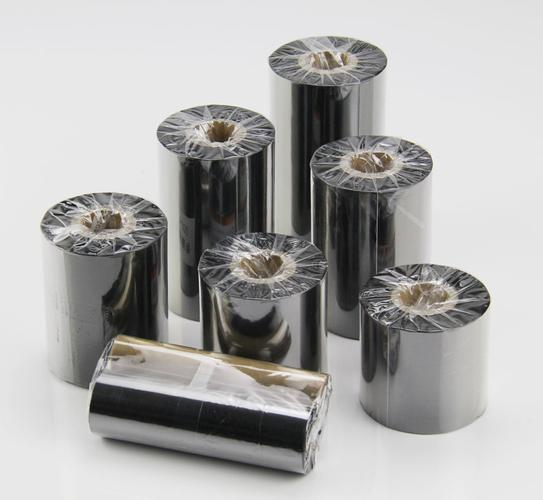
Како хемија траке дефинише перформансе: Вокс против воска-резин против смоле
Точка топљења, механизам прилепљења и понашање везивања супстрата
Начин на који траке за топлотни пренос раде зависи од хемикалија од којих су направљене, а не само од количине топлоте коју могу да поднесу. Воскове траке обично се почеју тајати око 60 до 70 степени Целзијуса. Они се прилепљују на папирове етикете физичким везањем што је одлично за апликације за штампање у затвореном простору. Међутим, ови воскови отисци имају тенденцију да бледе када су изложени води или се лако погребају. За смолеве траке ствари су другачије. Овим је потребна више топлоте, око 80 до 100 степени, да би се заправо хемијски повезали са материјалима као што је полиестерски филм. То ствара нешто много јаче на молекуларном нивоу које се издрже од растварача, оштећења сунчевим зрацима и редовног хабања. Постоји и ова средња опција која се зове хибрид воска-резина. Њихова тачка топљења је између 70 и 85 степени Целзијуса. То их чини погодним за те полусинтетичке материјале, а истовремено пружају бољу заштиту од огребања у поређењу са обичним воском тракама. Плус, не захтевају исте интензивне подешавања штампача као опције са пуном смолом.
Разлике у трајности су јаке и директно повезане са хемијом:
| Тип траке | Точка топљења | Компатибилност субстрата | Отпорност на абразију |
|---|---|---|---|
| Вакс | 6070°C | Папир, мато завршке | 200 циклуса мачења |
| Вакс-резин | 7085°C | Стручни материјали | 1200 циклуса мачења |
| Смола | 80100°C | Филмови, обојени синтетички материјали | 5000+ трљања |
Ово се преводи у дуговечност у стварном свету: штампе са смолом задржавају скенирање 24+ месеци на отвореном, док је восок погодан само за краткорочну употребу у затвореном простору.
Границе квалитета штампе и резолуције: када је dpi важан и када није
Способност да се производе јасне слике у великој мери зависи од хемијских својстава материјала који се користе. Узмите смоле за пр. Они стварају веома прецизне тачке које су веома важне у апликацијама где је квалитет од суштинског значаја. Они могу да достигну резолуцију између 300 и 600 дпи, што их чини одличним за ствари као што су етикете медицинских уређаја или електронске амбалаже где су потребне оштре ивице како би се избегли проблеми са скенерима који правилно читају информације. Воскове траке нису тако добре, обично достижу 200 до 300 dpi. Они добро функционишу за велике ширеће етикете које се скенирају издалеко, али се лако мрљају када су изложени трку или влаги. За ситуације у којима је потребно нешто између, комбинације воска и смоле постижу разумну равнотежу. Ови мешани материјали пружају резолуцију од 250 до 400 dpi погодна за ознаке средстава које не захтевају ултра високе детаље, али и даље требају пристојну издржљивост против свакодневног зноја.
Приоритетирање ДПИ треба да буде контекстуално: мали КР кодови, датуми истека или ГС1 ДатаМатрикс симболи захтевају прецизност од смоле; етикете складишта на палетима скениране са више од 3 стопе не. Резина такође одржава дефиницију у окружењима са високом влажношћу где се восок замаглује, што га чини јединим поузданим избором када је контрола околине ограничена.
Успоредити тип траке са материјалом и окружењем ознаке
Папирне етикете: Зашто се воскова трака одликује (и када не успева)
Воскова трака остаје оптимални избор за стандардне папировске етикете у стабилном, унутрашњем окружењудобивајући оштру репродукцију баркода на најнижим оперативним трошковима по етикети. Они су одлични за малопродајне цене, етикете за кратко растојање и унутрашњу логистичку документацију са очекиваним животним временом испод 60 дана.
Воскови премази не држе се добро када ствари испаду из руке у стварном свету. У хладним или влажним складиштима воскови слојеви се обично топе за само неколико недеља након што се кондензација формира на површини. Рађење документима такође прилично брзо смањује штампане информације, што значи да би ти важни баркодови могли постати нечитаљиви у критичним тренуцима ланца снабдевања. Када се ради о папиром дуже од два месеца, посебно ако се суочава са променама температуре, малим трчањем током транспорта или повременим проливањем, воско печатање једноставно није довољно поуздано. Ово ствара озбиљне проблеме за предузећа која су забринути и о континуитету операције и испуњавање регулаторних захтева.
Синтетички филмови (полиестер, полипропилен): Потребност и трајност резине
За синтетичке материјале као што су полиестер (ПЕТ) и полипропилен (ПП), смоле играју кључну улогу. Проблем је што ове пластике једноставно немају довољно порозности или површинске енергије да би дозволе да редовне физичке методе везивања раде правилно. Зато нам требају смољинске траке са њиховим полимерским својствима топлотне фузије да би се трајни, хемијски стабилни отисци задржали. Обични восок или воскова смола неће бити довољно. Оно што чини смолу посебном је то што она ствара нешто слично ковалентним везама са површинама филма. Ова јачина везе значи да штампани материјали могу да преживе скоро све што им се баци у екстремним условима животне средине.
- Потапање у етанол или изопропил алкохол (чешће у лабораторијским и клиничким условима)
- Стерилизација у аутоклаву (121135°C, засићена парова)
- Вишегодишње излагање на отвореном са пуном уволњеним отпором
Тестирање убрзаног старења показује да полиестерске етикете штампане смолом задржавају > 99% стопе скенирања након симулиране 10-годишње ветрове. Овај ниво интегритета података оправдава веће инвестиције у фармацеутске, индустријске и аутомобилске секторе где неуспех на ознаци носи безбедносне, регулаторне или финансијске последице.
Избор листице специфичне за апликацију: Корабоплава, здравствена заштита и индустријски случајеви употребе
Шипинг и логистика: Читаност, скенирање и оптимизација трошкова по етикетама баркода
Избор трака заиста је важан за то колико добро функционишу скенирања и колико брзо се ствари крећу кроз систем у логистичким операцијама. Већина људи користи траке од воскове смоле не зато што су то најбоља опција, већ зато што имају добар средњи пут између онога што кошта новац и онога што траје довољно дуго када се штампа на обичан папир који се баца током испоруке и излага све врсте временских услова. Према истраживању које је објавио GS1 САД 2023. године, скоро сваки пети кашњење у ланцу снабдевања може се пратити ка етикетама које једноставно не скенирају правилно. И погодите шта? Очигледно је да су прсте највећи проблем који узрокује главобоље.
Када гледају колико етикете заправо коштају, већина људи заборавља да размотри много више од онога што је напечаћено на цене. У стварну слику спада колико се етикета свуче из сваке ролле траке, колико брзо се штампа и колико често се не испоручује. Воскова трака може изгледати као најјефтинија опција на први поглед, али свако ко се бави њима зна да се лако мрља када се влага укрива, што доводи до губитка отисака и свег додатног времена потрошених ручно проверавајући етикете. Резине траке су потпуно друга прича. Они трају заувек, што кошта новац за нешто што не мора да живи заувек. За оне привремене pošiljke које само стоје недељу или две, то је претерано. Али да ли би се исте етикете наредиле на контејнере за високо вредносни товар или опасне ствари? Одједном њихова цена има смисла јер нико не жели да критична ознака нестане након неколико дана складиштења.
Здравствена заштита и фармација: Стерилизација, отпорност на хемикалије и захтеви за усаглашеност са прописима
У здравственом окружењу, смоле су прилично потребне за правилно означивање. Чињеница је да обични материјали неће бити добри када буду изложени суровим методама стерилизације. Анки на бази смоле могу да се носе са аутоклавским циклусима на више од 121 степени Целзијуса, преживљавају третмани етилен оксидом гаса и и даље се држе након вишекратног замочавања у уобичајеним дезинфектантима као што су водоник пероксид или штрицинг алкохол без блеђења Када се комбинују са полиестерским или полипропиленским етикетама, ови смолови печатери задовољавају важне регулаторне стандарде као што су ИСО 13485 и ФДА 21 ЦФР Део 11. Ови прописи постоје и због доброг разлога, јер осигурају да медицински уређаји буду правилно праћени током свог животног циклуса, док се пацијенти чувају од погрешно идентификоване опреме.
Проблем са весом и весом-резином веза током ЕТО стерилизације се свезује на то што растворитељи улазе у њих и разбивају ствари. Резина се боље држи због своје прековрсне повезане полимерске структуре која се у основи држи заједно када би се други материјали распадали. Када говоримо о стварима као што су криогене за складиштење крви или те хируршке инструменте који требају етикете, смола осигурава да важне информације остану на месту чак и након што прођу кроз више замрзавања и одмрзавања и све редовне манипулације овим предметима. Нико не жели да изгуби траг о бројевима партија, датима истека или идентификационим маркерима пацијента. И да се суочимо са тим, на местима где су прописи строги, одабирање правог типа траке више није само лична преференција. То је постало део званичног система ознаке који треба да буде правилно потврђен пре него што га неко прихвати као добру праксу.
Укупни трошкови власништва: изван цене листице за штампање износ и поузданост
Ако се фокусирамо само на куповну цену траке, то замагљује праву цену топлотне штампе. Производња штампе, измерена у метрима по ролу, директно одређује учесталост рада, време простора и отпад материјала. Поузданност комбинује те променљиве: траке подлоге мрљању, кршењу или непостојаном преносу повећавају грешке у штампи, отпад на етикетама и непланирано одржавање.
Индустријска бенчмаркинг показује да премијум траке са оптимизованом хемијом смањују укупне оперативне трошкове за 1525%, упркос 1015% већој почетној цени. Кључни покретачи укључују:
- 30~50% смањење отпада од препечатања , омогућен је суперотпорност на мрља и огреб
- 2040% мање промена , захваљујући продуженим дужинама ваљања и конзистентним перформансима за напетост
- Мање оптерећење одржавањем штампача , јер стабилно ослобађање мастила минимизира затклавање штампачке главе и клизну траке
Скривени трошкови се брзо повећавају: свака незапланирана промена траке троши 515 минута времена оператера; погрешне печате на етикетама у здравственој заштити или логистици могу изазвати резултате ревизије, повлачење или казне за усклађеност. Ригорозни модел ЦОЦ-а квантификује:
- Трошкови траке × укупне произведене етикете
- Радно време × учесталост промене
- Материјални трошкови одбацаних ознака
- Трошкови за време одступања по инциденту (укључујући решавање проблема и поновно потврђивање)
Овај холистички поглед трансформише избор траке од тактичке одлуке о набавци у стратешки лов за оперативну отпорност, осигурање квалитета и дугорочну контролу трошкова.
Често постављене питања
Која је главна разлика између воска, воско-резине и смолових трака?
Воскове траке су најбоље за унутрашње, краткорочне апликације са папирним етикетама, док воскова смола нуди баланс погодан за полусинтетичке производе. Резине траке су идеалне за дуготрајну издржљивост на синтетичким филмовима због високе абразије и хемијске отпорности.
Зашто је хемија трака важна?
Хемија траке одређује трајност штампе, отпорност на факторе животне средине и компатибилност са различитим субстратима, што утиче на целокупну квалитет и дуговечност етикета.
Које траке су најбоље за штампе високе резолуције?
Резине траке су најбоље за штампе високе резолуције, нуде до 600 dpi, што је од кључне важности за апликације које захтевају прецизност као што су етикете медицинских уређаја.
Како услови околине утичу на избор траке?
Фактори околине као што су влажност, промене температуре и излагање хемикалија одређују врсту траке коју треба користити. Резина је пожељна за неблагопријатне услове, док се восок прилагођава стабилном унутрашњем окружењу.
Који су разлози за избор траке?
Иако се воскове траке први пут чине јефтиније, укупне трошкове укључују износ штампе, трајност и учесталост промена, где смола нуди бољу дугорочну вредност.
Садржај
- Како хемија траке дефинише перформансе: Вокс против воска-резин против смоле
- Успоредити тип траке са материјалом и окружењем ознаке
- Избор листице специфичне за апликацију: Корабоплава, здравствена заштита и индустријски случајеви употребе
- Укупни трошкови власништва: изван цене листице за штампање износ и поузданост
- Често постављене питања