
 EN
EN
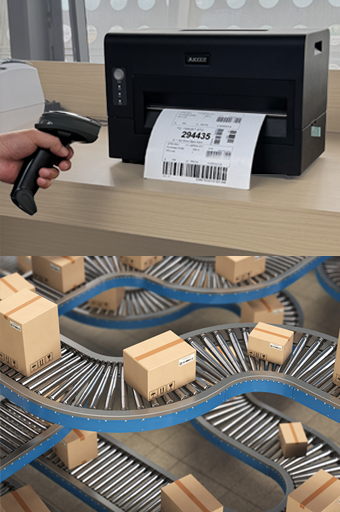
Principais Fatores Tecnológicos que Impulsionam o Desempenho das Impressoras Industriais de Alta Velocidade
Jato de Tinta Contínuo (CIJ) e Jato de Tinta Piezo de Alta Resolução: Habilitando um Débito Estável Superior a 300 m/min
A tecnologia de jato contínuo de tinta (CIJ) fornece marcação sem contato por meio de jatos de gotículas em alta velocidade — ideal para codificação em superfícies irregulares ou em movimento, a velocidades extremas. Seu mecanismo de fluxo ininterrupto evita entupimentos durante operações contínuas 24/7, suportando verdadeiramente a produção ininterrupta. Os sistemas de jato de tinta piezo complementam essa abordagem com atuadores cristalinos que ejetam gotículas na faixa de picolitros com precisão posicional de ±5 mícrons, alcançando resolução de até 600 dpi, mantendo simultaneamente uma saída estável em velocidades de esteira superiores a 300 metros por minuto. O controle preciso das gotículas compensa ativamente as vibrações do substrato, garantindo códigos de lote legíveis e escaneáveis em latas de bebidas e blisters farmacêuticos. A gestão integrada de solventes mantém a viscosidade da tinta constante entre turnos, reduzindo os intervalos programados de manutenção em 30% em comparação com sistemas anteriores. As cabeças de impressão termoestáveis e os caminhos de fluido asseguram ainda mais um desempenho confiável em ambientes desafiadores — desde armazéns refrigerados até linhas de embalagem em alta umidade.
Roteamento de Impressão Otimizado por IA e Calibração em Tempo Real do Meio para Saída Consistente à Velocidade da Linha
Algoritmos de aprendizado de máquina refinam dinamicamente as trajetórias dos cabeçotes de impressão com base na análise em tempo real do substrato. Câmeras de alta velocidade capturam variações de superfície a 10.000 quadros por segundo, fornecendo dados de textura e porosidade às redes neurais treinadas para prever o comportamento do meio e otimizar a deposição de tinta antes contato. Simultaneamente, sensores piezoelétricos embutidos monitoram a temperatura e a umidade ambiente, acionando ajustes automáticos de viscosidade no sistema de alimentação de tinta. Essa calibração em malha fechada preserva a nitidez dos contornos e a fidelidade das cores — mesmo durante acelerações bruscas da linha. Como resultado, os erros de desregisto caem 92% na vazão máxima, e os gestores de produção relatam 40% menos lotes rejeitados, mantendo-se plenamente compatível a impressão de dados variáveis mesmo durante picos de velocidade de 20%.
Integração perfeita da impressora industrial em fluxos de trabalho automatizados de produção
Sincronização PLC, OPC-UA e MES para Impressão Sem Tempo de Inatividade e Acionada por Eventos
Impressoras industriais modernas eliminam a intervenção manual por meio de sincronização nativa com Controladores Lógicos Programáveis (PLC), protocolos de comunicação OPC-UA e Sistemas de Execução de Manufatura (MES). A impressão acionada por eventos é ativada automaticamente quando sensores fotoelétricos ou de visão detectam a presença do produto na esteira — garantindo posicionamento preciso e repetível dos códigos, sem necessidade de intervenção operacional. Esse diálogo máquina-a-máquina mantém a velocidade máxima da linha e evita paradas onerosas causadas por desajustes temporais ou latência humana. O resultado é uma impressão sem tempo de inatividade, perfeitamente alinhada ao ritmo da produção.
Configurações Prontas para OEM: Velocidade de Impressão, Largura e Software Personalizados para Linhas Automotivas e Farmacêuticas
Impressoras industriais prontas para OEM apresentam arquiteturas de hardware modulares e software adaptável, projetadas para implantação específica por setor. As velocidades de impressão configuráveis superam 300 m/min, enquanto as larguras de impressão escaláveis variam de 10 mm a 1 m — suportando desde microcodificação em seringas até rotulagem em largura total em painéis de acabamento automotivo. As integrações automotivas incluem marcação direta em peças guiada por visão embutida; as versões farmacêuticas são pré-validadas para serialização, geração de códigos de barras compatíveis com o padrão GS1 e fluxos de rastreamento e rastreabilidade. Interfaces plug-and-play permitem conexão perfeita a equipamentos fabris legados, reduzindo em 40% o tempo médio de implantação.
Qualidade de Impressão, Durabilidade dos Códigos e Confiabilidade em Condições Reais da Impressora Industrial
Resolvendo o Compromisso entre Velocidade e Resolução: 600 dpi a 1000 pés/min mediante tintas curáveis por UV e atuação piezo de precisão
Tintas curáveis por UV — combinadas com cabeças de impressão piezo de alta resposta — eliminam o compromisso tradicional entre velocidade e resolução. Curadas instantaneamente por LED após a deposição, essas tintas evitam borramento e esgarçamento, preservando uma clareza de 600 dpi em velocidades de linha de até 1000 pés/min (≈305 m/min). A modulação do tamanho das gotas em nível de microssegundo permite textos nítidos, códigos de barras 2D de alta densidade e gráficos de linhas finas — mesmo em substratos curvos, texturizados ou de baixa energia superficial. O borrão diminui em 70% em comparação com alternativas à base de solvente, atendendo diretamente aos requisitos regulatórios de serialização farmacêutica e gravação de VINs automotivos, onde códigos permanentes e escaneáveis são imprescindíveis.
A Lacuna de Integração: Por Que 92% das Falhas em Códigos de Lote Decorrem de Incompatibilidades no Fluxo de Trabalho, e Não das Especificações Técnicas da Impressora Industrial
Um estudo da indústria de embalagens de 2023 revelou que 92% das falhas de codificação não se originam de limitações das impressoras, mas sim de lacunas na integração dos fluxos de trabalho — especialmente atrasos na comunicação entre CLP e MES e retroalimentação tardia dos sensores. Sintomas comuns incluem disparos desalinhados do produto, resposta inconsistente da viscosidade da tinta durante a aceleração e eventos de serialização perdidos quando as velocidades da linha ultrapassam 300 unidades/min. Esses problemas geram datas de validade ilegíveis, códigos QR truncados ou identificadores de lote ausentes. Os principais fabricantes agora priorizam a integração nativa OPC-UA, que reduz em 58% as falhas relacionadas ao fluxo de trabalho por meio de troca de dados determinística e em tempo real entre transportadores, sensores e sistemas de impressão.
Adequação Escalável para Aplicações: Da Codificação de Embalagens à Etiquetagem de Largura Total com Dados Variáveis
As impressoras industriais oferecem versatilidade excepcional — escalando perfeitamente desde a codificação básica de data/lote em embalagens flexíveis até a rotulagem de dados variáveis em largura total e alta resolução em caixas de papelão ondulado ou componentes automotivos. Sua arquitetura central suporta reconfiguração rápida entre diferentes substratos, geometrias de recipientes e níveis de complexidade dos dados — seja para imprimir números de série únicos em dispositivos médicos ou rótulos de conformidade multilingues em paletes de exportação. Os motores de impressão de dados variáveis (VDP) suportam nativamente os padrões GS1, ISO/IEC 15415 e FDA UDI, permitindo rastreabilidade ponta a ponta em ambientes regulamentados. Os fabricantes que aproveitam essa escalabilidade reduzem os custos de integração em 35% ao expandir sua capacidade — e evitam totalmente gargalos ao lançar novos SKUs ou formatos personalizados de rotulagem, tudo sem substituir a infraestrutura de impressão principal.
Perguntas Frequentes
Qual é a principal vantagem da tecnologia de jato contínuo de tinta (CIJ)?
A tecnologia CIJ fornece codificação em alta velocidade e sem contato em superfícies irregulares ou em movimento, com fluxo contínuo, tornando-a ideal para ambientes de produção contínua.
Como as impressoras industriais mantêm a qualidade de impressão em altas velocidades?
Recursos avançados, como roteamento de trajetória de impressão otimizado por IA, calibração em tempo real do meio e controle em malha fechada da viscosidade garantem saída consistente, mesmo durante acelerações rápidas da linha.
O que torna as tintas curáveis por UV eficazes para impressão industrial?
As tintas curáveis por UV são curadas instantaneamente por LED após a deposição, evitando borrões e preservando impressões de alta resolução em velocidades de linha de até 1000 pés/min (305 m/min).
Como as impressoras industriais se integram em fluxos de trabalho automatizados?
As impressoras utilizam protocolos como PLC e OPC-UA para sincronização com sistemas automatizados, permitindo impressão acionada por eventos e operações sem tempo de inatividade.
As impressoras industriais podem lidar com uma ampla gama de aplicações?
Sim, essas impressoras são versáteis, suportando tarefas como codificação em lote, serialização, rotulagem de largura total e impressão de dados variáveis em diversos setores.
Sumário
- Principais Fatores Tecnológicos que Impulsionam o Desempenho das Impressoras Industriais de Alta Velocidade
- Integração perfeita da impressora industrial em fluxos de trabalho automatizados de produção
-
Qualidade de Impressão, Durabilidade dos Códigos e Confiabilidade em Condições Reais da Impressora Industrial
- Resolvendo o Compromisso entre Velocidade e Resolução: 600 dpi a 1000 pés/min mediante tintas curáveis por UV e atuação piezo de precisão
- A Lacuna de Integração: Por Que 92% das Falhas em Códigos de Lote Decorrem de Incompatibilidades no Fluxo de Trabalho, e Não das Especificações Técnicas da Impressora Industrial
- Adequação Escalável para Aplicações: Da Codificação de Embalagens à Etiquetagem de Largura Total com Dados Variáveis
-
Perguntas Frequentes
- Qual é a principal vantagem da tecnologia de jato contínuo de tinta (CIJ)?
- Como as impressoras industriais mantêm a qualidade de impressão em altas velocidades?
- O que torna as tintas curáveis por UV eficazes para impressão industrial?
- Como as impressoras industriais se integram em fluxos de trabalho automatizados?
- As impressoras industriais podem lidar com uma ampla gama de aplicações?