
 EN
EN
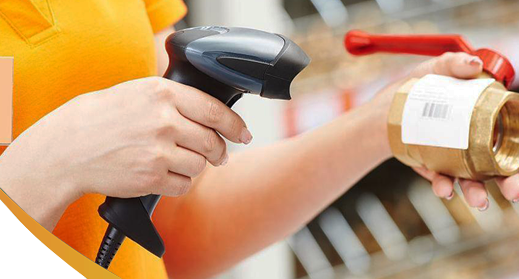
Jak bezprzewodowe skanery kodów kreskowych umożliwiają nieograniczoną wydajność przepływu pracy
Łączenie za pośrednictwem Bluetooth i Wi-Fi: rozwiązanie problemu ograniczeń wynikających z użycia przewodów
Bezprzewodowe skanery kodów kreskowych eliminują uciążliwe przewody dzięki połączeniom Bluetooth i Wi-Fi, umożliwiając pracownikom swobodne poruszanie się po magazynach i fabrykach bez konieczności ciągłego powracania do stałych stanowisk. Wolność zapewniana przez te urządzenia pozwala również zaoszczędzić znaczne ilości czasu. Badania przeprowadzone w dziedzinie logistyki wykazały, że czas przejścia między różnymi miejscami przechowywania zapasów zmniejsza się o około 40%. Ponadto pracownicy mogą synchronizować dane bezpośrednio w miejscu wykonywania pracy, zamiast czekać na to do późniejszego momentu. Gdy nie trzeba już wpisywać informacji ręcznie, liczba błędów znacznie maleje, a całe procesy operacyjne przebiegają płynnie, bez częstych przerw. Większość obecnie dostępnych modeli jest zaskakująco lekka i dobrze zbalansowana, co sprawia, że pracownicy mogą wygodnie korzystać z nich przez cały czas trwania zmiany, nie odczuwając szybko zmęczenia.
Zapewnienie przyszłościowej elastyczności mobilności: skanery gotowe do działania w sieci 5G oraz infrastruktura zintegrowana z chmurą
Najnowsze skanery bezprzewodowe są wyposażone w możliwości 5G i oparte na platformach chmurowych, aby sprostać zmieniającym się potrzebom nowoczesnych operacji. Gdy nie ma połączenia z internetem, urządzenia te przechowują dane ze skanów lokalnie, dzięki czemu pracownicy mogą kontynuować pracę bez przeszkód. Po przywróceniu połączenia z siecią wszystkie zapisane skany są automatycznie wysyłane do systemu zarządzania magazynem. Połączenie chmurowe umożliwia nie tylko przechowywanie danych, ale także zdalne aktualizacje oprogramowania oraz zdalne zarządzanie wieloma urządzeniami z jednego centralnego miejsca, co znacznie ułatwia skalowanie operacji przy jednoczesnym zapewnieniu bezpieczeństwa. Testy w warunkach rzeczywistych wykazały, że te nowe systemy radzą sobie z zadaniami skanowania mniej więcej trzy razy szybciej niż starsze modele przewodowe, stanowiąc poważny upgrade dla każdej placówki dążącej do zwiększenia efektywności.
Przeksztalcanie operacji magazynowych za pomocą bezprzewodowych skanerów kodów kreskowych
Studium przypadku: o 32% szybsze cykle kompletacji zamówień w DHL w Lipsku dzięki skanowaniu bez przewodów
Centrum logistyczne DHL w Lipsku odnotowało znaczny wzrost wydajności po wprowadzeniu bezprzewodowych skanerów kodów kreskowych zamiast zmuszania pracowników do powrotu do stacjonarnych terminali po każdym skanowaniu. Czas kompletowania zamówień skrócił się o niemal jedną trzecią — co jest dość imponujące. Pracownicy spędzają teraz o 41% mniej czasu na poruszaniu się między zadaniami, a magazyn obsługuje codziennie o 28% więcej zamówień niż wcześniej (według danych DHL Lipsk 2023). Utrzymanie dokładności stanów magazynowych nigdy nie było łatwiejsze. System synchronizuje się w czasie rzeczywistym z oprogramowaniem do zarządzania magazynem, dzięki czemu dokładność stanów zapasów utrzymuje się na poziomie powyżej 99,6% w większości dni. Dodatkowo inteligentne trasowanie pomaga pracownikom najpierw znaleźć pilne pozycje, nie gubiąc się w labiryncie półek. Nie dziwi więc, że ta zmiana tak bardzo wpłynęła na efektywność operacji w tym miejscu.
Korzyści ergonomiczne: zmniejszenie zmęczenia i zwiększenie czasu pracy dzięki lekkiej, przenośnej konstrukcji
Bezprzewodowe skanery ważące mniej niż 300 gramów zmniejszają obciążenie mięśni operatorów o niemal 60%, umożliwiając pracownikom skanowanie przez prawie 2,5 godziny dłużej w każdej zmianie zanim poczują zmęczenie. Ergonomiczne uchwyty i dobrze zrównoważona masa pomagają zmniejszyć te uciążliwe drobne błędy spowodowane zmęczeniem o około 35%. Ponadto baterie w tych urządzeniach można szybko wymieniać, dzięki czemu działają one bez przerwy przez pełne 14-godzinne dni robocze. Zgodnie z najnowszymi badaniami dotyczącymi dokładności inwentaryzacji, ten rodzaj konstrukcji rzeczywiście redukuje błędy wprowadzania danych do praktycznie zera w porównaniu ze staroświeckimi metodami ręcznymi. Pracownicy również kończą zadania szybciej. Ogólny wskaźnik produktywności wzrósł o około 19%, ponieważ skanowanie zajmuje mniej czasu, a pracownicy poświęcają znacznie mniej czasu na manipulowanie sprzętem między poszczególnymi zadaniami.
Rozszerzanie mobilności poza magazyn: handel detaliczny, serwis terenowy oraz środowiska hybrydowe
Rzeczywista dokładność inwentaryzacji w przejściach sklepów detalicznych przy użyciu noszących się bezprzewodowych skanerów kodów kreskowych
Pracownicy sklepów mogą teraz sprawdzać poziomy zapasów podczas poruszania się po sklepie dzięki noszonym bezprzewodowym skanerom, które – według badań Retail Systems Research z 2023 r. – zmniejszają liczbę błędów w inwentaryzacji niemal o połowę. Gdy pracownicy skanują produkty z nadgarstków, dane są natychmiast przesyłane do głównej bazy danych. Oznacza to, że sklepy od razu wykrywają brakujące lub nieprawidłowo umieszczone towary, mogą przeprowadzać regularne inwentaryzacje nawet w trakcie obsługi klientów oraz unikają konieczności noszenia oddzielnych urządzeń przenośnych podczas uzupełniania półek. Najnowsza technologia Bluetooth zapewnia stabilne połączenie nawet w dużych sklepach, dzięki czemu kierownicy mogą obserwować bieżące zdarzenia w czasie rzeczywistym. Umożliwia to uniknięcie utraty środków finansowych spowodowanej sprzedażą towarów, których w rzeczywistości nie ma w magazynie, a także przyspiesza przetwarzanie zamówień internetowych. Sklepy oszczędzają również pieniądze, ponieważ inteligentne systemy powiadomień oparte na rzeczywistych danych sprzedażowych redukują sytuacje nadmiernego zapasu o około 19% rocznie.
Czas pracy na jednym ładowaniu baterii oraz inteligentne zarządzanie energią: zapewnienie mobilności przez cały dzień
Nowoczesne bezprzewodowe skanery kodów kreskowych są zazwyczaj wyposażone w akumulatory litowo-jonowe oraz inteligentne systemy zarządzania baterią (BMS). Te systemy śledzą takie parametry jak poziom napięcia, zmiany temperatury oraz liczbę cykli ładowania i rozładowania baterii. Głównym celem jest zapobieganie nadmiernemu rozładowaniu baterii oraz wydłużenie jej ogólnego czasu użytkowania. Szczególną przydatność systemów BMS stanowi ich zdolność do wyłączenia funkcji niepotrzebnych w momencie, gdy skaner nie jest aktywnie używany. Ta prosta technika może faktycznie wydłużyć czas pracy baterii o około 25% w ciągu jednego dnia. Dla pracowników, którzy muszą skanować towary nieprzerwanie przez 8–12 godzin z rzędu w takich miejscach jak magazyny lub duże sklepy wielobranżowe, oznacza to mniej przerw na ładowanie w trakcie zmiany. Wynik? Mniejszy czas przestoju i płynniejsza praca przez cały dzień bez konieczności ciągłego obawiania się nagłego wyczerpania zasilania w nieodpowiednim momencie.
Często zadawane pytania
Jaka jest główna zaleta bezprzewodowych skanerów kodów kreskowych w magazynach?
Główną zaletą bezprzewodowych skanerów kodów kreskowych w magazynach jest brak przewodów, co pozwala pracownikom swobodnie i wydajnie poruszać się po całym obszarze, znacznie skracając czas przemieszczania się oraz ograniczając liczbę błędów.
W jaki sposób technologia 5G wzmocnia bezprzewodowe skanery kodów kreskowych?
technologia 5G wzmocnia bezprzewodowe skanery kodów kreskowych, zapewniając szybsze prędkości przesyłu danych, umożliwiając integrację z chmurą w celu aktualizacji w czasie rzeczywistym oraz pozwalając menedżerom na zdalne sterowanie urządzeniami.
Czy bezprzewodowe skanery kodów kreskowych mogą być stosowane w sklepach detalicznych?
Tak, bezprzewodowe skanery kodów kreskowych są bardzo skuteczne w sklepach detalicznych, zapewniając zarządzanie zapasami w czasie rzeczywistym, ograniczając błędy oraz gwarantując wydajną obsługę klienta bez konieczności używania oddzielnych urządzeń przenośnych.
W jaki sposób inteligentne systemy zarządzania baterią korzystają na rzecz bezprzewodowych skanerów?
Inteligentne systemy zarządzania baterią korzystają na rzecz bezprzewodowych skanerów poprzez śledzenie stanu baterii, ograniczanie niepotrzebnego zużycia energii oraz wydłużanie czasu jej użytkowania, zapewniając ciągłą pracę przez cały dzień roboczy.
Spis treści
- Jak bezprzewodowe skanery kodów kreskowych umożliwiają nieograniczoną wydajność przepływu pracy
- Przeksztalcanie operacji magazynowych za pomocą bezprzewodowych skanerów kodów kreskowych
- Rozszerzanie mobilności poza magazyn: handel detaliczny, serwis terenowy oraz środowiska hybrydowe
- Czas pracy na jednym ładowaniu baterii oraz inteligentne zarządzanie energią: zapewnienie mobilności przez cały dzień
-
Często zadawane pytania
- Jaka jest główna zaleta bezprzewodowych skanerów kodów kreskowych w magazynach?
- W jaki sposób technologia 5G wzmocnia bezprzewodowe skanery kodów kreskowych?
- Czy bezprzewodowe skanery kodów kreskowych mogą być stosowane w sklepach detalicznych?
- W jaki sposób inteligentne systemy zarządzania baterią korzystają na rzecz bezprzewodowych skanerów?