
 EN
EN
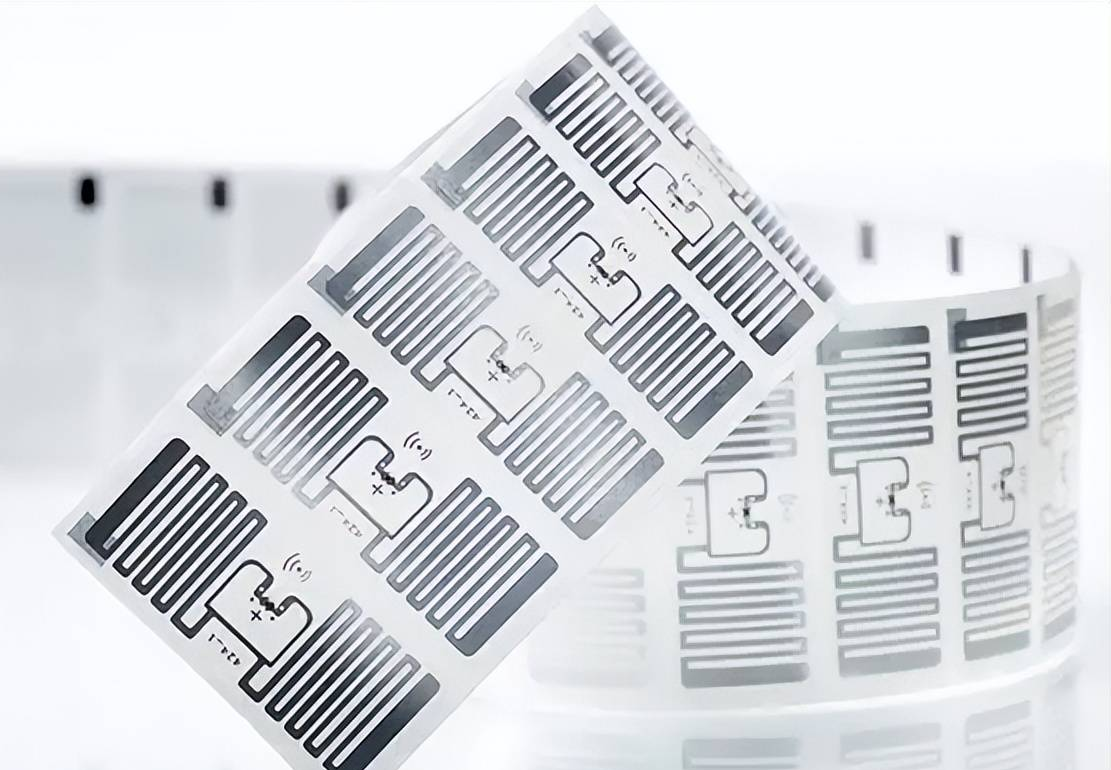
လေဘယ်အများအားဖြင့် အသုံးပြုသည့် ပစ္စည်းကို မျက်နှာပြင်နှင့် မျက်နှာပြင်၏ ဓာတုဖွဲ့စည်းပုံနှင့် ကိုက်ညီအောင် ရွေးချယ်ခြင်း
ကပ်စွဲမှု သိပ္ပံပညာ- ဘာကြောင့် ကတ်ဘုတ်၊ ပလပ်စတစ်၊ သံနှင့် ဝက်စ်ပုံစံ ပုံးများအတွက် ကပ်စွဲမှုများကို အများအားဖြင့် ကွဲပြားသည့် ကပ်စွဲပစ္စည်းများ လိုအပ်သနည်း
ကော်တွေ ဘယ်လောက်ထိ ကောင်းမွန်စွာ အလုပ်လုပ်သလဲ ဆိုရင် အဓိက အကြောင်းရင်း နှစ်ခုက မျက်နှာပြင် စွမ်းအင်အဆင့်နဲ့ ပစ္စည်းတွေရဲ့ တကယ့် ဓာတုဖွဲ့စည်းမှုပါ။ ကတ်ထူဟာ စိန်ခေါ်မှုတစ်ခု ဖြစ်စေတာက ၎င်းရဲ့ မျက်နှာပြင်ဟာ အပေါက်ပေါက်နဲ့ စင်တီမီတာတစ်ခုမှာ ဒိုင်နို ၄၂ လောက်ရှိတဲ့ စွမ်းအင်မြင့်မားလို့ပါ။ ဆိုလိုတာက ပစ္စည်းထဲက အပေါက်လေးတွေထဲကို တကယ်ကို စိမ့်ဝင်နိုင်တဲ့ ခိုင်မာပြီး မြန်ဆန်တဲ့ ကော်တွေလိုတာပါ။ နောက်တစ်ဖက်မှာ polypropylene နဲ့ HDPE လို ပလပ်စတစ်တွေဟာ အပ်ကပ်ပစ္စည်းအများစုနဲ့ မကောင်းမွန်ဘူး၊ အကြောင်းက အပ်ကပ်ပစ္စည်းတွေက အဝတ်စိုခံတာကို ခုခံလို့ပါ။ HDPE ဟာ တကယ့်ကို မိတ်ကပ်ခင် အနည်းဆုံး ဒိုင်နိုက် ၃၈ ကို တိုင်းတာတဲ့ မျက်နှာပြင်တွေ လိုအပ်တာကြောင့် ဒီရှုပ်ထွေးတဲ့ ပစ္စည်းတွေအတွက် အထူး acrylic ပုံသေနည်းတွေ တီထွင်ထားပါတယ်။ သတ္တုမျက်နှာပြင်များအတွက် အရည်ပျော်ဆေးအခြေခံ သို့မဟုတ် ကြမ်းတမ်းမှုမြင့်သော acrylic ကော်တွေဟာ oxidation ပြဿနာများအတွက် အကောင်းဆုံး လုပ်ဆောင်တတ်ပါတယ်။ ဖယောင်းရည်ဖြင့် ဖုံးအုပ်ထားသော ပစ္စည်းများတွင် အခြားသော ပဟေဠိတစ်ခုလုံး ပါဝင်ပြီး အရှိန်အဟုန် ကွဲပြားမှုများကို အားကိုးခြင်းအစား ဟိုက်ဒရိုကာဗွန်များနှင့် ကိုက်ညီသော မဝင်ရိုးဖြစ်သော ပုံစံများ လိုအပ်သည်။ Pressure Sensitive Tape Council က မနှစ်က ထုတ်ပြန်ခဲ့တဲ့ မကြာသေးခင်က စက်မှုဒေတာအရ၊ တံဆိပ် ပျက်စီးမှု သုံးပုံနှစ်ပုံဟာ လူတွေဟာ သူတို့ အခံအတွက် အပ်သုတ်ပစ္စည်း မှားယွင်းတာကြောင့် ဖြစ်ပေါ်တာပါ။ ဒါက ဓာတုပစ္စည်းတွေကို မှန်ကန်စွာ လိုက်ဖက်အောင်လုပ်ခြင်းဟာ ဘယ်လောက်အရေးကြီးတယ်ဆိုတာကို ပြသပါတယ်။ ကော်တွေကို ရွေးတဲ့အခါ အဓိက အချက် သုံးချက်က အရေးပါဆုံးပါ။ မျက်နှာပြင် စွမ်းအင်က ဘယ်လိုမျိုးလဲ (ကော်က သင့်တော်စွာ ဖြန့်ဝေမှုအပေါ် သက်ရောက်မှုရှိ) အချိန်ကြာလာတာနဲ့ ဓာတုပစ္စည်းတွေ မပျက်စီးအောင် သေချာအောင်လုပ်ခြင်းနဲ့ မျက်နှာပြင်တွေကြားက ရုပ်ပိုင်း ဆက်သွယ်မှုတွေကို နက်ရှိုင်းတဲ့ အသားအရောင်တွေက ဘယ်လို သက်ရောက်
ကိစ္စအကြောင်း လေ့လာမှု- စိုထုံးသော စူးစမ်းရောင်ခြည်ဖြင့် စုပ်ယူထားသော HDPE ခွက်များပေါ်တွင် ပုံနှိပ်ထားသော အမှတ်အသားများ ပျက်စီးမှု ဆန်းစစ်ခြင်း
အဖျော်ရည်ဖြန့်ဖြူးရေးလုပ်ငန်းတစ်ခုသည် စိုထုံးမှုမြင့်မားသော သိုလှောင်ရေးနေရာ (စိုထုံးမှု ၈၅% RH) တွင် သုံးလအတွင်း အမှတ်အသားများ ၄၀% ခန့် ကွဲထွက်သွားကြောင်း စောင်းကြည့်မှုဖြင့် တွေ့ရှိခဲ့သည်။ အထောက်အထားအခြေပြု ဆန်းစစ်မှုများအရ အဓိက အကြောင်းရင်း သုံးရပ်ကို ဖော်ထုတ်နိုင်ခဲ့သည်-
- စံနှုန်းအတိုင်း အက်ကရီလစ် ကပ်စပ်မှုပစ္စည်းများသည် ပတ်ဝန်းကျင်ရှိ စိုထုံးမှုကို စုပ်ယူလေ့ရှိပြီး ကပ်စပ်မှုအားကို ASTM D903 စံနှုန်းအရ ၅၈% အထ do လျော့ကျစေခဲ့သည်။
- HDPE ၏ အလွန်ချောမွေ့သော မျက်နှာပြင် (Ra ≈ ၀.၅ μm) သည် ယန္တရားအားဖြင့် ကပ်စပ်မှုကို အားကောင်းစေရန် အနည်းငယ်သာ အထောက်အကူပေးနိုင်ခဲ့သည်။
- စိုထုံးမှုကြောင့် ရေမှုန်များ ထပ်ခါထပ်ခါ ဖွဲ့စည်းလာခြင်းသည် ကပ်စပ်မှုနေရာတွင် ရေဖိအားကို ဖြစ်ပေါ်စေပြီး အမှတ်အသားများ၏ အစွန်းများ ကွဲထွက်လာမှုကို မြန်ဆန်စေခဲ့သည်။
ဖြေရှင်းနည်းအဖြစ် စိုထုံးမှုကို ခံနိုင်ရည်ရှိသော ကွန်ကရစ်ပုံစံ ရောင်စုံကြေးနီအခြေပြု ကပ်စပ်မှုပစ္စည်းများသို့ ပြောင်းလဲအသုံးပြုခဲ့ပြီး စိုစွတ်သော ပတ်ဝန်းကျင်များတွင် စွမ်းအားနည်းသော နှင့် ချောမွေ့သော မျက်နှာပြင်များအတွက် အထူးဖော်စပ်ထားသည်။ အသုံးပြုပြီးနောက် အမှတ်အသားများ ကွဲထွက်မှုသည် ၇% သို့ ကျဆင်းသွားပြီး အမှတ်အသားများ ပြန်လည်ကပ်စပ်ရေး အလုပ်သမားစရိတ်များသည် ၁၂ လအတွင်း ၂၂% လျော့ကျသွားခဲ့သည်။ ဤရလဒ်များသည် လုပ်ငန်းဆောင်ရွက်မှု ခံနိုင်ရည်ရှိမှုအတွက် အရေးကြီးသည်မျှသာ မဟုတ်ဘဲ အထူးသဖြင့် အခြေခံပစ္စည်းအလိုက် ကပ်စပ်မှုပစ္စည်းများ၏ ဖွဲ့စည်းပုံကို ရှာဖွေရေးသည် အရေးကြီးကြောင်း အတည်ပြုပေးခဲ့သည်။
ပတ်ဝန်းကျင်နှင့် လုပ်ငန်းဆောင်ရွက်မှု ဖိအားများအရ အမှတ်အသားများကို ရွေးချယ်ပါ
အပူခါး၊ UV၊ စိုထိုင်းမှုနှင့် အေးခဲခြင်း-အရည်အသွေးကျဆင်းမှုကို လက်တွေ့ဘဝအခြေအနေများတွင် တိကျစွာ တွက်ချက်ခြင်း
ပတ်ဝန်းကျင်ဆိုင်ရာ ဖိအားများသည် လေဘယ်များအေါ်တွင် အချိန်ကြာလေလေ ပိုမိုပျက်စီးစေပါသည်။ ထိုသို့သော ဖိအားများသည် တစ်မျှင်သာမက အများစုမှ ဖြစ်ပေါ်လာပါသည်။ အပူချိန်သည် ရေခဲမှုန်းအေါ်တွင် ကျဆင်းသောအခါ ပုံမှန်ကပ်စ်များသည် ခြောက်သွေ့ပြီး ကွဲအက်လွယ်သည့် အခြေအနေသို့ ရောက်ရှိပါသည်။ သို့သော် အပူချိန်သည် စင်တီဂရိတ် ၅၀ ဒီဂရီထက် မြင့်တက်လာသောအခါ ထိုကပ်စ်များသည် အရည်ပျော်ပြီး မျက်နှာပုံပေါ်တွင် ပျံ့နှံ့သွားပါသည်။ နေရောင်ခြည်သည် လေဘယ်များအတွက် အခြားသော အဓိကပြဿနာဖြစ်ပါသည်။ UV ရောင်ခြည်များသည် ပုံနှိပ်ထားသော စာသောင်းများကို ဖောက်ထွင်းပြီး ကပ်စ်အလွှာရှိ ပေါ်လီမာများကို ပျက်စီးစေသည့် ဓာတုဖောက်ပွင့်မှုများကို စတင်ပေးပါသည်။ ASTM G154 စမ်းသပ်မှုအခြေအနေများအေါ်တွင် အပြင်ဘက်တွင် အသုံးပြုသော ဗိုင်နေးလ် လေဘယ်များသည် ၅၀၀ နာရီအကြာတွင် ကပ်စ်အား ၃၀ မှ ၄၀ ရှိသည့် ရှုံးနှုန်းဖြင့် သိသိသာသာ အားနည်းလာကြောင်း တွေ့ရှိခဲ့ပါသည်။ ရေစိုဝင်မှုသည် အခြားသော ပြဿနာများကို ဖောက်ထွင်းပေးပါသည်။ စိုထောင်မှုသည် ကပ်စ်အတွင်းသို့ ဝင်ရောက်ပြီး ဓာတုဖောက်ပွင့်မှုဖြင့် ကပ်စ်ကို ပျက်စီးစေပါသည် (ထိုသို့သော ဖောက်ပွင့်မှုကို ရေဓာတုဖောက်ပွင့်မှုဟု ခေါ်ပါသည်)။ ထို့အပြင် စိုထောင်မှုသည် ၆၀% ထက် မြင့်မှုအထိ ရှိနေပါက မှိုများ စတင်ပေါ်ပေါက်လာပါသည်။ ထို့အပြင် ရေခဲခြင်းနှင့် အရည်ပျော်ခြင်း စက်ဝန်းများကြောင့် လေဘယ်များသည် အမျှင်များအတွင်း အဆက်မပြတ် ချဲ့ထွင်ခြင်းနှင့် ကျဉ်းသွားခြင်းများကို ဖောက်ထွင်းပေးပါသည်။ ထိုသို့သော အခြေအနေများသည် လေဘယ်များကို ကပ်စ်ထားသည့် မည်သည့်မျက်နှာပုံမျှ မှုန်းမှုဖောက်ထွင်းပေးပါသည်။ စစ်တပ်စံနှုန်းများအရ စမ်းသပ်မှုများတွင် ပေါ်လီပရောပီလီန် လေဘယ်များသည် ရေခဲခြင်းနှင့် အရည်ပျော်ခြင်း စက်ဝန်း ၂၀၀ ကျော်အကြာတွင် ကပ်စ်အား နှစ်ထောက်ခြောက်သုံးသော အားနည်းမှုကို တွေ့ရှိခဲ့ပါသည်။ ထိုသို့သော အချက်များသည် ပတ်ဝန်းကျင်ဆိုင်ရာ အခြေအနေများ အများအပြားကို တစ်ပါတည်း ကိုင်တွယ်ရှိသည့်အခါ သင့်လျော်သော ပစ္စည်းများကို ရွေးချယ်ရေးသည် အလွန်အရေးကြီးကြောင်း ရှင်းပေးပါသည်။ ဥပမါအနေဖြင့် ပင်လ်ယ်ရေပေါ်တွင် အသုံးပြုသည့် လေဘယ်များကို စဉ်းစားပါ။ သင်္ဘောများပေါ်တွင် အသုံးပြုသည့် လေဘယ်များသည် နေရောင်ခြည်၊ ပိုက်ဆံရေ အစွန်းဖောက်ပွင့်မှုနှင့် အပူချိန်ပြောင်းလဲမှုများကို တစ်ပါတည်း ခံနိုင်ရည်ရှိရပါမည်။ ထိုသို့သော ပေါင်းစပ်ထားသည့် ဖိအားများသည် တစ်မျှင်သာမက အခြားသော အခြေအနေများထက် ပိုမိုမြန်မြန် ပျက်စီးမှုများကို ဖောက်ထွင်းပေးပါသည်။
ခေါင်းလေးသော အအေးခန်း၊ ပင်လယ်ရေကြောင်းနှင့် ဖောက်ပြန်မှု အထောက်အထားရှိသော အသုံးပုံအတွက် စိတ်ကူးယဉ်မှုများ- အသုံးပုံအလိုက် လေဘယ် အဆောက်အဦးများကို မည်သို့ ဖန်တီးရမည်နည်း
လေဘယ် အဆောက်အဦးများသည် အသုံးပုံအလိုက် အထူးသဖြင့် ခံနိုင်ရည်ရှိရန် ရည်ရွယ်ချက်အလိုက် တည်ဆောက်ရမည်- မဟုတ်ပါက အသုံးပုံအလိုက် အထူးခံနိုင်ရည်ရှိသော အခြေအနေများကို မခံနိုင်နိုင်ပါ။
- အအေးခန်းအတွက် သင့်လျော်သော လေဘယ်များ ကရိုဂျီနစ် ကပ်စ် (cryogenic adhesives) များကို -40°C အထိ အသုံးပြုနိုင်ရန် အဆင့်သတ်မှတ်ထားပြီး မျက်နှာပုံစံအိုင်တမ်များ (face stocks) အဖြစ် အထူးသဖြင့် ပေါလီအီစတာ သို့မဟုတ် အထူးစက္ကူများကို အသုံးပြုပါသည်။ ဤမျက်နှာပုံစံများသည် ရေစီးမှုကြောင့် ဖောငေးလာခြင်းနှင့် အမျှင်များ ပျက်စီးခြင်းကို ကာကွယ်ပေးနိုင်ပါသည်။
- ပင်လယ်ရေကြောင်းအတွက် လေဘယ်များ uV တည်ငြိမ်သော ဗိုင်းနိုင်လ် (vinyl) များကို ဓာတုပစ္စည်းများကို ခံနိုင်ရည်ရှိသော အပေါ်ယံအလွှာများဖြင့် အသုံးပြုပါသည်။ ဤလေဘယ်များသည် ဆားဖောက်စုံမှု၊ အမြဲတမ်း ရေထဲတွင် နေခြင်းနှင့် UV အလင်းရောင်ကို ခံနိုင်ရည်ရှိရန် ဒီဇိုင်းထုတ်ထားပါသည်။ လေဘယ်များ၏ ထူမှုနှင့် ပလပ်စတီကိုင်ဇာ ထိန်းသိမ်းမှုကို ပုံစံအလွှာများ၏ ပေါ့ပါးမှုထက် အရေးကြီးသည်ဟု သတ်မှတ်ထားပါသည်။
- ဖောက်ပြန်မှု အထောက်အထားရှိသော ဖြေရှင်းနည်းများ ဖောက်ပြန်မှု အထောက်အထားရှိသော မျက်နှာပုံစံများ (ဥပမါ- အထူးသဖြင့် အလင်းရောင်ဖြင့် မျက်နှာပုံစံများ ပေါ်လေးသော အထူးစက္ကူများ) ကို အမျှင်များ ပျက်စီးသော အထူးကပ်စ်များနှင့် တွဲဖက်အသုံးပြုပါသည်။ ဤကပ်စ်များသည် ဖယ်ရှားရာတွင် အမျှင်များ ပျက်စီးသော အမျှင်များ ဖောက်ပြန်မှု အထောက်အထားများကို ဖန်တီးရန် ဒီဇိုင်းထုတ်ထားပါသည်။ အလွှာများကို သန့်စင်စွာ ဖယ်ရှားနိုင်ခြင်းများကို မျှော်လင်းထားခြင်းများ မဟုတ်ပါ။
လက်တွေ့ လုပ်ငန်းခွင်က ဒီဆုံးဖြတ်ချက်တွေကိုလည်း ပုံသွင်းပေးပါတယ်။ ဆေးဝါးအအေးကွင်းဆက် တံဆိပ်တပ်ဖို့ ကုမ္ပဏီတွေဟာ အအေးခံ အခြေအနေမှာ အလုပ်လုပ်တဲ့ ပစ္စည်းတွေ လိုအပ်တယ်။ ဆိုလိုတာက အပူချိန်နိမ့်ချိန်မှာ စွဲမြဲတဲ့ ကော်တွေကို အပူချိန် ပြောင်းလဲတဲ့အခါ မပျော်တဲ့ ပုံနှိပ်မှု ကော်တွေနဲ့ ပေါင်းစပ်တာပါ။ တံဆိပ်တွေဟာ ပို့ဆောင်မှုနဲ့ သိုလှောင်မှုအတွင်း အပူချိန်အပြောင်းအလဲ အမျိုးမျိုး ကြုံရပေမဲ့ သူတို့ရဲ့ ဘားကုဒ်တွေကို ဖတ်လို့ ရအောင် ထိန်းထားရမှာပါ။ ဒီဇိုင်း အသေးစိတ်တွေဆိုတဲ့အခါ အမြဲတမ်း အပေးအယူတွေ ပါဝင်ပါတယ်။ အမှားအယွင်းမရှိတဲ့ လက္ခဏာတွေက အပ်လိုက်တာနဲ့ အပ်လိုက်တာ မပြောင်းနိုင်ဘူးလို့ ဆိုလိုတာပါ။ ပင်လယ်ရေကြောင်း အဆင့် ပစ္စည်းတွေဟာ ခက်ခဲတဲ့ ပတ်ဝန်းကျင်မှာ ပိုကြာကြာခံနိုင်ပေမဲ့ အလေးချိန်နဲ့ ကုန်ကျစရိတ်ကိုလည်း တိုးစေပါတယ်။ အအေးခန်းတွေမှာ ကောင်းမွန်စွာ လုပ်ဆောင်တဲ့ တံဆိပ်တွေဟာ မကြာခဏတော့ လိမ်းတဲ့အခါ ချက်ချင်း ဘယ်လိုကပ်နေတယ်ဆိုတာထက် ရေရှည် တည်ငြိမ်မှုကို ဦးစားပေးတဲ့ အထူးပြုပြင်မှု လိုအပ်ပါတယ်။
ပုံနှိပ်နည်းပညာနှင့် လိုက်ဖက်မှုနှင့် လုပ်ဆောင်ချက်ဖတ်နိုင်မှု အာမခံခြင်း
အပူ၊ လေဆာနှင့် inkjet ပုံနှိပ်ခြင်း: ပုံနှိပ်နည်းလမ်းပုံစံများ
အသုံးပြုတဲ့ ပုံနှိပ်နည်းပညာ အမျိုးအစားက တံဆိပ်တွေအတွက် တင်းကျပ်တဲ့ လိုအပ်ချက်တွေကို ချမှတ်ပေးပါတယ်။ မျက်နှာပြင်အိတ်ပစ္စည်း၊ အပေါ်ယံအိတ်ပုံစံများနှင့် အပူကို ဘယ်လိုကောင်းကောင်းခံနိုင်သည်ဆိုသည်တို့သည် ပုံနှိပ်မှု၏ ကောင်းမွန်မှု၊ တည်တံ့မှုနှင့် ကောင်းမွန်စွာ အလုပ်လုပ်မှုအပေါ် သက်ရောက်မှုရှိသည်။ အပူပိုင်း တိုက်ရိုက် တံဆိပ်တွေမှာ အပူချိန်မှန်ကန်တဲ့အခါ ကန့်သတ်မှုကို မြန်မြန် ဖန်တီးပေးတဲ့ အထူးအလွှာတွေ လိုအပ်ပါတယ်။ အပူလွှဲပြောင်းရေး တံဆိပ်တွေဟာ ကြေးနန်းပစ္စည်းကို ထိရောက်စွာ လက်ခံတဲ့ အလှဆင်တွေနဲ့ အကောင်းဆုံး အလုပ်လုပ်ပါတယ်။ လေဆာ ပုံနှိပ်မှုမှာ မျက်နှာပြင် အချို့ဟာ အရေးပါပါတယ်၊ ပိုလီအက်စတာ (သို့) နှစ်ဖက်လိုက် ဦးတည်တဲ့ ပိုလီပရိုပလိုင်းနစ်ကို တွေးပါ၊ အကြောင်းက ဒီပစ္စည်းတွေဟာ အပူချိန်ပြင်းထန်တဲ့ ဒီဂရီ ဆဲလ်စီယပ် ၂၀၀ လောက်မှာ အမှောင်မသွားပဲ အရည်ပျော်မသွားပဲ ရှင်ကျန် Inkjet တံဆိပ်တွေဟာ မျက်နှာပြင်တစ်ခုလုံးမှာ ရေအခြေခံ ဒါမှမဟုတ် အရည်ပျော်ဆေးအခြေခံ မင်တွေကို တန်းတူ စုပ်ယူနိုင်တဲ့ အထူးဒီဇိုင်းထုတ်ထားတဲ့ အကာအကွယ်တွေပေါ် မူတည်ပါတယ်။ အသားအရေကို အသားတင်ပေးခြင်း ဘားကုဒ်တွေကို မှန်ကန်စွာ ဖတ်နိုင်ဖို့ စာသားနဲ့ နောက်ခံကြားက အမြင်ပိုင်း ကွာခြားချက်အပေါ် အများကြီး မူတည်ပါတယ်။ မက်ထရစ် မျက်နှာပြင်တွေဟာ တောက်ပတဲ့ မျက်နှာပြင်တွေနဲ့စာရင် စကင်နာရဲ့ အလင်းရောင်ကို ၄၀ ရာခိုင်နှုန်းလောက် လျှော့ချပေးပြီး အလင်းရောင် အခြေအနေ အမျိုးမျိုးမှာ ဒီကုတ်ကို ပိုကောင်းအောင် လုပ်ပေးပါတယ်။ [စာမျက်နှာ ၂၇ ပါ ရုပ်ပုံ] အနည်းဆုံးနဲ့ အများဆုံး ထိတွေ့မှု အချိန်၊ ပေါင်းစပ်မှု အပူချိန်နဲ့ မင်ကို ဘယ်လောက် မြန်မြန် စုပ်ယူနိုင်လဲ ဆိုတာတွေကို ဂရုစိုက်ပါ။ ဒါက ချိတ်ကပ်မှု အားနည်းမှု၊ မကပ်တဲ့ မင်၊ ဒါမှမဟုတ် လိမ်းပြီး မကြာခင်မှာ ဝင်းလာတာမျိုး ပြဿနာတွေကို ရှောင်ရှားဖို့ ကူညီပေးပါတယ်။
စည်းမျဉ်းစည်းကမ်းများနှင့် ကိုက်ညီမှု၊ ကုန်ကျစရိတ်ထိရောက်မှုနှင့် အရည်အသွေးမြင့်မားသော တံဆိပ်များ ဝယ်ယူမှုတို့ကို ဟန်ချက်ညီစေခြင်း
GHSP၊ FDA၊ GHS နှင့် အာဟာရမှတ်ပုံတင်ခြင်း - လိုက်နာမှုသည် အလှအပအကြိုက်ထက် ပို၍ အရေးပါသည်
GHS (ကမ္ဘာလုံးဆိုင်ရာ ညှိနှိုင်းထားသော စနစ်) ၊ FDA အစားအစာအမှတ်တံဆိပ်၊ GHSP နှင့် ကိုက်ညီသော အန္တရာယ်ဆက်သွယ်ရေးနှင့် အတင်းအကျပ် အာဟာရဆိုင်ရာ panel များအပါအဝင် စည်းမျဉ်းစည်းကမ်းများက တိကျသော အကြောင်းအရာနေရာ၊ စာလုံးအရွယ်အစား၊ သင်္ကေတ မလိုက်နာမှုကြောင့် ပြန်ခေါ်ဆိုမှုတွေဟာ ပျမ်းမျှအားဖြင့် ဒေါ်လာ ၇၄၀,၀၀၀ (Ponemon Institute, 2023) ဖြစ်ပြီး ပြန်လည်ဒီဇိုင်းထုတ်လုပ်မှု ကုန်ကျစရိတ်ကို ကျော်လွန်သွားပါတယ်။ ဥပမာတွေ ရှင်းပါတယ်။
- ဆေးဝါးအမှတ်တံဆိပ်များတွင် ဆေးပမာဏရှင်းလင်းမှုနှင့် သတိပေးချက်အဆင့်အတန်းကို အနည်းဆုံးတံဆိပ်တင်ခြင်းထက် ဦးစားပေးထားသည်။
- ဓာတုပစ္စည်းများအတွက် သယ်ဆောင်လာသော အိုးများတွင် GHS စံသတ်မှတ်ထားသော ဓာတ်ပုံများပါရှိရမည်- ၎င်းတို့က အမြင်ဆက်သွယ်မှုကို ထိခိုက်စေသော်လည်းပင်-
- အာဟာရအချက်အလက်များဆိုင်ရာ ဘောင်များတွင် တိကျသော ဖော်မိတ်ရေးသားမှု လိုအပ်သည် (ဥပမာ- ၈-ပိုက် အနည်းဆုံး စာလုံးအနက်၊ အရှည်အကွာအဝေးရှိသော တိုင်များ) ၊ ပုံးအလျားအလျား သို့မဟုတ် နေရာကန့်သတ်ချက်များနှင့် မဆိုင်ပါ။
အမှန်တကယ့် စရိတ်ခွဲခြမ်းစိတ်ဖြာမှု အကျိုးကျေးနပ်မှုများသည် ကုမ္ပဏီများသည် စုံစမ်းစစ်ဆေးမှုများကို အလွန်အမင်း လျှော့ချခြင်းထက် ပိုမိုထိရောက်သော စနစ်တက် ပေါင်းစပ်မှုကို အလေးပေးခြင်းတွင် ရရှိပါသည်။ ဥပမါအားဖဲ့သော်— ကမ္ဘာလုံးဆိုင်ရာ ဗဟိုချုပ်စိမ်းသော ပုံစံစာရင်းများကို ဖန်တီးခြင်းဖြင့် ဈေးကွက်အားလုံးကို စည်းမျဉ်းများနှင့် ကိုက်ညီစေရန် အထောက်အကူပေးပါသည်။ အလိုအလျောက် စည်းမျဉ်းနှင့် ကိုက်ညီမှု စစ်ဆေးမှုများကို အသုံးပြုခြင်းဖြင့် လက်ဖှဲ့စစ်ဆေးမှုများကို သိသိသာသာ လျှော့ချနိုင်ပါသည်။ တစ်ခါတစ်ရံတွင် ယင်းလက်ဖှဲ့စစ်ဆေးမှုများကို သုံးပုံနှစ်ပုံအထိ လျှော့ချနိုင်ပါသည်။ ကုမ္ပဏီများသည် မတူညီသော ထုတ်ကုန်များတွင် မျက်နှာပြင်အုပ်နှုပ်များ (face stocks) နှင့် ကပ်စေးများ (adhesives) ကဲ့သို့သော စံချိန်စံညွှန်းအတိုင်း သတ်မှတ်ထားသော ပစ္စည်းများကို အများအားဖြင့် ဝယ်ယူခြင်းဖြင့် ထုတ်လုပ်မှုနှုန်းများ ပိုမိုကောင်းမွန်လာပါသည်။ ထို့အတူ စတော့စီမံခန့်ခွဲမှုလည်း ပိုမိုလွယ်ကူလာပါသည်။ စကေးလေးမှု (scalability) အတွက် အခြေခံအုတ်မူသည် အားလုံးကို အဆင်သင့် တည်ဆောက်ပြီးနောက်တွင် မဟုတ်ဘဲ ဒီဇိုင်းအဆင့်တွင် စတင်ပါသည်။ ကုမ္ပဏီများသည် လေဘယ်များ ဖန်တီးရာတွင် စည်းမျဉ်းနှင့် ကိုက်ညီမှု လိုအပ်ချက်များကို တိုက်ရိုက် ပေါင်းစပ်ထည့်သွင်းခြင်းဖြင့် နောက်ပိုင်းအဆင့်များတွင် အလုပ်များကို ပြန်လည်လုပ်ဆောင်ရန် လိုအပ်မှုကို ရှောင်ရှားနိုင်ပါသည်။ ဤချဉ်းကပ်မှုသည် ထုတ်ကုန်များ ဈေးကွက်သို့ ပိုမိုမြန်မြန်ရောက်ရှိရန် အထောက်အကူပေးပါသည်။ ထို့အတူ ရောင်းချရန် အတည်ပြုခြင်းကို ရှေးရှေးအရင် အောင်မြင်စေရန် အထောက်အကူပေးပါသည်။ ထို့အတူ ထုတ်ကုန်၏ အလှအပ အမျှင်အတွက် စိုးရိမ်မှုကို နောက်ကျစေပါသည်။
မေးလေ့ရှိသောမေးခွန်းများ
ဘာကြောင့် ပစ္စည်းအမျိုးမျိုးကို ကပ်စေးအမျိုးမျိုးဖြင့် ကပ်ရသနည်း။
ပစ္စည်းအမျိုးမျိုးတွင် မတူညီသော မျက်နှာပြင်စွမ်းအားနှင့် ဓာတုဖွဲ့စည်းမှုများ ရှိပါသည်။ ထိုအချက်များသည် ကပ်စေးများ ပစ္စည်းများနှင့် အပ်နှက်ဆက်သွယ်မှုကို သက်ရောက်စေပါသည်။ ဥပမါ- စက္ကူပုံစံသော ပစ္စည်းများသည် အပေါက်များရှိပါသည်။ ထို့ကြောင့် အားကောင်းပြီး အများအားဖြင့် အများဆုံးအမြန်လုပ်ဆောင်နိုင်သော ကပ်စေးများကို အသုံးပြုရန် လိုအပ်ပါသည်။ အထူးသဖြင့် HDPE ကဲ့သို့သော ပလပ်စတစ်များသည် စိုစွတ်မှုကို ခံနိုင်ရည်မရှိသောကြောင့် အထူးပြုထုတ်လုပ်ထားသော ကပ်စေးများကို အသုံးပြုရန် လိုအပ်ပါသည်။
စိုထောင်သော စက်ရုံများတွင် HDPE ပုလင်းများပေါ်တွင် အမည်စာတန်းများ ကပ်မှုမှုန်းခြင်း ပြဿနာအတွက် ဖြေရှင်းနည်းမှာ အဘယ်နည်း။
အမည်စာတန်းများ ကပ်မှုမှုန်းခြင်း ပြဿနာကို ဖြေရှင်းရန်အတွက် စိုစွတ်သော ပတ်ဝန်းကျင်များတွင် စွမ်းအားနည်းပြီး မျော့ပေါ့သော မျက်နှာပြင်များအတွက် အထူးပြုထုတ်လုပ်ထားသော ကပ်စေးများ (Rubber-based adhesives) ကို အသုံးပြုခဲ့ပါသည်။ ထိုကပ်စေးများကို အဆင့်မြင့် ချိတ်ဆက်မှုဖွဲ့စည်းမှု (cross-linked) ဖြင့် ထုတ်လုပ်ထားပါသည်။ ထို့ကြောင့် အမည်စာတန်းများ ကပ်မှုမှုန်းခြင်းနှုန်းများ သိသိသာသာ လျော့ကျသွားပါသည်။
ပတ်ဝန်းကျင်ဆိုင်ရာ အချက်များသည် အမည်စာတန်းများကို မည်သို့ သက်ရောက်စေပါသနည်း။
အပူချိန်ပြောင်းလဲမှုများ၊ UV အလင်းရောင်များ၊ စိုထောင်မှုများနှင့် အအေးခံပြီး အပူပေးခြင်း စုံတွဲများ (freeze-thaw cycles) ကဲ့သို့သော ပတ်ဝန်းကျင်ဆိုင်ရာ အချက်များသည် အမည်စာတန်းများကို အချိန်ကြာလာသောအခါ ပျက်စီးစေပါသည်။ ထိုအချက်များကြောင့် အမည်စာတန်းများသည် ကြမ်းတမ်းလာခြင်း၊ အရည်ပျော်ခြင်း၊ အရောင်မှုန်ဝါခြင်း သို့မဟုတ် မျက်နှာပြင်များမှ လွဲချော်ကုန်ခြင်းတို့ ဖြစ်ပေါ်လာနိုင်ပါသည်။
အမည်စာတန်းများတွင် စည်းမျဉ်းစည်းကမ်းများနှင့် ကိုက်ညီမှုရှိခြင်းသည် အဘယ့်ကြောင့် အရေးကြီးပါသနည်း။
စည်းမျဉ်းစည်းကမ်းနှင့် ကိုက်ညီမှုသည် လေဘယ်များသည် လုပုပ်ငန်းအတွက် စံနှုန်းများနှင့် ကိုက်ညီကြောင်း၊ စရိတ်ကုန်ကျမှုများစွာ ဖြစ်စေနိုင်သော ပြန်လည်ခေါ်ယူမှုများကို ရှောင်ရှားနိုင်ကြောင်းနှင့် လုံခြုံရေးအတွက်လည်းကောင်း၊ ဥပဒေရေးရေးရာအတွက်လည်းကောင်း အရေးကြီးသော အချက်အလက်များကို ထိန်းသိမ်းပေးနိုင်ကြောင်း အာမခံပေးပါသည်။
အကြောင်းအရာများ
-
လေဘယ်အများအားဖြင့် အသုံးပြုသည့် ပစ္စည်းကို မျက်နှာပြင်နှင့် မျက်နှာပြင်၏ ဓာတုဖွဲ့စည်းပုံနှင့် ကိုက်ညီအောင် ရွေးချယ်ခြင်း
- ကပ်စွဲမှု သိပ္ပံပညာ- ဘာကြောင့် ကတ်ဘုတ်၊ ပလပ်စတစ်၊ သံနှင့် ဝက်စ်ပုံစံ ပုံးများအတွက် ကပ်စွဲမှုများကို အများအားဖြင့် ကွဲပြားသည့် ကပ်စွဲပစ္စည်းများ လိုအပ်သနည်း
- ကိစ္စအကြောင်း လေ့လာမှု- စိုထုံးသော စူးစမ်းရောင်ခြည်ဖြင့် စုပ်ယူထားသော HDPE ခွက်များပေါ်တွင် ပုံနှိပ်ထားသော အမှတ်အသားများ ပျက်စီးမှု ဆန်းစစ်ခြင်း
- ပတ်ဝန်းကျင်နှင့် လုပ်ငန်းဆောင်ရွက်မှု ဖိအားများအရ အမှတ်အသားများကို ရွေးချယ်ပါ
- ပုံနှိပ်နည်းပညာနှင့် လိုက်ဖက်မှုနှင့် လုပ်ဆောင်ချက်ဖတ်နိုင်မှု အာမခံခြင်း
- စည်းမျဉ်းစည်းကမ်းများနှင့် ကိုက်ညီမှု၊ ကုန်ကျစရိတ်ထိရောက်မှုနှင့် အရည်အသွေးမြင့်မားသော တံဆိပ်များ ဝယ်ယူမှုတို့ကို ဟန်ချက်ညီစေခြင်း
-
မေးလေ့ရှိသောမေးခွန်းများ
- ဘာကြောင့် ပစ္စည်းအမျိုးမျိုးကို ကပ်စေးအမျိုးမျိုးဖြင့် ကပ်ရသနည်း။
- စိုထောင်သော စက်ရုံများတွင် HDPE ပုလင်းများပေါ်တွင် အမည်စာတန်းများ ကပ်မှုမှုန်းခြင်း ပြဿနာအတွက် ဖြေရှင်းနည်းမှာ အဘယ်နည်း။
- ပတ်ဝန်းကျင်ဆိုင်ရာ အချက်များသည် အမည်စာတန်းများကို မည်သို့ သက်ရောက်စေပါသနည်း။
- အမည်စာတန်းများတွင် စည်းမျဉ်းစည်းကမ်းများနှင့် ကိုက်ညီမှုရှိခြင်းသည် အဘယ့်ကြောင့် အရေးကြီးပါသနည်း။