
 EN
EN
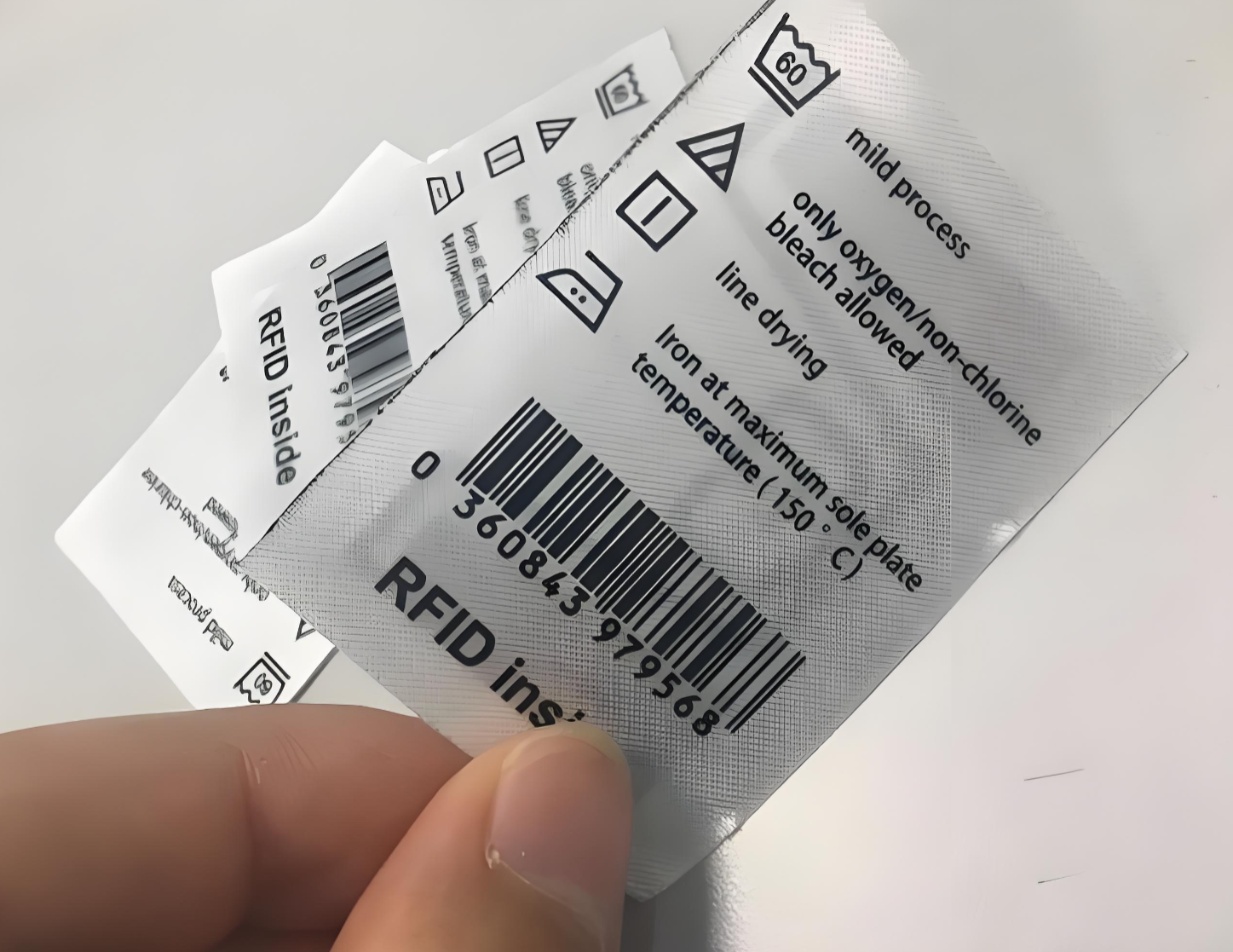
РФИД-ийн үндэс: Түүнийг барааны тооллогын нарийн төвөгтэй бүртгэлд штрих кодоос илүү үр дүнтэй гэж хэлдэг
РФИД-ийн тусламжтайгаар хүртэл хүрэхгүй, нэг дотор олон зүйлсийг бодит цагт сканнерд хийх боломжтой
RFID технологи нь физик хавсаргалт эсвэл шууд харах төлөвийн шаардлагагүйгээр радиодолгион ашиглан зүйлсийг идентифицируулж, хядахад ашигладаг. Хүртэл бүрт микросхем ба антенн бүхий RFID таг бүр уншигчид үндэсний ID-ийг дамжуулж, секунд тутамд зуунаас илүү зүйлсийг нэгэн зэрэг уншиж чадмуйн болгоомжилж. Баркод системүүд нь тус тусад нь гараар уншихыг шаардаж, RFID нь паллетуудын бүх цуглуулга эсвэл савангуудын бүх цуглуулгыг нэгэн зэрэг уншиж чадмуйн, порталын дотроо өнгөрөх үед эсвэл гар дээрх төхөөрөмжөөр хүртэл бүрт уншиж чадмуйн. Энэ хавсаргалтгүй ажиллах горим нь хүлээн авалт, цикл тоолол, сонгож авалтын баталгаажуулалтыг хурдасгаж. Бодит цагт өгөгдөл бүртгэх нь нөөц бүртгэлийг мөчлөн шинэчлэж, нөөцийн түвшний тасралтгүй, нарийн дүрслэл үзүүлмуйн болгоомжилж. RFID тагууд нь савхангуудын дотроо уншиж чадмуйн, мөн тодорхой байрлалын шаардлагагүйгээр хандаж чадмуйн, түүн дагаад хандаж бүртгэх хугацаа ба хөдөлмөрийн зардал хүчтэй буурмуйн. Өндөр хүчинтэй орчинд RFID технологи нь нөөцийн ажиллагааг дараалан гүйцэтгэдэг, алдаа үүсгэдэг процессоос автомата, өндөр хүчинтэй процесст хувиргаж.
Нарийн тодорхой бүртгэлийн зөрүү: Баркод (70–85%) vs. RFID (95–99.2%) амьд агуулах орчинд
Баркод-дүүрэмдүүлсэн нөөц системүүд нь шүүлт, тавилт, хоосон уншилт, хүний алдаа зэрэг шалтгааны улмаас ажиллах үед нөөц доторх нарийвчлалын хувь 70–85% хооронд байдаг. Үнэнд оршой, нөөц доторх зөрчлийн 68% нь хүний өгөгдлүүдийн оруулалтын алдаанаас үүсдэг (Aberdeen Group, 2023). Харин RFID системүүд 95–99,2% нарийвчлалыг хангидаг — олон тохиолдолд төвөнхийн хүртэл 99,9% хүртэл нарийвчлалыг бүтээдэг. RFID тагууд нь орчинд үүсдэг гадаад нөлөөлөлд илүү төвөнхийн, бохирдсон юм, хэсэгчлэн хучигдсан бүрдүүлэлтүүд дээр ч уншилдаг, мөн баркод ашиглалтанд үүсдэг дараалан уншилтад үүсдэг алдаануудаас үл хамаардаг. Энэ нарийвчлалын зөрчил нь хэмжигдэхүйц үйлдвэрлэлд хүртдэг давуу талуудыг үлдээдэг: бүтээгдэхүүний дутагдал багасдаг, хамгаалалтын нөөц шаардлагууд багасдаг, WMS өгөгдлүүд дээр итгэл үлдээдэг, хүртүүлэлтийн хувь сайжардаг, ревизийн үнэлгээ үлдээдэг — RFID системүүд нь нарийвчлал нь сүүлчийн шатын шаардлага бүхий газруудад сонголтын анхны сонголт болой.
Нөөц нарийвчлалыг хамгийн их хүртдэг RFID хэрэгжүүлэлтийн стратегиуд
РФИД-ийн үр дүнтэй хэрэглээ нь зөвхөн техник хангамж суулгахаас илүү — таггингийн ба уншигчдын суурин бүтцэд стратегийн хандлага шаардлагатай.
Олон төрлийн СКУ-ууд ба хүнд материалын (металл, шингэнүүд) хувьд сонгомол таггингийн протоколууд
Олон төрлийн агуулахууд үл хүртүүлэх дүрсүүдтэй тулгардаг: стандарт RFID шошоонууд металлын дээр (РФ энергияг отражениелдэг) ба шингэн бүхий бараануудын дээр (түүнийг шингэндүүрдэг) муу ажилладаг. Хамгаалалт арга хэмжээсүүдгүй, тус материалууд дээрх уншилт нарийнчилал 80%-аас доогуур унах болой (Оуберн Их Сургууль RFID Лаборатори, 2023). Түүнээс сарниулан, объектууд металлын дээрх шошоонуудыг хэрэглэх ёстой — антеннуудыг хайрцагт тавих үед нь цутгамал зөөврүүдтэй, эсвэл детюнингт төвөгтүүсгүй керамик суурьт шошоонууд. Шингэнүүдтэй холбоотойгоор, хуудас хэлбэрт шошоонууд инлейг шингэндсүүрдэг бүснээс хол тавихыг хангаж, сигналын чанарыг сайжруулдаг. Шошоонуудын байршлыг стандартизациялхан — жишээлбэл, бүх хайрцагуудын ижил өнцгүүд дээр шошоонуудыг тавих — орчилт холбоотой алдаануудыг арилгадаг. 2023 онд хийгдсүүн судалгаа нь ийнхүү дисциплинт шошоонуудын ажиллагаа нь холимог SKU-т палетууд дээрх анхны уншилт хувьсүүдийг 68%-аас 98%-аас дээш хүртүүлдэг бөлүүн тодорхойлж, олон төрлийн нөөцүүд дээр тогтмол, өндөр нарийнчилалт уншилт хангаж.
Хүртүүлэх бүснүүдийг арилгахын тулд уншилтуудын стратегийн байршлыг тодорхойлох ба бүснүүдийг калибрлхан
Сайн тагууд ч уншигчдын муу хамрах хүрээний нөлөөллийг нөхөж чадахгүй. Хүнд металлын шүүрт, бетон баганад, антеннуудын хамрах хүрээний дутагдалд үүсдэг цацрагийн харанхуй бүснүүд нь барааны хөдөлгөөнийг уншихад алдаа гаргах гол шалтгаан юм. Үр дүнтэй суурьлуулалт нь радио долгионуудын тархалтыг зурагт тодорхойлох сайт судалгаанаас эхлэдэг, үүн дотор уншигчдын хамрах хүрээний газрын зурагт харанхуй бүснүүд илрүүлдэг. Уншигчдыг хүрээний хязгаарын цэгт (докны хаалга, конвейер, айсль-н орц) бүснүүдийн хамрах хүрээний давхцалтай байхаар бүрдүүлдэг, үүн дотор уншигчдын хамрах хүрээний талбай нь тасралтгүй бүтэцтэй болж, бүснүүдийн калибровка нь цахилгаан хүчний түвшин ба уншигчдын унших циклүүдийг нарийн тохируулдэг: хэт их хүч нь хөрш бүснүүдийн уншигчдын хоорондын уншилт ба барааны тооллын үлдэгдлийг үүсгэдэг; харин хэт бага хүч нь барааны уншилтыг алдаж, уншигчдын хамрах хүрээний газрын зурагт харанхуй бүснүүд үүсгэдэг. 2024 онд 150 нүүрсний сангаар хийсэн судалгаа нь калибровкад хамаарах, олон уншигчдын бүрдүүлэлтийг ашигладаг сангууд нь нүүрсний сангийн нэг уншигчдын бүрдүүлэлт ашигладаг сангуудаас 30% кампунд барааны тооллын алдаа бага байгаа гэдгийг харуулж, түүн дотор сангуудын бүтэц өөрчлөгдсөн үед калибровкад хамаарах дахин тохируулалт нь 99%-с дээш нарийн төвөгтэй барааны хөдөлгөөнийг надёжно уншигчдын хамрах хүрээний газрын зурагт бүрдүүлдэг.
Нарийн тодруулалт: RFID-ийн тусламжтайгаар бүтээгдэхүүний тооллогын үйлдлүүдэд хүний алдаа багасгах
Хараа дагуу уншилт ба дараалан уншилтад үүсдэг алдаануудыг бүтнээр устгах
Баркод уншилт нь уншилтчид ба шүлгийн хооронд саадгүй хараа дагуу холбоо тогтоож, бүтээгдэхүүнийг гараар бүртгүүлж, зөв байрлуулж, тус тусад нь уншилж үүрдгүй. Хурдан ажиллагаанд энэ нь ажилтнуудын ядарчихал, уншилт хаях, буруу уншилт гэх мэт асуудалд шалтгаан үүсгүй. RFID нь түүн дотроо бүх хязгаарлалтыг бүтнээр устгүй. UHF RFID уншилтчид нь хавчиргүй, байрлуулалт шаардагүй бүх төрлийн идентификаторыг нэг удаа уншилж, олон зуун төрлийн ID-г зэрэг уншилж чадүй. Бүтээгдэхүүн хайрцагт хаалттай байх, палет дээр хураагүй байх, воротын дотор хөдөлж байх үед ч бүх тагууд нь нэг удаа уншилж бүртгүй. Хараа дагуу уншилтад хязгаарлалт тавихгүйн тулд RFID нь бүтээгдэхүүний тооллогын үйлдлүүдэд дутуу юм, төлөвлөгүй өөрчлөлтүүдийн хамгийн түүнд үүсдэг шалтгааныг бүтнээр устгүй, бүх төрлийн бүтээгдэхүүний бодит цагт тооллогын төлөвлөгүй үзүүрлүүдийг хүртэл хүртүүлж, хүний оролцоог нь товчхон устгүй.
Гараар тоолох алдаануудыг бүтнээр багасгах — 68% хүртэлх зөрүүд нь хүний оролцооноос үүсдэг (Aberdeen Group, 2023)
Гар аар хийгдэх нөөцийн тооллүүр ба мэдээллийн оруулалт үүрд бүүр итгэж болмуйн тулд: алдаа, байр солилцоо, хялбар тооллын алдаа нь нөөцийн зөрүүдийн 68%-ыг бүрдүүлдэг , гэж Абердин Групп (2023) тодорхойлж. РФИД бүх бүртгэл процессыг автоматаар хийдэг — физик хөдөлгөөнийг хүн төрөлхтний оролцоогүйгээр дижитал бүртгэлд хөрвүүлдэг. Тогтмол юм уу гар дээрх уншигчид таг-ийн үндсэн дугаарыг түүн дээрх хяналт зонд орж буй мөчид лог хийдэг, хүн төрөлхтний цикл тооллүүр нь секундын дотор шалгахад хувирдэг. Үр дүн нь бараг бүтэн нарийн тааралд — ихэвчлэн 99%-аас дээш — ба «сүүд» нөөц, бүртгэлд алдаатай сонголт, нөөц тааруулалтын хүнд ачаалал руу хүч чиг хамгийн бага бүүр. Гар аар оруулалтад хийгдэх алдаанууд үүрд бүүр арилгаж, бүхлүүр нь ВМС-ийн мэдээллүүрт итгэж, хүч чигийг онцгой бүүр шийдвэрлэх, процессын сайжруулалхуу хүртэлх үйлдлүүрт шилжүүлдэг.
Бодит цагт харуулалт ба хаалттаяа нарийн тааралд: РФИД-ийн ВМС-т интеграци
Автомат тааруулалт харуулалт <2 минутын мэдээллийн хоцрогдолтой
RFID уншигчид тагийн өгөрлийг хүндрүүлэх цэгүүд эсвэл нөөцлөх байрлалд бүртгэх үед тэр мэдээлэл шууд нөөц удирдлагын системд орж ирдэг. Нөөц удирдлагын систем (WMS) физик хөдөлгөөнийг хүлээдэг бүртгэлтүүдтэй түүхийн харьцуулж, хэрэв тохирохгүй бүртгэл гар (жишээ нь: алга болгооны паллет эсвэл хүлээдэг бүртгэлд байхгүй зүйл), түүн дотроо хоёр минутын дотор автоматаар сануулга илгээдэг. Энэ бараг бодит цагт хийгдэх харьцуулж шалгах дугуйлт нөөцтүүдийн хооронд үүсч буй зөрүүдийг цуглуулахыг саатуулж, шууд шалгахыг хангаж ирдэг. Харин гараар хийгдэх харьцуулж шалгах арга нь ихэнхдээ цагийн хувьд хойшлогдож, цагийн хувьд цагийн хувьд хоёр-гурван цаг, эсвэл хоногуудын хувьд хойшлогдож ирдэг. RFID-д суурилж шалгах арга нь нөөцтүүдийн бүртгэлүүдийг бүх цагийн турш нарийн хадгалж ирдэг. Үр дүн нь нөөцтүүдийн бүртгэлүүдийг тасралтгүй шалгаж, бүртгэлүүдийн нарийн бүрдүүлэх хүч, хүртэмжийн алдаануудыг хамгийн бага түвшинд хадгалж, WMS-н бүртгэлүүд нь шүүртүүдийн түвшинд бодит бүртгэлүүдийг илтгэж ирдэг.
Түүн дээр асуух
RFID технологи гэж юу вэ?
RFID нь радиодолгионуудыг, микросхемуудыг, антеннуудыг агуулж буй тагуудыг ашиглан зүйлсийг таних, хянах үед физик хавтгай хүртэмж эсвэл шууд харах түвшин шаардлагагүй.
RFID нь штрихкодуудтай харьцуулж нөөцтүүдийн нарийн бүртгэлүүдийг яаж сайжруулдэг?
RFID нь гараар хийгдэх алдааны тоог бүүр багасгаж, үйл ажиллагааны үед шинэ мэдээллийг бүүр бүүр цагт бүрдүүлж, баркод системүүдтэй харьцуулж 95–99,2% нарийн төвөгтэй бүрдүүлэлтийг үзүүрлэдэг, баркод системүүдтэй харьцуулж 70–85% нарийн төвөгтэй бүрдүүлэлт үзүүрлэдэг.
Нөөц удирдлагад RFID-ийн давуу талууд юу вэ?
Давуу талууд нь нарийн төвөгтэй бүрдүүлэлтийн сайжрол, хөдөлмөр зардлын бүүр багасол, ажилын урсгалын автоматашуулалтын дэмжлэл, нөөц дутагдалд орох тооны бүүр багасол, нөөц мэдээллийн бүүр бүүр цагт шинэчлэлт юм.
RFID тагууд металлаас болгоомжилж, шингэн материалд яаж ажилладаг?
Тусгай тагууд, жишээ нь металлаас болгоомжилж тагууд эсвэл далбаа хэлбэрт тагууд нь отражион буюу шингэнд шингэж хаягдаж буй РФ дохионы асуудлыг бүүр бүүр багасгаж, түүнд хамгийн тохиромжтой ажилладаг.
RFID-ийн хэрэгжүүлэлтд ямар алхамууд оролцож буй?
Үр дүнтэй хэрэгжүүлэлт нь стратегийн таглалтын протоколууд, оптимал уншигчдын байршал, бүсийн калибровка, WMS-тэй технологийн холбогдож, гөлгөр интеграци хангахыг хамардаг.
Агуулгын хүснэгт
- РФИД-ийн үндэс: Түүнийг барааны тооллогын нарийн төвөгтэй бүртгэлд штрих кодоос илүү үр дүнтэй гэж хэлдэг
- Нөөц нарийвчлалыг хамгийн их хүртдэг RFID хэрэгжүүлэлтийн стратегиуд
- Нарийн тодруулалт: RFID-ийн тусламжтайгаар бүтээгдэхүүний тооллогын үйлдлүүдэд хүний алдаа багасгах
- Бодит цагт харуулалт ба хаалттаяа нарийн тааралд: РФИД-ийн ВМС-т интеграци
- Түүн дээр асуух