
 EN
EN
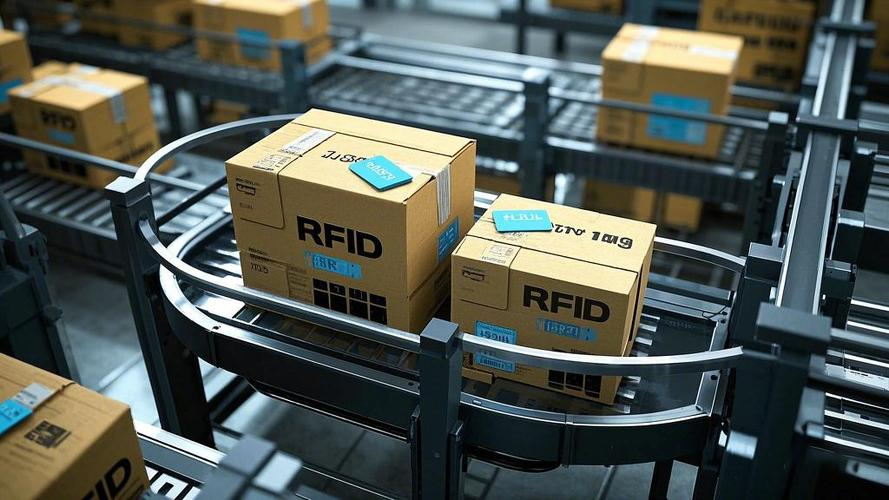
مبانی UHF RFID: اصول فیزیکی، عملکرد و انطباق آن با زنجیره تأمین
چگونه جفتشدن الکترومغناطیسی امکان خواندن انبوه با برد بلند و سرعت بالا را فراهم میکند؟
سیستمهای UHF RFID در محدوده فرکانسی ۸۶۰ تا ۹۶۰ مگاهرتز کار میکنند و برای خواندن از فاصلههای طولانی و با سرعت بالا، به جای القای الکترومغناطیسی از امواج الکترومغناطیسی استفاده میکنند. این سیستمها با فناوریهای HF یا NFC تفاوت دارند، زیرا امواج آنها واقعاً از سطوح فلزی بازتاب میشوند و میتوانند از موادی مانند جعبههای کارتنی، ظروف پلاستیکی و بستهبندیهای پارچهای عبور کنند. این امر به معنای آن است که انبارها میتوانند صدها برچسب را همزمان و از فاصلهای حدود ۱۵ متری بخوانند. نحوه عملکرد این سیگنالها نیز بسیار شگفتانگیز است. اپراتورهای ماشینهای لیفتراک دیگر نیازی به توقف در هنگام اسکن پالتها ندارند، زیرا خواننده RFID اطلاعات را حتی از پشت درهای انبار و در حال عبور از کنار آنها با سرعتی حدود ۲۰ متر بر ثانیه نیز دریافت میکند. دیگر نیازی به انجام اسکنهایی با نیاز به دید مستقیم (line of sight) و با دشواری نیست. در محیطهای پرسرعت مانند مناطق ترانزیت سریع (cross docking)، شرکتها گزارش دادهاند که با استفاده از سیستمهای UHF RFID تقریباً شمارش کامل و بدون خطا از موجودی را تجربه کردهاند. بارکدهای سنتی قادر به رقابت با این سیستم نیستند، زیرا به راحتی در اثر زوایای نادرست، آسیب فیزیکی یا حتی پوشیده شدن تصادفی در قسمتی از محصول دچار اختلال میشوند.
چرا RFID فرکانس فوق العاده بالا (UHF) در محدوده ۸۶۰–۹۶۰ مگاهرتز از RFID فرکانس بالا (HF) و NFC از نظر برد، نرخ انتقال داده و مقیاسپذیری عملکرد بهتری دارد
RFID فرکانس فوق العاده بالا (UHF) تنها فناوری RFID است که برای زنجیره تأمین سطح سازمانی طراحی شده است و از نظر برد، سرعت و مقیاسپذیری عملکردی بهتر از RFID فرکانس بالا (HF) (۱۳٫۵۶ مگاهرتز) و NFC دارد:
| شاخص عملکرد | RFID فرکانس فوق العاده بالا (UHF) (۸۶۰–۹۶۰ مگاهرتز) | HF/NFC |
|---|---|---|
| بیشترین برد خواندن | تا ۱۵ متر | تا ۱ متر |
| تعداد تگهای خواندهشده در هر ثانیه | 1,000+ | 10–50 |
| سرعت انتقال داده | تا ۶۴۰ کیلوبیت در ثانیه | تا ۲۶ کیلوبیت در ثانیه |
این تفاوتها مستقیماً در عملکرد تأثیر میگذارند:
- یک دروازهٔ UHF تنها، تعداد اقلامی را نظارت میکند که بیش از ۵۰ برابر تعداد اقلام نظارتشده توسط یک سیستم معادل HF است.
- مراکز توزیع گزارش دادهاند که چرخههای بارگیری کامیونها سه برابر سریعتر شدهاند.
- هزینهٔ نیروی کار به ازای هر قلم اسکنشده نسبت به فرآیندهای مبتنی بر HF، ۹۰ درصد کاهش یافته است.
معیارهای صنعتی تأیید میکنند که سیستمهای UHF در درهای بارگیری و تخلیه، اقلام را ۲۰ برابر سریعتر از سیستمهای HF پردازش میکنند؛ بنابراین این سیستمها به استاندارد عمومی برای دیدگاه زنجیرهٔ تأمین در مقیاس بزرگ و در زمان واقعی تبدیل شدهاند.
دیدگاه زنجیرهٔ تأمین در زمان واقعی: از دقت موجودی تا هوش پایانبهپایان
شواهد موردی: الزام RFID با فرکانس UHF در والمارت — کاهش ۱۶ درصدی قطعی موجودی و افزایش دسترسپذیری محصولات روی قفسهها
وقتی وال مارت در روزها، نیاز به RFID UHF را در سراسر شرکت خود اجرا کرد، از تامین کنندگان خواست تا برچسب ها را در هر دو مورد و پالت قرار دهند، آنها در واقع نتایج خوبی برای خط پایین خود را مشاهده کردند. کمبود مخزون حدود 16 درصد کاهش یافت و قفسه ها به طور کلی بهتر ذخیره شدند. سیستم RFID در حال حاضر بیش از یک میلیارد محصول برچسب شده را در هر سال در سراسر سیستم توزیع گسترده وال مارت ردیابی می کند. تغییر از آن اسکن های بارکد قدیمی به خواندن UHF بزرگ نیز تفاوت بزرگی ایجاد کرد. دقت موجودی تا 99 درصد افزایش یافت، کارگران 30 درصد کمتر وقت خود را صرف کارهای موجودی کردند، و وقتی که همه چیز کم شد، فقط نیمی از مدت زمان قبل را داشت. این سیستم خودکار وجود دارد که هر وقت موجودی زیر سطوح خاصی می افتد، فعال می شود، و داشتن دید در زمان واقعی به این معنی است که فروشگاه ها می توانند به سرعت کالاها را بین مراکز منتقل کنند، وقتی مشکلی وجود دارد، که باعث می شود تاخیر از بدتر شدن جلوگیری شود. آخرین گزارش خرده فروشی GS1 از سال 2024 می گوید که تمام این پیشرفت ها به افزایش فروش هر سال در هر محل فروشگاه حدود 3.1 میلیون دلار کمک کرده است.
همگرایی استراتژیک: RFID فرکانس فوقالعاده بالا + ERP ابری + لجستیک دوقلوی دیجیتال
فناوری RFID فرکانس فوقالعاده بالا (UHF RFID) پایهای برای مدیریت زنجیره تأمین هوشمند تشکیل میدهد، بهویژه زمانی که با سیستمهای ERP مبتنی بر ابر و فناوری دوقلوی دیجیتال ادغام شود. خوانندههای RFID بهطور مداوم محل حرکت اشیا، رویدادهای رخداده در هر مرحله و سایر اطلاعات مربوطه را ردیابی کرده و این دادهها را مستقیماً به نرمافزار برنامهریزی منابع سازمانی (ERP) ارسال میکنند. در همین حال، دوقلوهای دیجیتال این بهروزرسانیهای لحظهای را دریافت کرده و شبیهسازیهایی انجام میدهند تا تصمیمگیریهای بهتری درباره نحوه جابهجایی کالاها در انبارها و مراکز توزیع امکانپذیر شود. هنگامی که این فناوریها بهصورت هماهنگ عمل میکنند، مزایای قابلتوجهی برای شرکتها در جهت سادهسازی فرآیندها و کاهش ضایعات در سراسر شبکه لجستیکی آنها ایجاد میکنند.
- تغییر مسیر پیشبینیشده در شرایط ازدحام بندری یا تأخیرهای ناشی از شرایط آبوهوایی، با استفاده از ردیابی ظرفها در محدودههای جغرافیایی تعیینشده (Geofencing)
- چیدمان پویای انبار که بهطور مداوم ذخیرهسازی را بر اساس سیگنالهای تقاضای لحظهای حاصل از سفارشهای برداشتشده با RFID بهینهسازی میکند
- حسابداری تأییدشده کربن، با برنامهریزی بار و انتشارات حملونقل که از طریق زمانبندیهای اسکن RFID و دادههای تلهمتری مسیر تأیید شدهاند
تولیدکنندگانی که این پشته یکپارچه را به کار میبرند، گزارش دادهاند که چرخههای تصمیمگیری آنها ۲۳٪ سریعتر و هزینههای حملونقل اضطراری آنها ۱۷٪ کاهش یافته است. مهمتر از همه، وفاداری شبیهسازی دوقلوی دیجیتال با گذشت زمان بهبود مییابد، زیرا RFID فرکانس فوق بالا (UHF) اعتبارسنجی مستمر و مبتنی بر واقعیت زمینی از وضعیت محموله، شرایط آن و عملکرد در مسیر را فراهم میکند.
بازده عملیاتی سرمایهگذاری (ROI): خودکارسازی جریانهای کار انبار و لجستیک با RFID فرکانس فوق بالا (UHF)
مزایای اثباتشده: ۸۵٪ سریعتر شدن فرآیندهای دریافت کالا، قراردادن کالا در انبار، برداشت کالا و شمارش دورهای (بر اساس دادههای GS1)
RFID فرکانس فوق بالا (UHF) با خودکارسازی فرآیندهای اصلی انبار، بازده سرمایهگذاری (ROI) سریع و قابلاندازهگیری ایجاد میکند و وظایفی که سنتاً نیازمند نیروی کار زیاد و مستعد خطاست را به فرآیندهایی تقریباً لحظهای و بسیار دقیق تبدیل میکند. بر اساس مطالعه جهانی مقایسهای GS1 در سال ۲۰۲۳، مراکزی که از RFID فرکانس فوق بالا (UHF) استفاده میکنند، در مقایسه با روشهای مبتنی بر بارکد، ۸۵٪ سریعتر در انجام فرآیندهای دریافت کالا، قراردادن کالا در انبار، برداشت کالا و شمارش دورهای عمل میکنند. نتایج کلیدی شامل موارد زیر است:
- عملیات دریافت/پهلوگیری : شناسایی سطح پالت بدون نیاز به دید مستقیم، زمان پردازش را از چند ساعت به چند دقیقه کاهش میدهد
- دقت قراردهی کالا در انبار : ردیابی موقعیت در زمان واقعی، میزان کالاهای جابهجا شده را تا ۹۹٪ کاهش میدهد
- شمارش دورهای موجودی : دیدار دائمی به موجودی، نیاز به شمارش فیزیکی موجودی را حذف میکند و بیش از ۳۰٪ از ساعات کاری نیروی انسانی که قبلاً صرف بازرسیها میشد را آزاد میسازد
- انتخاب سفارشها : آنتنهای جهتدار کارگران را به دقیقترین SKUها هدایت میکنند و سرعت تکمیل سفارش را ۳— برابر افزایش میدهند
این کارایی ناشی از توانایی RFID فرکانس فوق بالا (UHF) در خواندن بیش از ۱۰۰۰ برچسب در ثانیه است — صرفنظر از جهتگیری یا بستهبندی — که امکان اسکن انبوه واقعی را فراهم میسازد؛ امری که با RFID فرکانس بالا (HF) یا NFC غیرممکن است. نتیجه این است که دقت موجودی به ۹۹٫۵٪ میرسد (Industry4Biz، ۲۰۲۳)، وابستگی به نیروی انسانی کاهش مییابد و بازگشت سرمایه معمولاً در مدت کمتر از ۱۲ ماه برای ارائهدهندگان خدمات لجستیک با مقیاس متوسط تا بزرگ حاصل میشود.
سوالات متداول
محدوده خواندن معمولی سیستمهای RFID فرکانس فوق بالا (UHF) چقدر است؟
سیستمهای UHF RFID میتوانند برچسبها را از فاصلهای تا ۱۵ متری بخوانند.
UHF RFID چگونه دقت شمارش موجودی را بهبود میبخشد؟
UHF RFID امکان خواندن انبوه را فراهم میکند که با آن میتوان صدها برچسب را بهصورت همزمان و سریع اسکن کرد و این امر منجر به شمارش موجودی تقریباً کامل میشود.
والتمارت پس از اجرای UHF RFID چه تأثیری مشاهده کرد؟
والتمارت گزارش داد که پس از اجرای این سیستم، کمبود موجودی ۱۶ درصد کاهش یافته، در دسترسبودن کالا روی قفسهها بهبود یافته و فروش بهطور قابلتوجهی در اثر مدیریت بهبودیافته موجودی افزایش یافته است.