
 EN
EN
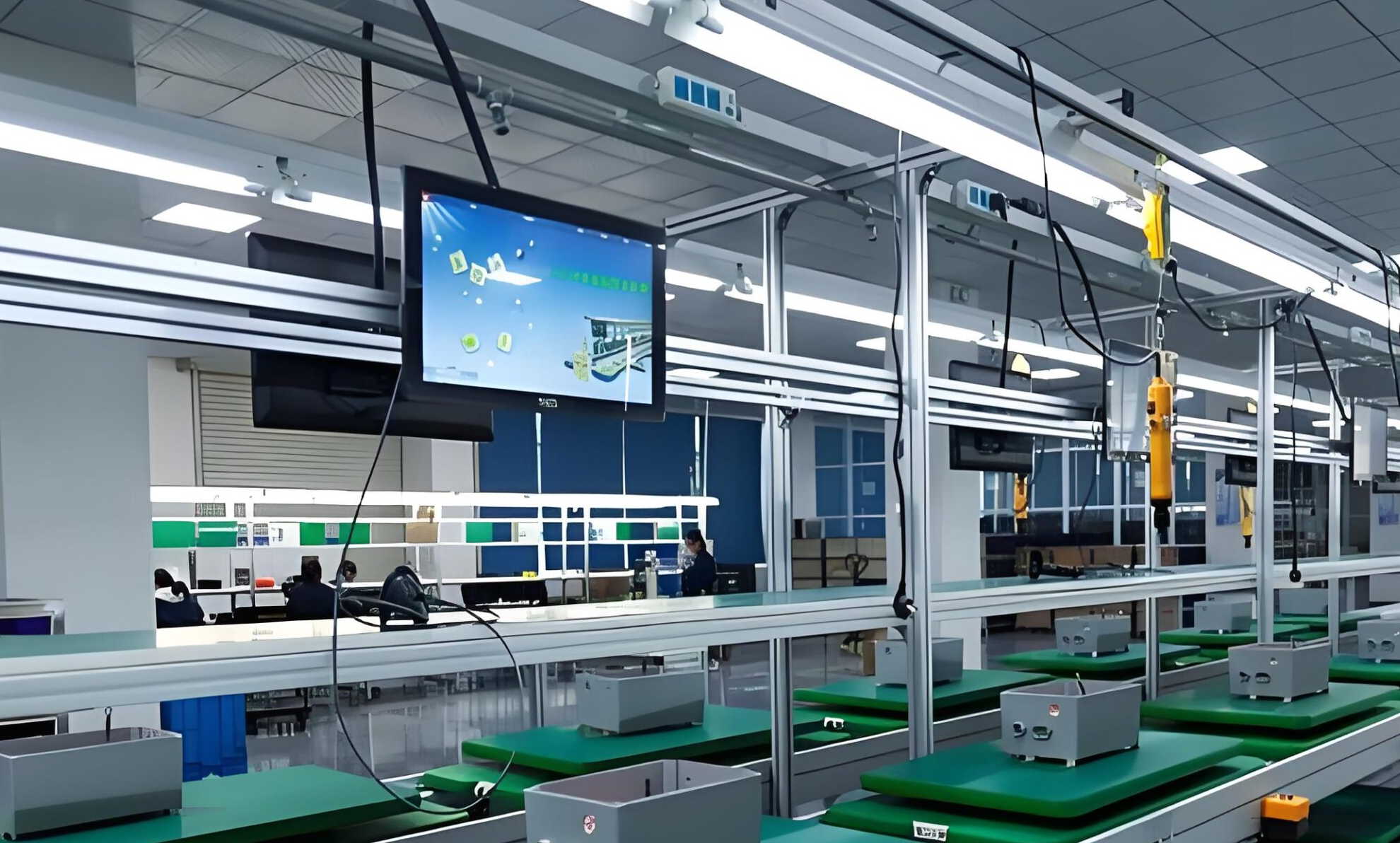
التطبيقات الأساسية للحواسيب الصناعية في التصنيع الذكي
التحكم في الآلات ودمج الروبوتات في خطوط الإنتاج عالية السرعة
توفر أجهزة الحاسوب الصناعية نوع المعالجة الفورية المطلوبة للحفاظ على عمل الذراعات الروبوتية، وخطوط النقل، ووحدات التحكم في الحركة معًا بسلاسة على خطوط الإنتاج سريعة الحركة. وتستقبل هذه الأنظمة البيانات من أجهزة الاستشعار المتصلة بأجهزة التحكم المنطقي القابلة للبرمجة (PLCs)، وتجري تعديلات فورية تقريبًا على إعدادات العزم ومسارات الحركة. ويساعد ذلك في تقليل تلك اللحظات الصغيرة التي تتوقف فيها الآلات أو تتباطأ، مما يُحدث فرقًا كبيرًا في كفاءة إنتاج المنتجات. ونحن نتحدث هنا عن مصانع السيارات ومصانع مكونات الإلكترونيات، حيث تكتسب السرعة أهمية قصوى. وغالبًا ما تشهد المصانع التي طبَّقت هذه الأنظمة المتقدمة لمراقبة الجودة زيادةً في إنتاجها تبلغ نحو ١٥٪ مقارنةً بالأنظمة القديمة.
الفحص البصري الآلي وجمع بيانات أجهزة الاستشعار في الوقت الفعلي لضمان الجودة
يمكن لأنظمة الرؤية الحاسوبية الصناعية معالجة آلاف القطع كل ساعة من خلال التصوير عالي الدقة المدمج مع الذكاء الاصطناعي لاكتشاف العيوب. وتتمكّن هذه الأنظمة من اكتشاف العيوب الدقيقة جدًّا التي لا تتجاوز أجزاء من المليمتر في أشياء مثل تغليف الأدوية أو الشرائح السيليكونية المستخدمة في تصنيع الإلكترونيات. وفي الوقت نفسه، تقوم هذه الأنظمة الذكية بجمع معلوماتٍ عن التغيرات في درجات الحرارة، والاهتزازات الآلية، ومستويات الضغط من مختلف أجهزة الاستشعار الموزَّعة على خطوط الإنتاج. وعندما تبدأ المواد في التصرُّف بشكل مختلف أثناء المعالجة، تقوم النظام تلقائيًّا بتعديل الإعدادات على آلات الحقن بالبلاستيك دون تدخل بشري. ويُبلغ المصنعون عن تحسُّنٍ في خفض الهدر يتراوح بين ١٨٪ و٢٥٪ حسب طبيعة عملياتهم الخاصة. ويتم تخزين جميع هذه البيانات في مستودعات مركزية، مما يمكِّن الشركات من تتبع كل شيء لاحقًا عند الحاجة إما لأغراض ضبط الجودة أو للامتثال لمتطلبات الجهات التنظيمية.
الميزات التصميمية المتينة التي تُعرِّف الحاسوب الصناعي
تتفوق أجهزة الحاسوب الصناعية في البيئات التي تفشل فيها أجهزة الكمبيوتر القياسية، وذلك بفضل التصميم المتين المخصص لها الذي يستند إلى ثلاثة مبادئ أساسية: مرونة درجة الحرارة , الختم البيئي ، و التحمل البدني .
البناء الخالي من المراوح، والتشغيل ضمن نطاق واسع من درجات الحرارة (من -40°م إلى 75°م)، وحماية بيئية وفق معياري IP65/IP67
إن غياب المراوح يعني أن التبريد السلبي يتخلص من جميع تلك الأجزاء المتحركة التي تتراكم عليها الغبار، أو تبتل بسبب الرطوبة، أو تتعطل ميكانيكيًّا مع مرور الوقت. ويسمح هذا التصميم للمعدات بالعمل بموثوقيةٍ عالية حتى في حال تقلُّب درجات الحرارة بين سالب ٤٠ درجة مئوية و٧٥ درجة مئوية حارقة. كما أن المحاريب المصنَّفة وفق معيار IP65 وIP67 تقاوم تدفُّق المياه القوي تمامًا وتمنع دخول جزيئات الغبار بشكلٍ كامل، ما يجعل هذه الأنظمة تعمل بكفاءة عالية في أماكن مثل مصانع تجهيز اللحوم، أو التثبيتات الخارجية المعرَّضة للأمطار، أو أي مكانٍ يتطلَّب تنظيفًا منتظمًا باستخدام خراطيم ذات ضغط عالٍ. وبفضل تركيب المكوِّنات مع امتصاص الصدمات، يمكنها تحمل الاهتزازات الشديدة التي تتجاوز قوة ٥٠ جي، لذا تستمر أجهزة الحاسوب الصناعية في العمل بسلاسةٍ تامةٍ بجانب الآلات الكبيرة مثل آلات الختم أو خلاطات الخرسانة دون أن تفوتها أي وظيفة.
منافذ إدخال وإخراج صناعية المستوى: موصلات M12، ومدخل طاقة تيار مستمر، والتوافق مع وحدات التحكم المنطقية المبرمجة (PLC) والروبوتات
تُشكِّل الوصلات القوية الجسر بين المعدات الآلية وأنظمة الحاسوب في البيئات الصناعية. فبالفعل، تثبت منافذ إيثرنت ذات قفل المسمار M12 مكانتها بثبات عندما تزداد الاهتزازات في المناطق الخاضعة لاهتزازات شديدة. علاوةً على ذلك، فإن مدى الإدخال الواسع للطاقة الكهربائية المستمرة (DC) الذي يتراوح بين ٩ و٣٦ فولت يعني أن هذه الأجهزة قادرة على التكيُّف مع الظروف الكهربائية غير المتوقعة التي تظهر غالبًا في مصانع التصنيع. أما فيما يتعلَّق ببروتوكولات الاتصال، فإن الدعم الأصلي لبروتوكولات Modbus وCAN bus وEtherCAT يجعل عملية الاتصال بأجهزة التحكم المنطقي القابل للبرمجة (PLCs) وأنظمة الروبوتات مباشرةً وبلا مشاكل في الإشارات. ويُعد هذا النوع من الاتصالات الموثوقة ضروريًّا تمامًا للآلات التي تتطلب توقيتًا دقيقًا وتنسقًا بين أجزاء مختلفة من خط الإنتاج.
تمكين التحكم الفوري والاتصال بالإنترنت الصناعي للأشياء (IIoT) باستخدام حاسوب صناعي
تُشكّل أجهزة الحاسوب الصناعية جسرًا بين أنظمة التشغيل (OT) وأنظمة تكنولوجيا المعلومات (IT) من خلال بنية مُصمَّمة لتحمل الظروف القاسية، وتتمكّن من معالجة البيانات بدقة تصل إلى الميكروثانية — وهي ميزة بالغة الأهمية في التطبيقات الحساسة للزمن مثل تشغيل ماكينات التحكم العددي الحاسوبي (CNC) والتحكم في الحركة عالية السرعة، حيث تؤدي أي تأخيرات إلى عيوب مكلفة.
أداءٌ قابلٌ للتنبؤ في أنظمة التحكم العددي الحاسوبي (CNC) والتحكم في الحركة والصيانة التنبؤية القائمة على الحافة
أجهزة الكمبيوتر الصناعية تقدم شيئاً لا يمكن لأجهزة المستهلك أن تُطابقه عندما يتعلق الأمر بالدقة. إنهم يتعاملون مع حلقات التحكم الخدمي في الذراعين الروبوتية وآلات التطويق مع أوقات دورة أقل من 20 ميكرو ثانية. هذا النوع من المعالجة في الوقت الحقيقي يجعل الصيانة التنبؤية القائمة على الحافة ممكنة. عندما تحلل هذه الأنظمة الاهتزازات وتغيرات درجة الحرارة والتيارات المحركية محلياً، فإنها تكتشف المشاكل مثل العوارض المتآكلة أو مشاكل التواء قبل أن تسبب فشلًا كبيرًا. ووفقاً للبحث الذي أجراه معهد بونيمون في عام 2023، يمكن أن تكون نافذة الكشف المبكر هذه أطول من ثلاثة أيام قبل الانهيارات الفعلية. التأثير؟ وتبلغ المنشآت عن انخفاض بنسبة 45% في حالات الإغلاق غير المتوقع. لنقل كل هذه المعلومات الصحية القيمة للمعدات بأمان عبر الشبكات، تقوم بروتوكولات IIoT المشفرة مثل OPC UA و MQTT بالعمل بشكل جيد في معظم الأحيان، على الرغم من أن تحديات التوافق المحتملة لا تزال تظهر بين أنظمة الشركات المص
أدوار أجهزة الحاسوب الصناعية في أنظمة الإشراف والتحكم (SCADA) وواجهات التشغيل والرصد (HMI) والرصد الموزَّع للأصول
الحواسيب الصناعية هي في الأساس ما يُبقي أنظمة التحكم الإشرافي وال сбор البيانات (SCADA) تعمل يومًا بعد يوم، مما يمكّن الشركات من رصد وإدارة الأصول الموزَّعة في جميع أنحاء الخريطة، سواءً كانت خطوط أنابيب النفط الممتدة عبر الصحارى أو محطات التحويل عالية التقنية التي تزود مدننا بالطاقة. وتتلقى هذه الأجهزة بيانات حيّة من أجهزة الاستشعار المتصلة بوحدات الطرف البعيد (RTUs)، وتكتشف متى يحدث خللٌ ما، وتنطلق الإنذارات عند الحاجة، وتنفّذ خوارزميات الصيانة التنبؤية التي تساعد في الحفاظ على التشغيل السلس لمواقع متعددة. وفي الموقع نفسه، تعمل نفس العتاد على برامج واجهات المستخدم الرسومية (HMI) أيضًا، مما يوفّر للمُشغلين شاشات سهلة الاستخدام يمكنهم من خلالها رؤية ما يحدث والتدخل يدويًّا عند الضرورة. وحقيقة أن هذه الحواسيب تؤدي وظائف أنظمة SCADA وواجهات HMI معًا تعني تحسُّنًا في التواصل بين الإدارة التي تنظر إلى الأمور من زاوية استراتيجية شاملة والعاملين الذين يتعاملون مع المشكلات الفورية في الموقع. وهذا أمرٌ في غاية الأهمية بالنسبة لشبكات الكهرباء ومحطات معالجة المياه، حيث تتطلّب المشكلات حلًّا سريعًا. ولا ننسَ بالطبع البيانات التاريخية التي تجمعها هذه الأنظمة على مر الزمن، والتي تساعد المهندسين في اتخاذ قرارات أكثر ذكاءً بشأن كيفية إطالة عمر المعدات قبل حدوث الأعطال.
الأسئلة الشائعة
ما دور أجهزة الحاسوب الصناعية في التصنيع الذكي؟
توفر أجهزة الحاسوب الصناعية معالجةً وتحكُّمًا في الوقت الفعلي، وتدمج الروبوتات والتشغيل الآلي، وتسهِّل عمليات التفتيش البصري الآلي، وتجمع بيانات المستشعرات في الوقت الفعلي. وهذا يرفع من كفاءة الإنتاج، ويحسِّن ضمان الجودة، ويزيد من موثوقية التشغيل.
كيف تضمن أجهزة الحاسوب الصناعية الموثوقية في البيئات القاسية؟
صمِّمت أجهزة الحاسوب الصناعية بمزايا مثل البناء الخالي من المراوح، والتشغيل ضمن نطاق واسع من درجات الحرارة، والحماية البيئية وفق معايير IP65/IP67، وامتصاص الصدمات، مما يضمن تشغيلها الموثوق في ظروف درجات الحرارة القصوى، أو البيئات الغبارية أو الرطبة، أو البيئات عالية الاهتزاز.
ما المزايا التي توفرها أجهزة الحاسوب الصناعية للصيانة التنبؤية؟
يمكن لأجهزة الحواسيب الصناعية المزودة بقدرات متقدمة في معالجة البيانات أن تقوم بصيانة تنبؤية قائمة على الحافة من خلال تحليل البيانات المحلية مثل الاهتزازات أو التغيرات في درجة الحرارة، لاكتشاف المشكلات مثل اهتراء المحامل مُسبقًا، وبالتالي خفض حالات التوقف غير المخطط لها بنسبة تصل إلى ٤٥٪ تقريبًا.
صف إمكانيات الاتصال الخاصة بالحواسيب الصناعية في بيئات التصنيع.
تشمل أجهزة الحواسيب الصناعية ميزات إدخال/إخراج صناعية مثل موصلات M12 والدعم الأصلي لبروتوكولات مثل Modbus وCAN bus وEtherCAT، مما يوفّر اتصالاً قويًّا وموثوقًا به لأنظمة وحدات التحكم المنطقية (PLCs) وأنظمة الروبوتات، وهو ما يُعد ضروريًّا لتحقيق التنسيق الدقيق بين الآلات.
كيف تسهم أجهزة الحواسيب الصناعية في أنظمة التحكم الإشرافي والرصد (SCADA) وواجهات المستخدم الرسومية (HMI)؟
تدير أجهزة الحواسيب الصناعية أنظمة التحكم الإشرافي والرصد (SCADA) من خلال رصد الأصول الموزَّعة على نطاق واسع والتحكم فيها، وتضمن الإدارة الفورية عبر تشغيل واجهات المستخدم الرسومية (HMI)، ما يعزِّز التواصل بين مختلف المستويات التشغيلية لتسريع حل المشكلات.
جدول المحتويات
- التطبيقات الأساسية للحواسيب الصناعية في التصنيع الذكي
- الميزات التصميمية المتينة التي تُعرِّف الحاسوب الصناعي
- تمكين التحكم الفوري والاتصال بالإنترنت الصناعي للأشياء (IIoT) باستخدام حاسوب صناعي
- أدوار أجهزة الحاسوب الصناعية في أنظمة الإشراف والتحكم (SCADA) وواجهات التشغيل والرصد (HMI) والرصد الموزَّع للأصول
-
الأسئلة الشائعة
- ما دور أجهزة الحاسوب الصناعية في التصنيع الذكي؟
- كيف تضمن أجهزة الحاسوب الصناعية الموثوقية في البيئات القاسية؟
- ما المزايا التي توفرها أجهزة الحاسوب الصناعية للصيانة التنبؤية؟
- صف إمكانيات الاتصال الخاصة بالحواسيب الصناعية في بيئات التصنيع.
- كيف تسهم أجهزة الحواسيب الصناعية في أنظمة التحكم الإشرافي والرصد (SCADA) وواجهات المستخدم الرسومية (HMI)؟